Israeli army extends Hebron siege into second day
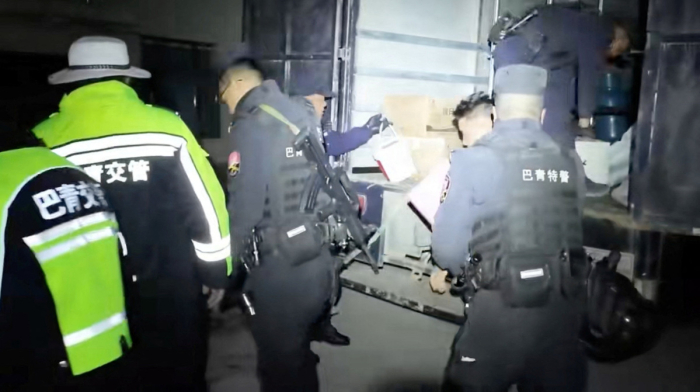
Israeli forces have maintained a tight closure on Hebron in the occupied West Bank for a second day, with Palestinian media reporting home raids, m...
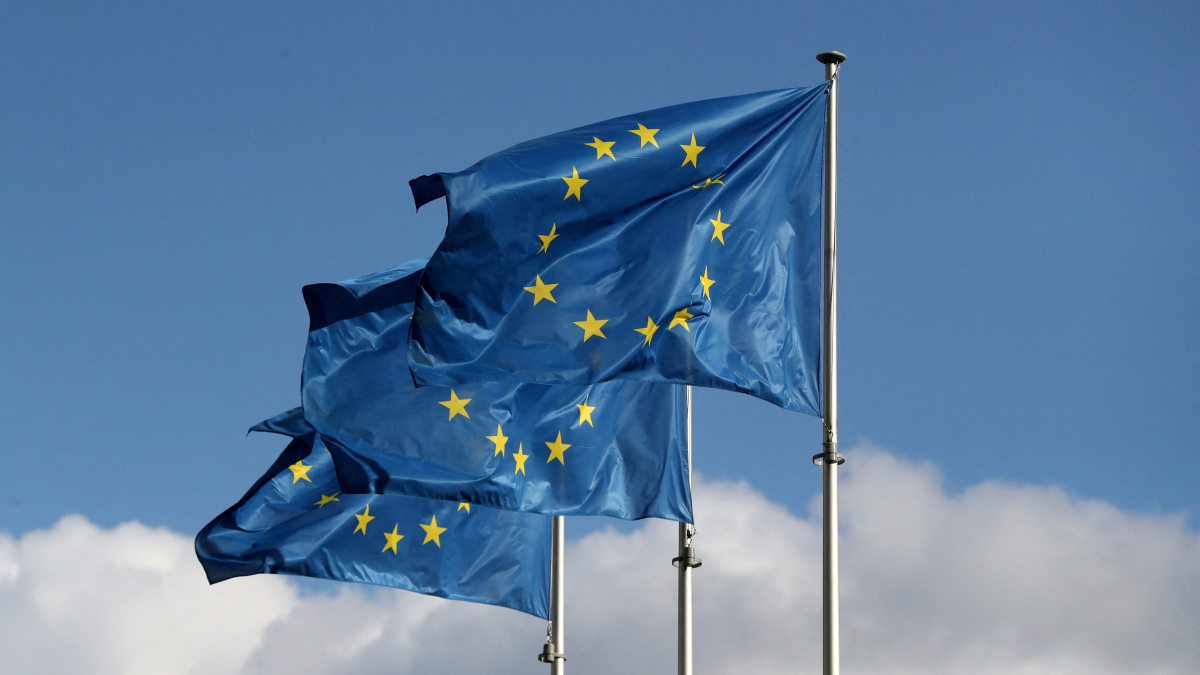
European Union ministers will urge senior U.S. trade officials to implement more elements of the July EU–U.S. trade deal on Monday, including cutting tariffs on EU steel and lifting duties on goods such as wine and spirits.
U.S. Commerce Secretary Howard Lutnick and U.S. Trade Representative Jamieson Greer are in Brussels for their first meetings with EU trade ministers since taking office.
The officials will join the ministers for a 90-minute working lunch focused on key transatlantic trade issues, including Chinese export restrictions on rare earths and semiconductors.
Under the end-July agreement, the United States set 15% tariffs on most EU goods, while the European Union committed to removing many of its duties on U.S. imports.
That process may not be completed until March or April, pending approval from the European Parliament and EU governments, a delay that EU diplomats say has frustrated Washington.
While Brussels insists implementation is on track, the bloc is also pressing the U.S. to advance on agreed areas, particularly steel and aluminium.
The United States currently applies a 50% tariff on the metals, and since mid-August has extended the duty to the metal content of 407 derivative products, including motorcycles and refrigerators. More items could be added next month.
EU diplomats warn that these actions, along with the prospect of new U.S. tariffs on trucks, critical minerals, planes and wind turbines, risk undermining the July deal.
“We’re at a delicate moment,” one diplomat said.
“The U.S. is looking for reasons to criticise the EU as we are trying to get them to work on steel and other unresolved matters.”
Brussels also wants a wider range of its products returned to low pre-Trump tariff levels, including wine, spirits, olives and pasta.
The bloc says it is ready to discuss broader regulatory cooperation in areas such as automotive standards, EU purchases of U.S. energy, and joint efforts on economic security in response to Chinese export controls.
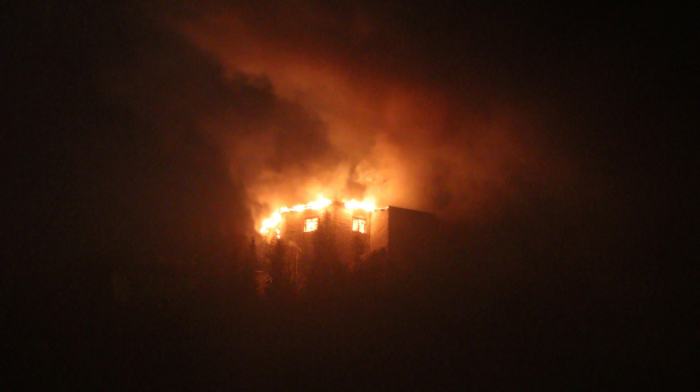
Israeli military bulldozers have begun demolishing buildings in the West Bank city of Hebron on Friday, 23 October, following armed clashes with Palestinians that left two Israeli soldiers dead, according to the Israeli military.
Around 11,000 people joined a demonstration in Orléans on Saturday against the National Rally congress, according to the local prefecture.
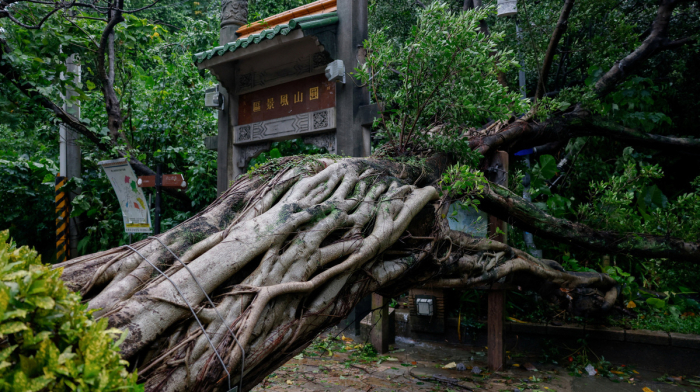
Typhoon Champi swept past Taiwan on Saturday, leaving one person dead and more than 500 injured as strong winds and torrential rain brought down trees, cut power and disrupted transport across the island.
A powerful magnitude 7 earthquake has struck Tibet in southwestern China, killing 16 people and injuring 65, while forcing more than 12,000 residents to relocate as rescue teams respond to widespread aftershocks.
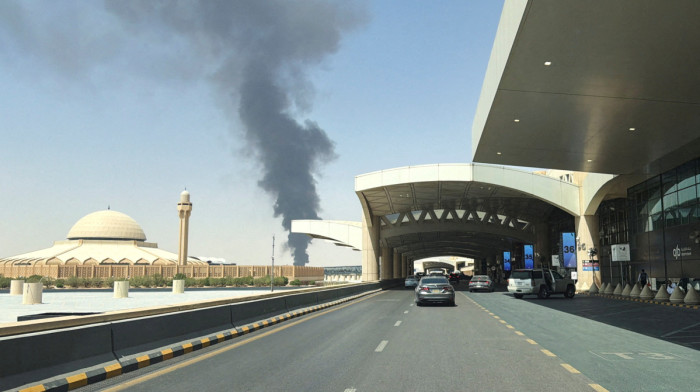
Missile and drone attacks have put Saudi Arabia on high alert, disrupting life in Riyadh and testing a new defence pact with Türkiye and Pakistan as regional tensions escalate.
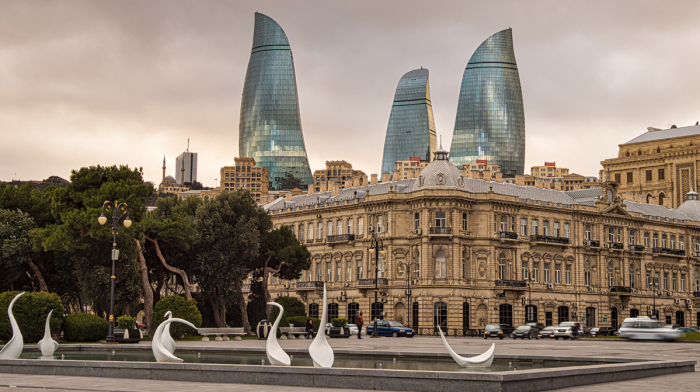
Azerbaijan's economy is forecast to grow by 1.7 per cent in 2026 and 2.3 per cent in 2027, according to the International Monetary Fund (IMF), while growth across the wider Caucasus and Central Asia region is expected to slow.
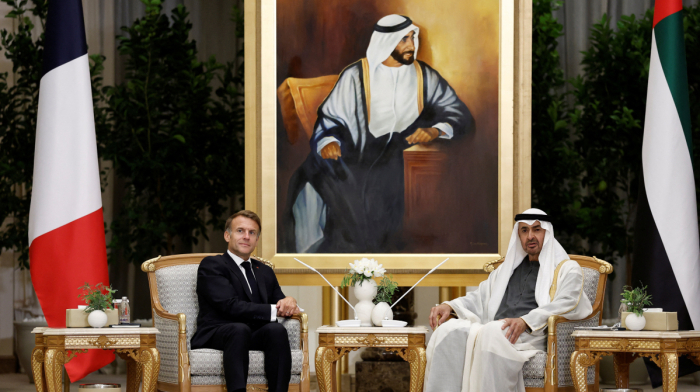
As fuel prices surge nearly 37 per cent and protests over living costs turn violent, French President Emmanuel Macron is seeking fresh energy supplies and partnerships in the Gulf. But can diplomacy abroad ease mounting pressure at home?
Azerbaijan and Georgia are targeting more than $2 billion in bilateral trade as the neighbouring countries strengthen energy partnerships, expand transport links and pursue new investment opportunities.
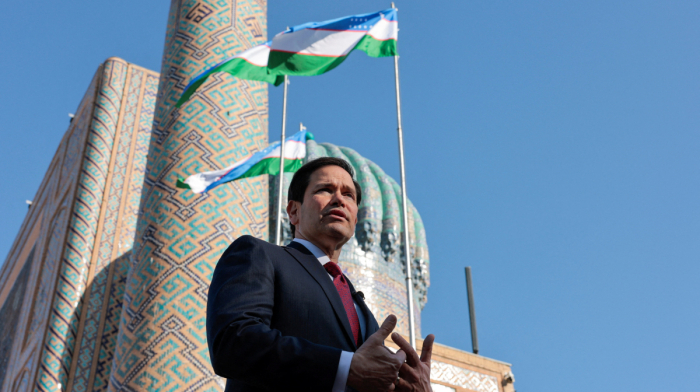
More than 200 U.S. business leaders have joined Secretary of State Marco Rubio in Uzbekistan as Washington steps up efforts to turn closer diplomatic ties with Central Asia into trade and investment deals.
Thirty-five years after restoring independence, Azerbaijan's economy has more than tripled in real terms. Official data reveal how investment, manufacturing, private enterprise and digital development have reshaped the country's economic landscape.
You can download the AnewZ application from Play Store and the App Store.
What is your opinion on this topic?
Leave the first comment