Start your day informed with AnewZ Morning Brief: here are the top news stories for the 7th of January, covering the latest developments you need to know.
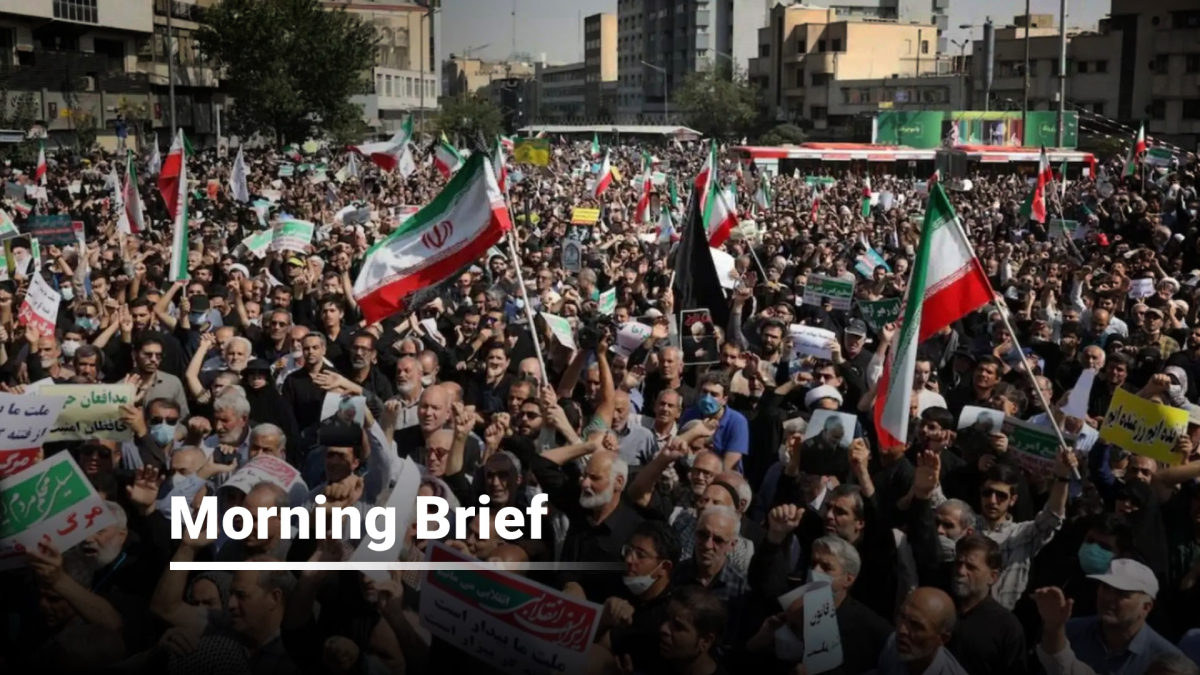
Iran unrest intensifies as protests spread nationwide
Nationwide protests in Iran have continued with crowds returning to the streets during daylight hours and moving into major economic hubs. Security forces have deployed tear gas and live ammunition to disperse demonstrators, and reports suggest Iranian-backed Iraqi militias are assisting in the crackdown. Human rights organisations have raised alarms over increasing casualties and detentions, while the country continues to downplay the scale of the movement which now includes direct calls for political change and leadership transition.
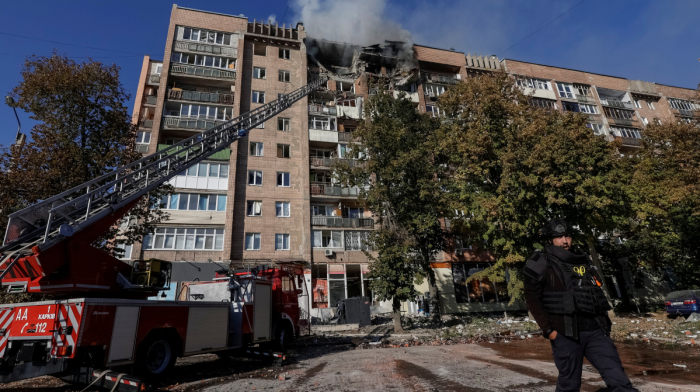
West nears agreement on security guarantees for Ukraine
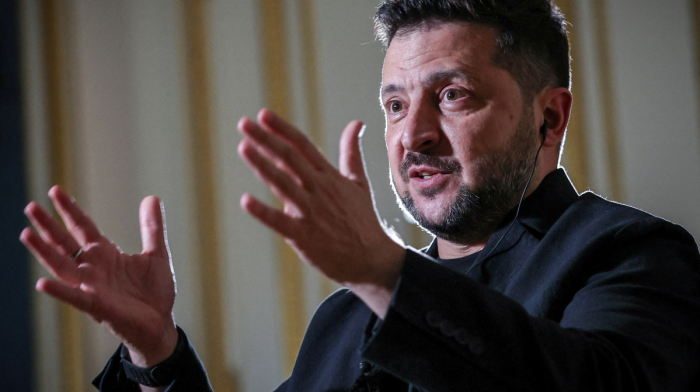
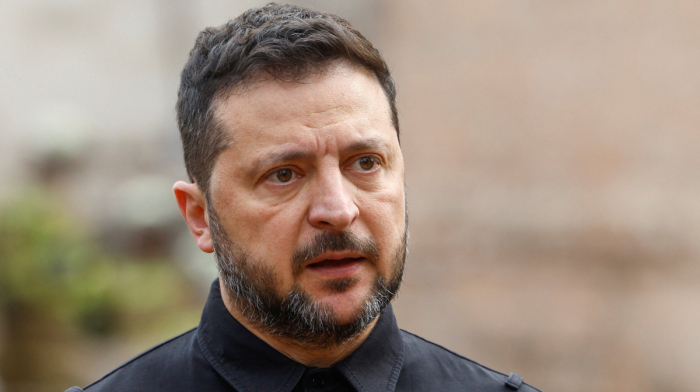
Leaders from the U.S. and Europe have moved closer to finalising a legally binding security package for Ukraine, which includes a high-tech ceasefire monitoring system and a multinational force led by France and the UK. The guarantees are modelled on NATO’s Article 5 to provide long-term defence assistance and deter future Russian aggression, though the deployment would operate away from the contact line. While President Zelenskyy welcomed the initiative as a major step forward, the agreement still faces significant hurdles regarding ratification by Western parliaments and the U.S. Congress.
White House confirms Trump exploring Greenland acquisition
The White House has confirmed that President Donald Trump is actively exploring options to acquire Greenland, viewing the resource-rich Arctic island as a vital national security priority to deter adversaries such as Russia and China. Despite adamant rejections of the idea from NATO and Danish leaders, U.S. officials indicate that the administration is considering various strategies, ranging from an outright purchase to a Compact of Free Association. While diplomacy remains the preferred route, the White House noted that the use of military options remains theoretically available, underscoring the President’s determination to secure a deal.
Georgian Speaker questions EU’s geopolitical influence
Tensions between Tbilisi and Brussels have deepened after the speaker of Georgia’s parliament, Shalva Papuashvili, publicly questioned the European Union’s ability to function as a global geopolitical guarantor. Citing recent international events, Papuashvili argued that the bloc has lost its capacity to uphold the global order and accused it of applying undue pressure on Georgia regarding democratic reforms and visa policies. Despite the sharp rhetoric, the government maintains that its strategic priorities remain the restoration of territorial integrity and the well-being of the Georgian people.
Strong earthquake strikes off southern Philippines
A magnitude 6.7 earthquake has struck off the coast of Mindanao in the southern Philippines, prompting residents to flee buildings but causing no immediate reports of casualties or major structural damage. Seismologists confirmed that the tremors occurred at a significant depth, which effectively ruled out the threat of a destructive tsunami hitting the region. Authorities in the archipelago, which sits on the seismically active Pacific "Ring of Fire", have advised the public to remain vigilant for potential aftershocks.











What is your opinion on this topic?
Leave the first comment