IBM warns AI spending shift is hitting core business
IBM has warned that a surge in spending on artificial intelligence infrastructure is weighing on its core business, in one of the clearest signs yet o...
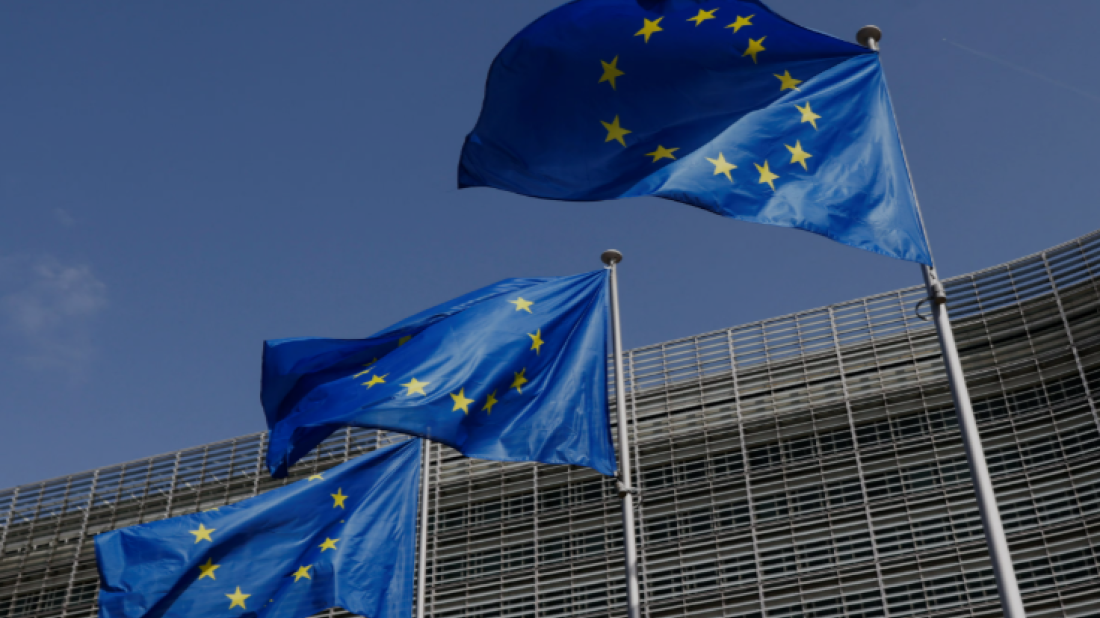
The European Union is pushing for U.S. tariff cuts on European cars to take effect retroactively, as both sides released details of their July trade framework deal aimed at easing transatlantic trade tensions.
Under the new trade framework agreed in July between U.S. President Donald Trump and European Commission President Ursula von der Leyen, the United States will lower its 27.5% tariffs on European cars and car parts to 15%, easing a major burden on the auto industry.
The 3.5-page joint statement outlined commitments from both sides, including the EU’s pledge to eliminate tariffs on U.S. industrial goods and grant preferential market access for U.S. seafood and agricultural products.
While wine and spirits were excluded from exemptions, both parties left the door open for future negotiations.
The EU also reiterated its plan to procure $750 billion in U.S. energy products and $40 billion in American-made AI chips, alongside $600 billion of EU investment in U.S. strategic sectors by 2028.
Both sides pledged to address digital trade barriers, negotiate rules of origin, and coordinate on steel and aluminum markets to protect supply chains.
Officials described the deal as a mechanism to ensure accountability while laying the groundwork for future expansions.

The United States carried out a third consecutive night of airstrikes against Iran, targeting military capabilities around the Strait of Hormuz as Donald Trump announced the reinstatement of a blockade on Iranian shipping and proposed a 20% fee on cargo passing through the strategic waterway.
President Ilham Aliyev is holding his annual question-and-answer session with international journalists at the 4th Shusha Global Media Forum in Azerbaijan.
The United States and Iran have significantly escalated their conflict, exchanging heavy missile and drone strikes across the Gulf region. Iran claims it has once again closed the Strait of Hormuz, a vital global shipping route.
Start your day informed with AnewZ Morning Brief. Here are the top news stories for the 13th of July, covering the latest developments you need to know.
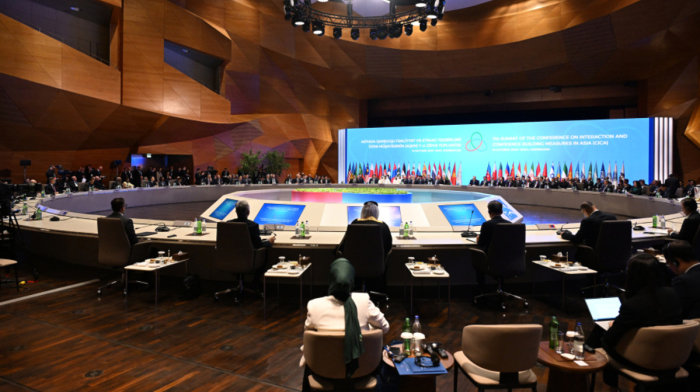
The 4th Shusha Global Media Forum gets underway on 13 July in Azerbaijan under the theme "The Mission of the Media in Promoting Peace: Restoring Truth and Rebuilding Trust". The event brings together nearly 160 media leaders, experts and officials from 53 countries.
The United States carried out a third consecutive night of airstrikes against Iran, targeting military capabilities around the Strait of Hormuz as Donald Trump announced the reinstatement of a blockade on Iranian shipping and proposed a 20% fee on cargo passing through the strategic waterway.
The United States has announced a campaign to weaken the International Criminal Court (ICC), describing the tribunal as a threat to American sovereignty and signalling that further sanctions, visa restrictions and diplomatic pressure on allies could follow.
The United Kingdom, the European Union, Spain and Gibraltar have formally signed a treaty establishing new arrangements for movement and border procedures between Gibraltar and Spain.
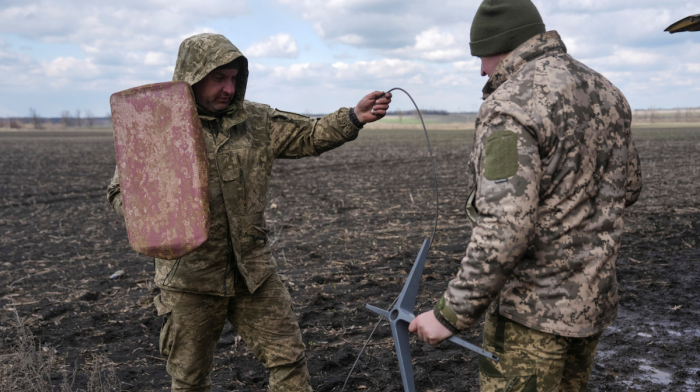
Around 500 soldiers from countries supporting Ukraine marched down Paris's Champs-Élysées during France's annual Bastille Day parade. France said the procession, which also included 25 Ukrainian soldiers, demonstrated that Europe was ready to respond to growing international threats.
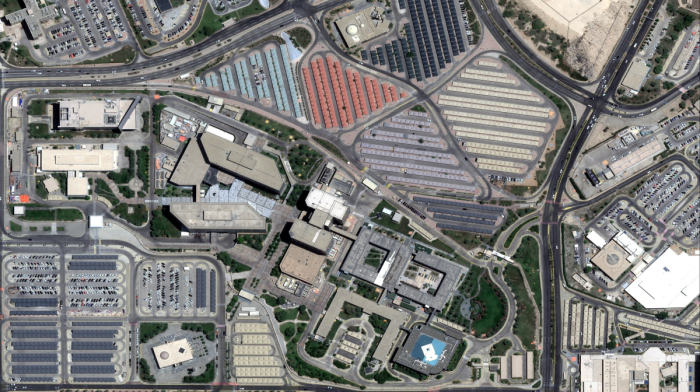
Iran’s Islamic Revolutionary Guard Corps (IRGC) said on Tuesday that its Navy had struck U.S. military barracks, a satellite communications centre and a Patriot missile battery in Bahrain, while its Aerospace Force targeted an airbase in Jordan.
You can download the AnewZ application from Play Store and the App Store.
What is your opinion on this topic?
Leave the first comment