live Saudi Arabia, Türkiye and Pakistan unite in defence pact amid Iran threat
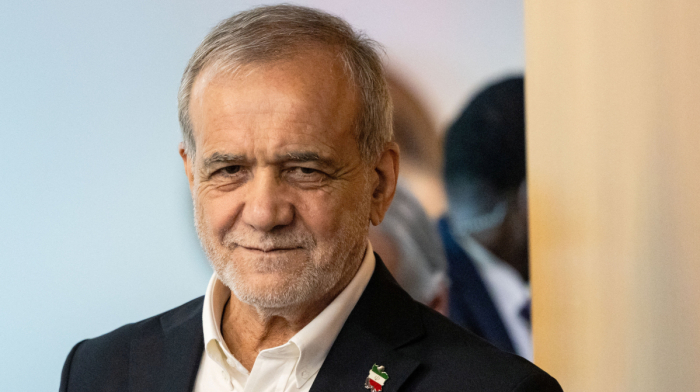
U.S. President Donald Trump said negotiations to reopen the Strait of Hormuz are progressing and suggested an agreement with Iran could be reached “...
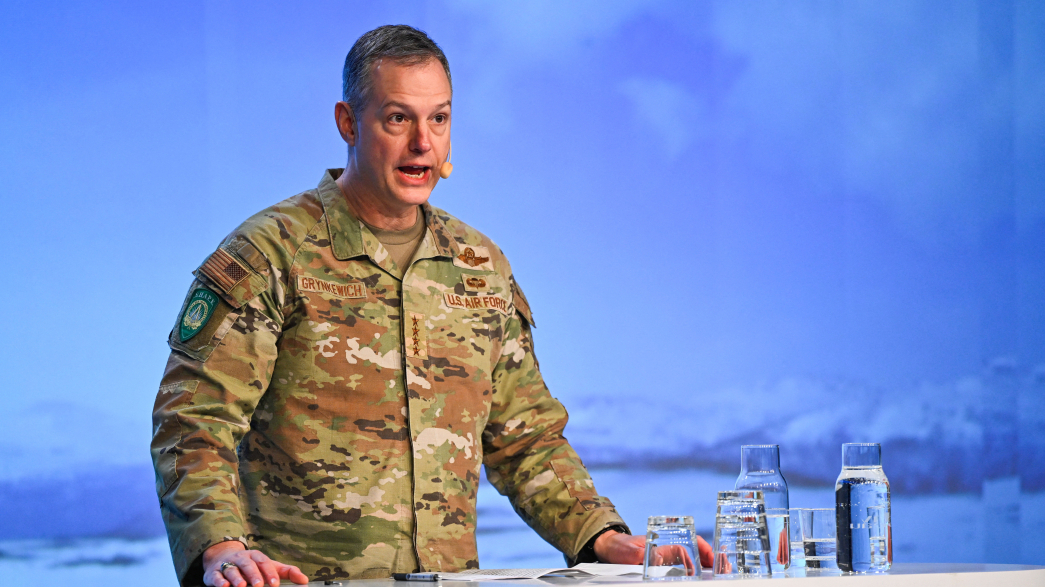
The Arctic has become a frontline for strategic competition, NATO’s top military commander in Europe said on Sunday, as Russia and China increase their presence in the region.
General Alexus Grynkewich, Supreme Allied Commander Europe, said Russian and Chinese vessels are conducting joint patrols in the High North, while countries including Iran and North Korea deepen strategic cooperation with Moscow.
He noted Chinese icebreakers and research vessels are active in Arctic waters and described Russian activity in the Barents Sea as testing advanced capabilities. The commander said these developments reflect a growing focus on the Arctic as a zone of geopolitical competition.
Grynkewich highlighted NATO allies’ commitments to strengthen defence spending and said money alone is not enough. He called for increased delivery of equipment, weapons and ammunition to allied forces to maintain readiness.
The remarks underline NATO’s view that the Arctic and Northern Europe are becoming central to global strategic competition, combining military, technological and economic dimensions as access to Arctic resources and shipping routes grows.

Shipping traffic through the Strait of Hormuz and the Bab el-Mandeb Strait, two key maritime chokepoints in the region, decreased significantly from the previous day, according to shipping data.
Start your day informed with AnewZ Morning Brief. Here are the top news stories for the 6th of August, covering the latest developments.
U.S. President Donald Trump said negotiations to reopen the Strait of Hormuz are progressing and suggested an agreement with Iran could be reached “soon”.
Kazakhstan’s main oil export corridor was disrupted by drone strikes near Russia’s Black Sea coast in July, forcing a temporary suspension of crude loadings and raising fresh concerns over the vulnerability of regional energy infrastructure to the war in Ukraine.
Extreme heat and historically low river levels are forcing nuclear power plants across Southeast Europe to reduce production, increasing pressure on already stretched electricity supplies and prompting governments to call for lower consumption.
U.S. President Donald Trump may have to accept concessions he previously opposed if he wants to secure a deal with Iran to reopen the Strait of Hormuz, according to analysts, as negotiators move closer to a temporary agreement.
Italy is considering Armenia as a possible location for a migrant reception or repatriation centre, according to media reports.
Uzbek exporters say repeated disruptions to Wildberries' logistics network in Russia have slowed deliveries and affected overseas sales, prompting the government to hold talks with the online marketplace's management.
Thailand's prime minister has pledged to introduce tougher gun laws after a school shooting outside Bangkok left at least eight people dead, including the suspected teenage gunman.
Morocco has expressed its readiness to work with Spain and other European partners to identify and return unaccompanied minors following the mass arrival of tens of thousands of migrants Ceuta last week.
You can download the AnewZ application from Play Store and the App Store.
What is your opinion on this topic?
Leave the first comment