India and the European Union have finalised a long-pending trade deal, both sides said on Tuesday, calling it the “mother of all deals” as they seek to hedge against uncertainty in U.S. trade ties.
The deal is expected to double EU exports to India by 2032 by eliminating or reducing tariffs on 96.6% of traded goods by value, the EU said. It is also expected to save European companies 4 billion euros ($4.75 billion) in duties.
India’s trade ministry said the EU will cut tariffs on 99.5% of traded goods over seven years, reducing duties to zero on Indian marine products, leather, textiles and chemicals.
“Yesterday, a big agreement was signed between the European Union and India,” Indian Prime Minister Narendra Modi said.
“People around the world are calling this the mother of all deals. This agreement will bring major opportunities for the 1.4 billion people of India and the millions of people in Europe.”
The accord will open up India’s tightly protected market, with New Delhi slashing tariffs on cars to 10% over five years from as high as 110%, according to an EU statement. Tariffs on wines will be cut immediately to 75% from 150% and gradually lowered to 20%.
The deal will also cut tariffs on a wide range of EU exports to India, including machinery, electrical equipment, chemicals, and iron and steel.
“Europe and India are making history today,” European Commission President Ursula von der Leyen said in a social media post. “This is only the beginning.”
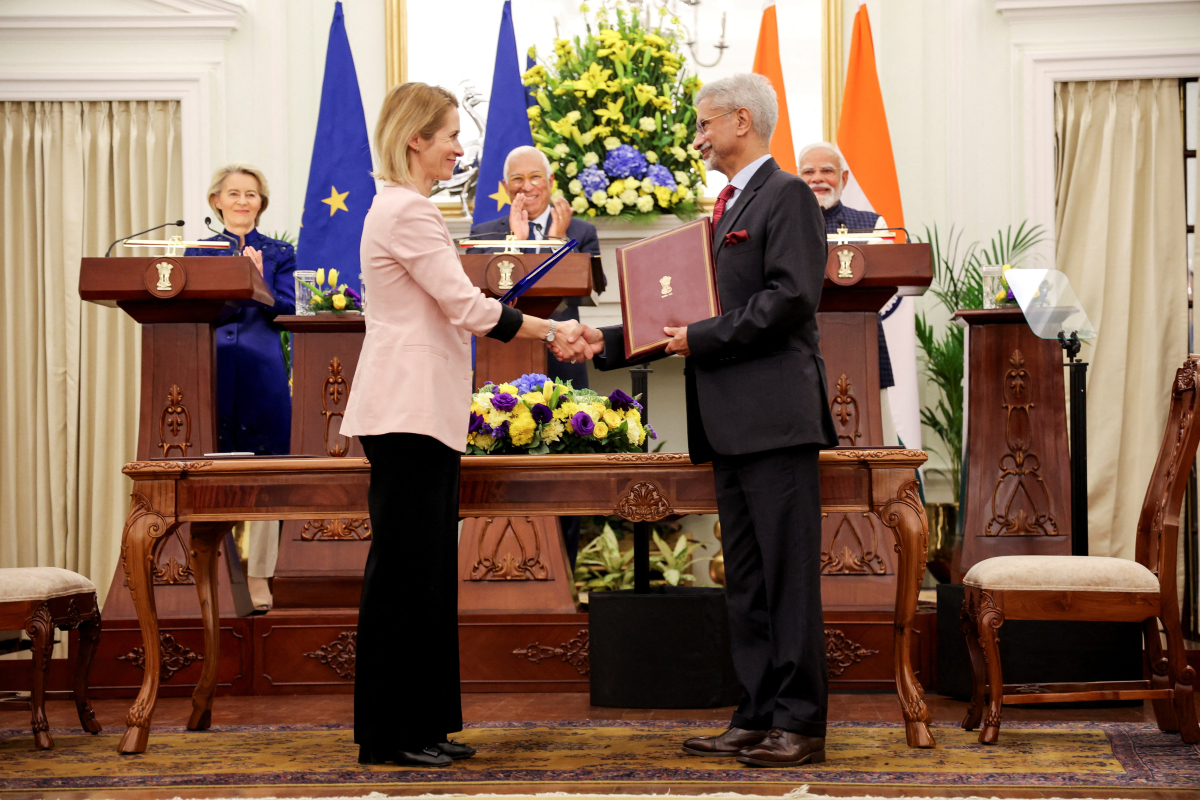
EU foreign policy chief Kaja Kallas shakes hands with India’s Foreign Minister Subrahmanyam Jaishankar after signing an EU–India security pact in New Delhi, Jan 27, 2026.
Reuters
Trade between India and the EU stood at $136.5 billion in the fiscal year through to March 2025. An Indian government official said the formal signing of the deal would take place after legal vetting expected to last five to six months, with implementation anticipated within a year.
The agreement comes days after the EU signed a pivotal pact with the South American bloc Mercosur, following deals last year with Indonesia, Mexico and Switzerland. During the same period, New Delhi finalised pacts with Britain, New Zealand and Oman.
The spate of deals underscores global efforts to hedge against trade with the United States as President Donald Trump's bid to take over Greenland and tariff threats on European nations test longstanding alliances among Western nations.
Talks between India and the EU were relaunched in 2022 after a nine-year pause and gained momentum after Trump imposed tariffs on several trading partners, including a 50% levy on Indian goods.
An India-U.S. trade deal collapsed last year following a breakdown in communications between the two governments.
Ajay Srivastava, a former Indian trade official, said tariff cuts with the EU would boost India’s labour-intensive exports and help offset the impact of U.S. tariffs.
He added that the deal would also give EU products an immediate price advantage in India due to relief from its high import duties, particularly on cars.
Expert view
The “Mother of all Deals,” may not have materialized without the influence of former U.S. President Donald Trump, political analyst Enrique Cocero told Anewz.
“This is one of the most important commerce deals we’re going to see between countries,” Cocero said.
“Without the push and the pressure of Donald Trump in tariffs, maybe this agreement would never have appeared. But it is here, and it’s quite important for both the European Union and India.”
The analyst’s comments highlight the continued role of U.S. trade policy and political leverage in shaping global commercial agreements, even after the conclusion of a deal between two major economic powers.
Leaders of countries from the Commonwealth of Independent States (CIS) have agreed to hold coordinated population censuses around 2030. They took the decision at the CIS Council of Heads of State meeting in Awaza, Turkmenistan on Friday, media reported.
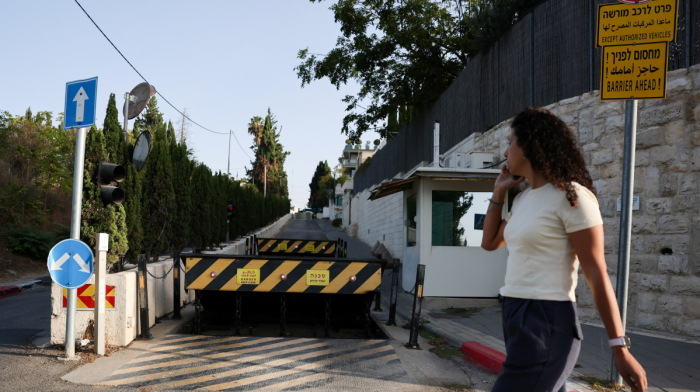
Britain and Israel have reached a temporary compromise over the future of the British Consulate General in East Jerusalem, easing a diplomatic dispute that had threatened to further strain relations between the two countries.
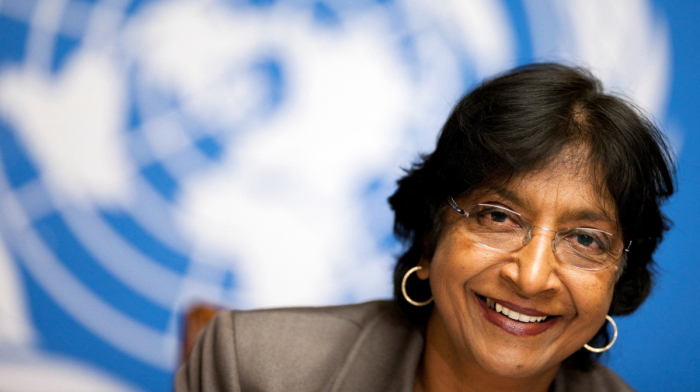
South African judge Navanethem “Navi” Pillay won the Nobel Peace Prize on Friday “for her efforts to promote peace and international law,” the Norwegian Nobel Committee said.
The U.S. has imposed sanctions on the International Criminal Court (ICC) on Friday (9 October) escalating tensions with European allies and potentially targeting companies that provide services to the tribunal. The move came hours after former ICC judge Navi Pillay won the Nobel Peace Prize.
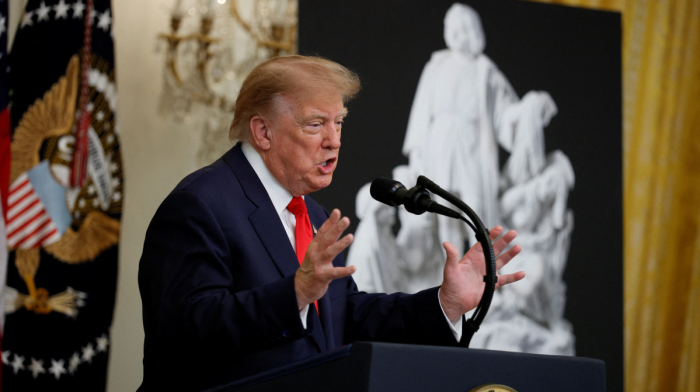
At least 12 people, including three children, have been killed in a Russian attack on the Ukrainian city of Zaporizhzhia, a day after U.S. President Donald Trump announced a deal to ease sanctions on Russian diesel.
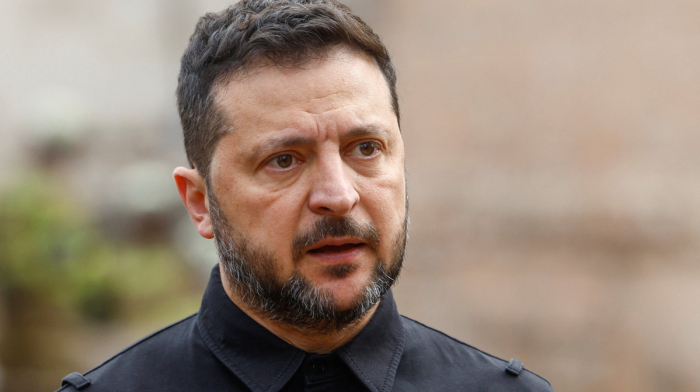
Ukrainian President Volodymyr Zelenskyy has criticised U.S. President Donald Trump’s decision to ease sanctions on Russian diesel exports, questioning why Moscow was granted an economic benefit without an apparent concession towards ending the war in Ukraine.
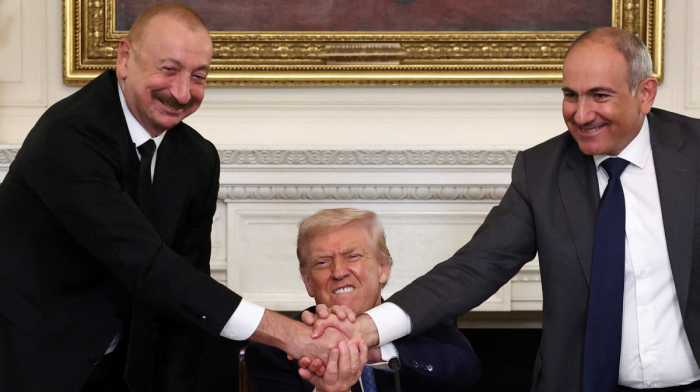
Russian President Vladimir Putin expressed surprise after Donald Trump mediated the Armenia-Azerbaijan peace agreement in 2025, the U.S. President said at a rally in New York state on Friday.
The United Nations has condemned a sharp rise in attacks on civilians in Ukraine, reporting that more than 100 people were killed and at least 429 injured in a single week as Russian strikes hit residential areas, passenger buses and critical infrastructure.
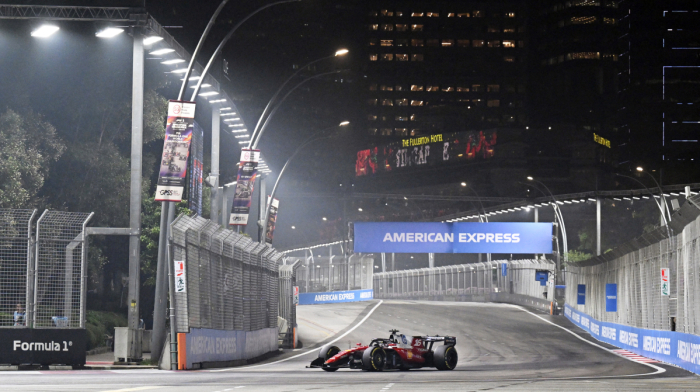
Air quality in Singapore plunged to “very unhealthy” levels on Friday, 9 October, as thick haze engulfed the city-state ahead of Sunday's Formula One Grand Prix, while Max Verstappen claimed pole position for Saturday's Sprint race.
Download the AnewZ app
You can download the AnewZ application from Play Store and the App Store.











What is your opinion on this topic?
Leave the first comment