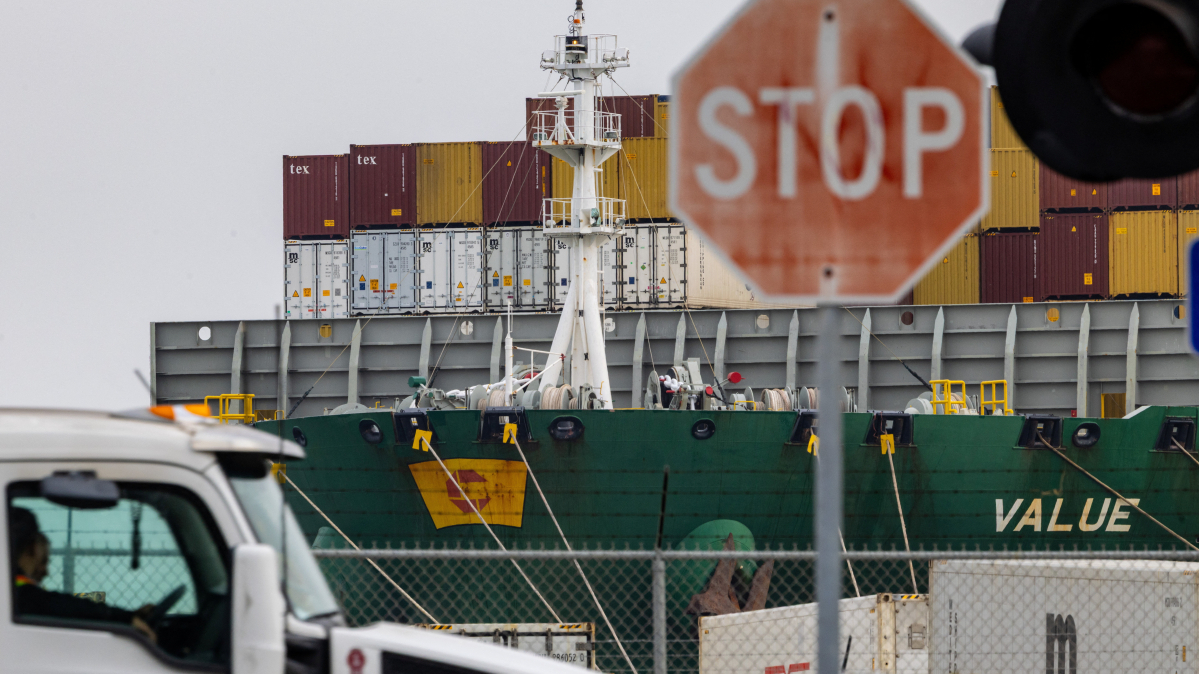
U.S. President Donald Trump’s new 10% global tariffs have come into effect, hours after the Supreme Court blocked many of his sweeping import taxes in a 6–3 ruling. Allies around the world are weighing possible retaliation, while markets brace for further upheaval.
Following the court’s decision on Friday (20 February), President Trump signed an executive order introducing the levy from 24 February under Section 122 of the 1974 Trade Act, which allows temporary tariffs to be imposed for up to 150 days without congressional approval.
Trump had previously said the rate would be set at 15%, but no directive increasing it beyond 10% has been issued. The White House has been approached for comment.
The executive order states that the tariff is intended to address “fundamental international payments problems” and to rebalance trade in favour of American workers, farmers and manufacturers.
The President argues the measures are necessary to reduce the U.S. trade deficit, which widened by 2.1% compared with 2024 to approximately $1.2 trillion. The administration has already collected at least $130bn in tariffs using the 1977 International Emergency Economic Powers Act.
Global response
The United Kingdom said no reciprocal action was “off the table” if Washington failed to honour its tariff agreement, although it added that “no one wants a trade war.”
The European Union said it would suspend ratification of a summer trade deal, while officials in the European Parliament called for further clarity.
India also said it would defer previously scheduled talks aimed at finalising a recent agreement.













What is your opinion on this topic?
Leave the first comment