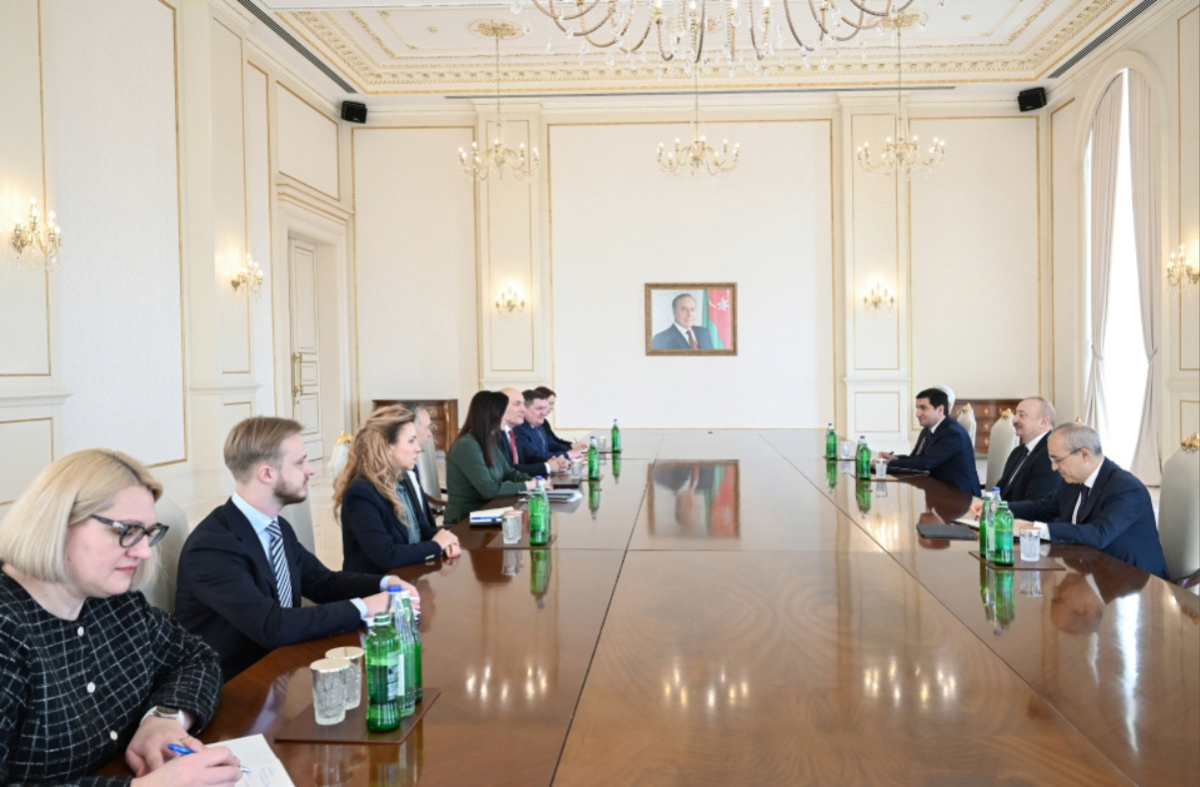
Lithuania’s Prime Minister’s visit to Azerbaijan on 9 April signals a deepening strategic dialogue between Baku and European partners. Analysts say economic interests and geopolitical shifts are driving closer engagement.
Speaking to AnewZ, Alexandra Filippenko, political analyst, said that “we assess current relations and we agree to form a stronger cooperation and further expansion,” highlighting growing interest from both Lithuania and the broader European Union.
She emphasised that increasing trade turnover and promoting mutual investments are now key priorities, noting that “the financial part plays the biggest role.”
Filippenko pointed out that Europe is seeking to diversify its partnerships amid shifting global dynamics, adding that “it’s very important to turn to the other side… first of all, of course, to Azerbaijan.”
Azerbaijan’s growing strategic role
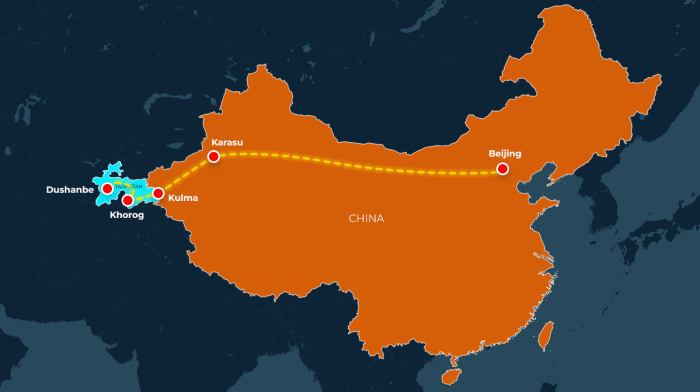
On Azerbaijan’s regional role, she stressed its strategic position as a bridge between Europe and Central Asia, calling it “very important” for EU member states.
She warned against external influence, stating that Lithuania understands “how important it is not to allow Russia to influence the relations between Azerbaijan and European countries.”
Discussing the role of smaller EU states, the analyst said they are becoming more influential in shaping policy, particularly in NATO and regional cooperation. She added that Azerbaijan is now “a power player not only in the region but internationally.”
She also underlined the importance of connectivity projects, logistics, and cooperation across the South Caucasus and Central Asia, noting that European countries must strengthen partnerships in response to shifting U.S. priorities.
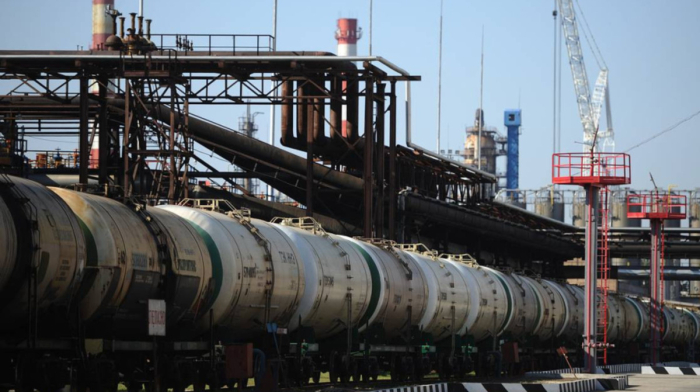
Energy security remains a central issue, with Filippenko stating that Azerbaijan plays “a very big role” in helping Europe diversify energy sources and reduce dependency on Russia.
Finally, she highlighted the importance of cultural and academic ties, stressing that “we cannot say enough about the importance of people to people communications,” as these exchanges are essential for building long-term partnerships.














What is your opinion on this topic?
Leave the first comment