A new Georgian-language broadcaster backed by Poland’s public media has launched with promises of objectivity - but it is already fuelling debate over influence, trust, and politics.
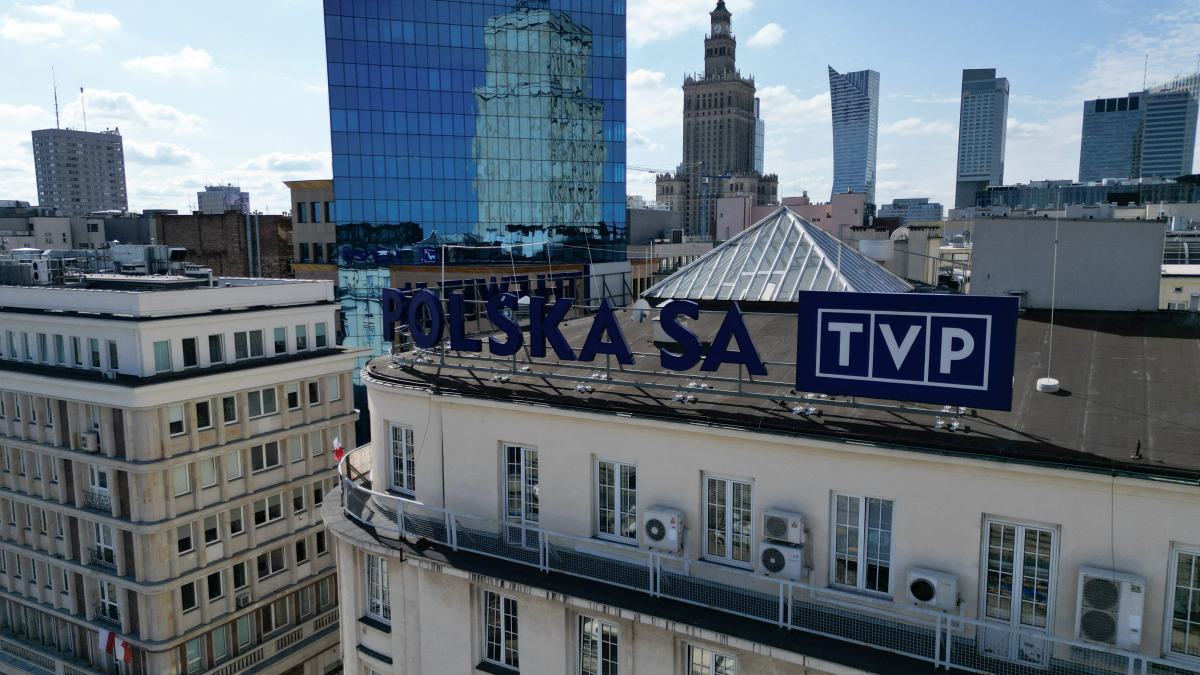
The new broadcaster, backed by Polish public broadcaster TVP, has entered the media space with a clear promise: to deliver “objective information” and challenge disinformation. However, its launch is already stirring political reactions and raising questions about influence, trust, and Georgia’s strained ties with Western partners.
TVP has launched “VT Sakartvelo News”, a Georgian-language service developed under its international media project Vot Tak. Broadcasting via Belsat TV and social platforms, the programme promises to cover “what matters,” promote European values and counter Russian disinformation.
On the surface, the mission sounds straightforward: to offer balanced reporting and bring Georgia closer to a European perspective. But in today’s political climate, nothing in media is ever just about news.
Shifting agendas
The launch comes at a sensitive moment. Relations between Georgia and its Western partners - including Poland - have cooled in recent years, amid concerns over democratic backsliding and political tensions at home. In 2025, Warsaw imposed sanctions on several Georgian officials over violence against protesters - a move that underlined growing unease.
Against this backdrop, a Polish-funded media platform entering the Georgian information space is bound to be noticed - and questioned.
The team behind the project insists its goal is clarity, not influence. Journalists including Natia Koberidze, Sophio Natsvlishvili, and Rati Mujiri say the platform offers a new “window” — a way to connect Georgian audiences with European viewpoints and global developments.
They describe it as a bridge. Critics see something else.
Pro-government channel Imedi TV was quick to respond, questioning the credibility of the project and revisiting past controversies linked to Natia Koberidze - particularly her association with a widely criticised 2010 broadcast on Imedi that simulated a renewed Russian invasion of Georgia, which aired without a clear on-screen disclaimer and caused public panic.
The criticism reflects a broader divide in Georgia’s media environment, where outlets are often seen through political lenses rather than purely journalistic ones. Notably, both Imedi TV and POSTV (pro-government media channels) were sanctioned by the United Kingdom on 24 February 2026 under its Russia sanctions regime for spreading pro-Kremlin disinformation about the war in Ukraine - a move that further deepened debates over media credibility, influence, and political alignment in the country.
This is where the story moves beyond a simple launch.
Poland's role and geopolitical context
Poland has long positioned itself as a supporter of Georgia’s European path, advocating for closer ties with the EU and backing democratic reforms. Projects like this can be seen as part of that soft-power approach - using media to strengthen connections, values, and influence.
But influence cuts both ways.
For supporters, “VT Sakartvelo News” could enrich media diversity, offer alternative perspectives, and challenge misinformation. For critics, it risks deepening mistrust, feeding narratives of external interference, and widening the already visible gap between Georgia and some of its Western partners.
In a country where media, politics, and identity are closely intertwined, even a newsroom can become a battleground.
Whether this new platform builds bridges or draws new lines will depend not just on what it reports — but on whether audiences choose to trust it.
Read more:


















What is your opinion on this topic?
Leave the first comment