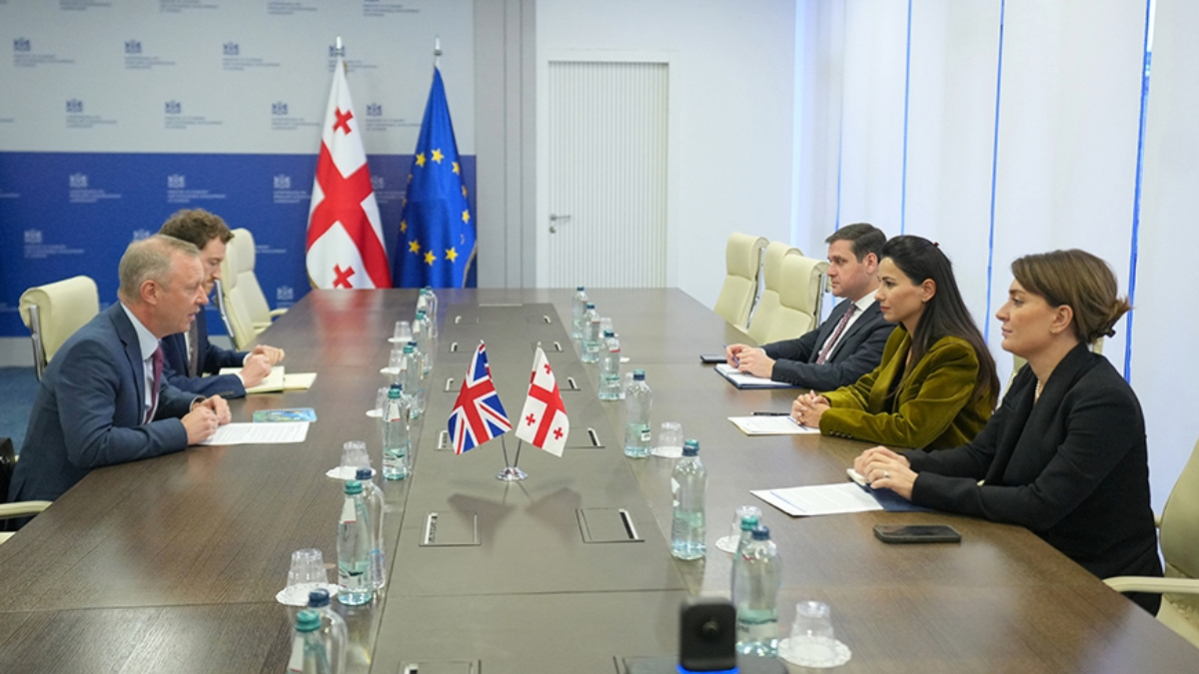
Georgia’s Minister of Economy, Mariam Kvrivishvili, met UK Ambassador Gareth Edward Ward in Tbilisi on 27–28 March to discuss trade, investment and transport links between Georgia and the United Kingdom.
According to Georgia’s Ministry of Economy, the UK has been the country’s leading source of foreign direct investment over the past two years. Officials said this reflects continued confidence from British businesses in Georgia’s economic environment.
Talks focused on strengthening Georgia’s role as a regional transit hub, with ongoing infrastructure upgrades aimed at improving integration into global supply chains. The sides also noted a sharp rise in passenger traffic following the entry of airlines such as British Airways and easyJet into the Georgian market.
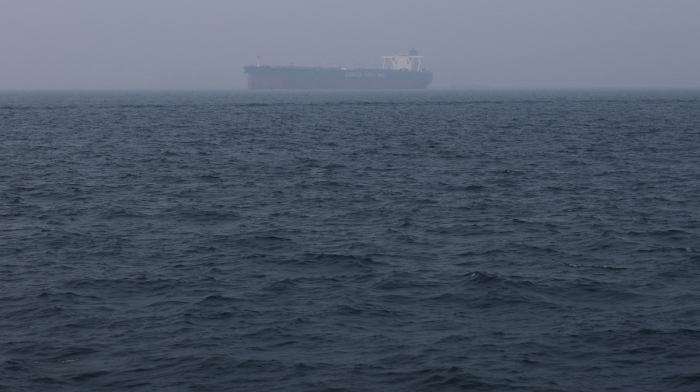
Georgian officials also addressed enforcement of international sanctions in maritime transport, stating that port procedures fully comply with national and international obligations.
The meeting comes amid strained relations between Georgia and Western countries. Tensions have risen since the disputed 2024 parliamentary elections and policies pursued by the ruling Georgian Dream party, including the suspension of EU accession talks and legislation affecting civil society and the media.
The UK has adopted a more assertive stance in recent months, having already imposed sanctions on Georgian media outlets, including Imedi TV and POSTV, and advocating broader measures.
A recent report by the UK House of Commons Foreign Affairs Committee called for targeted financial and travel sanctions against Georgian officials and organisations accused of undermining democratic processes.
Despite these developments, economic engagement between the two countries remains active, reflecting a complex relationship shaped by both cooperation and political pressure.
















What is your opinion on this topic?
Leave the first comment