Georgia’s ambitions to position itself as a key bridge between Europe and Asia are gaining renewed attention, following a visit by senior U.S. officials and fresh talks on economic cooperation.
However, beneath the surface, the discussions reveal a more complex picture - shaped not only by infrastructure and trade, but also by geopolitics and political friction.
Talks focus on the Middle Corridor and major projects.
Georgia’s Economy Minister, Mariam Kvrivishvili, met U.S. State Department representative Peter Andreoli and Acting Ambassador Alan Purcell in Tbilisi.
The discussions centred on strengthening Georgia’s role in the Middle Corridor - a growing trade route connecting Europe and Asia via the South Caucasus. Georgian officials presented a series of large-scale infrastructure projects aimed at boosting transit capacity and attracting international investment.
At the heart of these plans is the Anaklia deep-sea port. Once completed, it is expected to significantly enhance Georgia’s ability to handle cargo flows across the Black Sea and improve its competitiveness as a regional logistics hub.
The Anaklia project draws global attention
The Anaklia port is not just an economic project - it is also a geopolitical one. The development tender has been awarded to a consortium led by China Communications Construction Company, placing the project within the broader context of China’s expanding economic footprint.
For the United States, this raises strategic concerns. Washington has increasingly focused on supporting alternative trade routes that limit both Chinese and Russian influence, particularly in the Black Sea region.
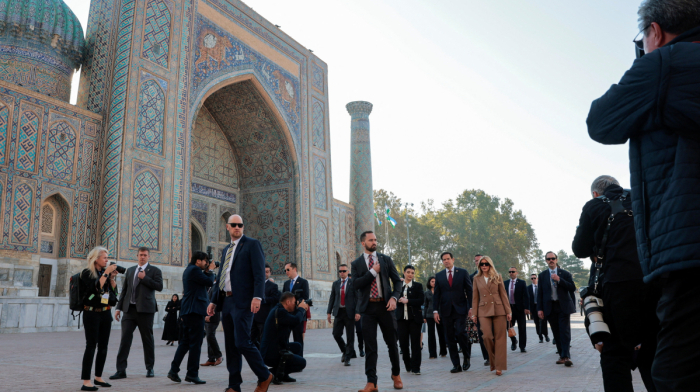
During the visit, the U.S. delegation toured infrastructure sites, including Anaklia and Poti, highlighting clear interest in Georgia’s transit potential and long-term economic role.
Opposition questions ‘reset’ narrative
Despite the government’s emphasis on strengthening ties, opposition figures argue that political relations with Washington remain strained.
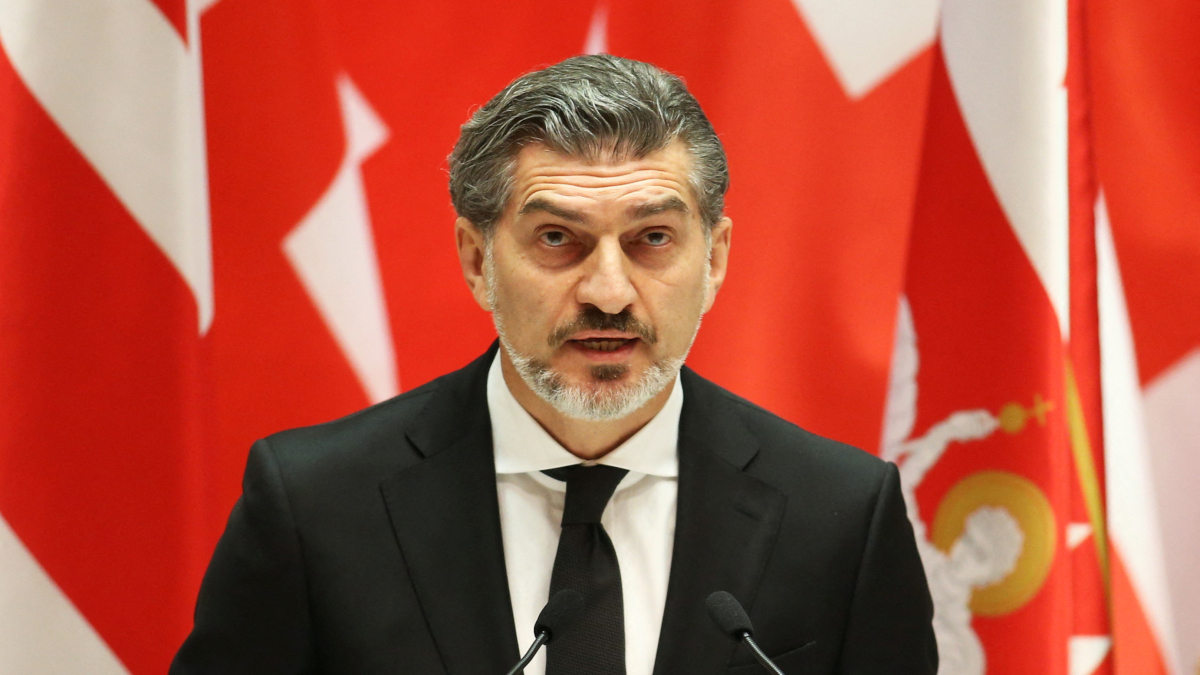
Giorgi Butikashvili noted that the U.S. official did not meet Georgia’s top political leadership, suggesting that engagement is focused more on economic projects than on political endorsement of the ruling Georgian Dream government.
At the same time, Grigol Gegelia criticised what he described as an attempt to present relations as improving. He pointed to ongoing U.S. concerns over governance, including calls to reduce Chinese economic influence and adjust domestic political policies.
Strategic location, complicated reality
Georgia’s geographic position continues to make it a vital link in regional trade and connectivity. The Middle Corridor offers clear economic opportunities - but also places the country at the centre of competing global interests.
As co-operation with the United States develops, the balance between economic ambition and political reality is likely to remain a defining factor in how far the partnership can progress.












What is your opinion on this topic?
Leave the first comment