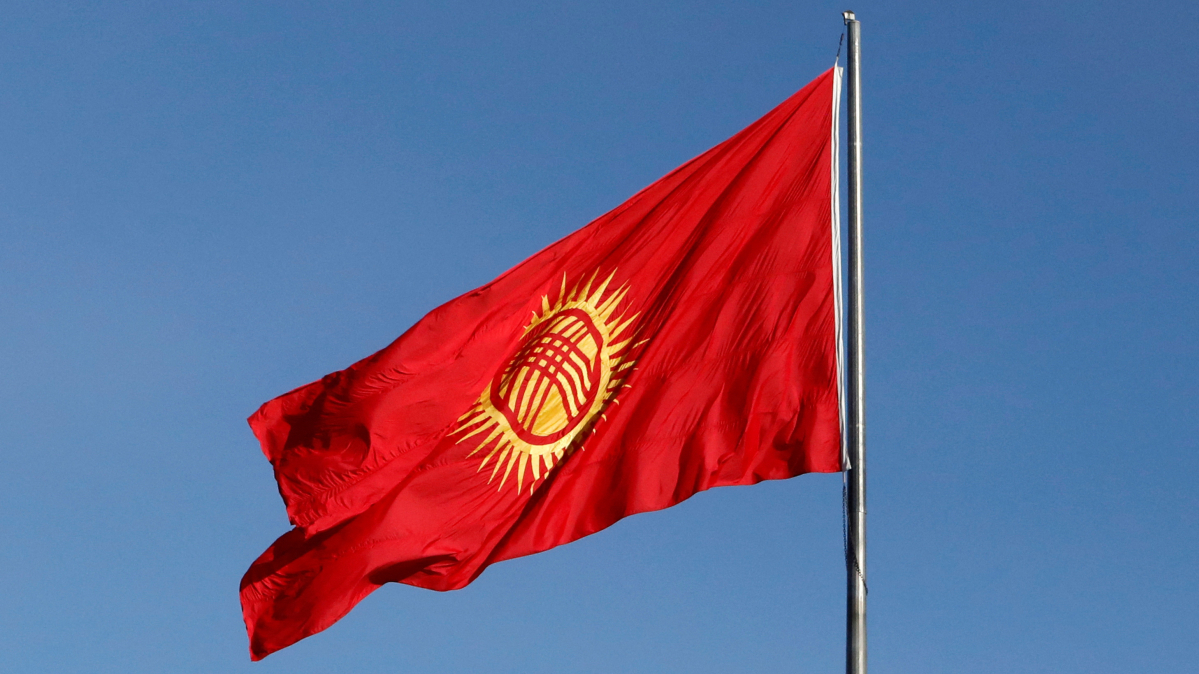
Kyrgyzstan has suspended 50 locally registered companies over what authorities described as “high sanctions risk” operations, in the clearest sign yet that Bishkek is responding to growing European scrutiny over alleged sanctions circumvention linked to Russia.
The decision, first announced by Kyrgyzstan’s Justice Ministry, marks the first use of a new mechanism intended to identify and halt what officials described as “high-risk, ill-intentioned operations.” In a statement, the ministry said it had ordered the simultaneous suspension of 50 legal entities involved in operations deemed to carry a “high sanctions risk,” without naming the companies or identifying the sectors affected.
Concern over sanctions evasion
Although the ministry did not mention Russia, the move comes amid increasing international concern over sanctions evasion through Central Asia. In recent years, Kyrgyzstan, a country of roughly seven million people with close economic ties to Moscow, has faced repeated scrutiny over claims that local companies and financial institutions may have been used to facilitate trade restricted under Western sanctions against Russia.
Brussels is watching
Those concerns have increasingly drawn attention from Brussels. Earlier this year, the European Union included Kyrgyzstan’s Keremet Bank and Capital Bank in its 20th sanctions package against Russia, reflecting concerns that parts of the country’s financial system could be exposed to sanction-sensitive transactions. Kyrgyz banks and cryptocurrency companies have also faced growing pressure as European authorities seek to close alternative channels potentially used to circumvent restrictions targeting Moscow.
The EU tightened oversight further in April by restricting certain exports to Kyrgyzstan under the same sanctions package, citing concerns that goods shipped to the mountainous Central Asian country could ultimately be redirected to Russia. The measures reflected a broader effort by Brussels to prevent re-export routes through third countries considered vulnerable to sanctions circumvention.
Paying closer attention
For Bishkek, the suspension of the 50 companies may signal an effort to demonstrate stronger regulatory oversight and reduce the risk of further economic consequences. By presenting the decision as the first action under a new enforcement framework, Kyrgyz authorities appear keen to show greater vigilance over transactions seen as potentially problematic by international partners.
At the same time, Kyrgyzstan has maintained a carefully balanced position. Officials insist the country complies with international law and acts in accordance with national legislation and international obligations, while also voicing concern over unilateral restrictive measures imposed on third countries.

















What is your opinion on this topic?
Leave the first comment