Britain’s unemployment rate has risen to 5% as the government urges supermarkets to cap prices on essentials including bread, eggs and milk amid mounting pressure over the cost-of-living crisis.
Britain’s labour market showed fresh signs of strain in April, with payroll numbers falling by 100,000 - the sharpest monthly decline since the Covid pandemic - as unemployment climbed to 5%.
Job vacancies also dropped to their lowest level since early 2021, adding to concerns over the strength of the UK economy.
Economists said global instability and growing economic uncertainty were making businesses more cautious about hiring. Concerns linked to tensions in the Middle East and rising inflation pressures have also fuelled fears of a broader slowdown.
Government considers food price cap measures
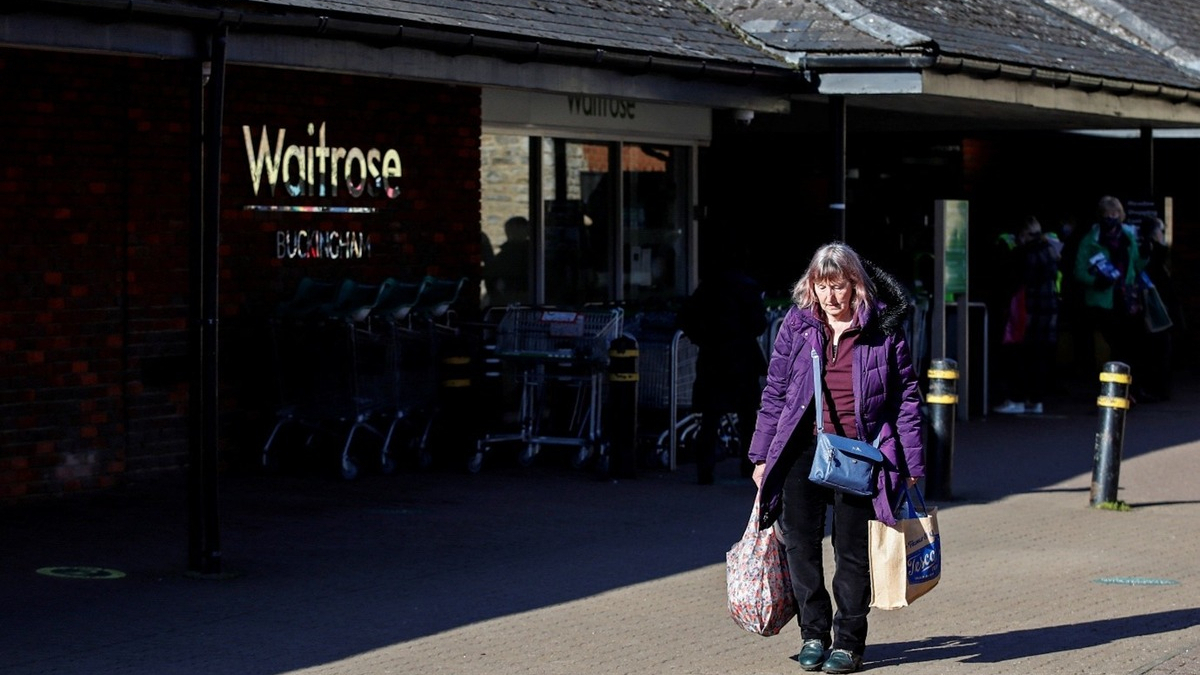
At the same time, the UK government is reportedly encouraging major supermarkets to introduce voluntary price caps on essential food products such as eggs, bread and milk to ease pressure on households struggling with the cost of living.
Under the proposals, supermarkets would not be forced to limit prices but could be asked to cooperate on temporary freezes or price controls in exchange for potential regulatory easing, including adjustments to packaging and food-related rules.
Retailers push back against proposal
Retailers, however, have strongly criticised the proposal, warning it could discourage investment and force businesses to absorb rising costs.
The chief executive of British retailer Marks & Spencer, Stuart Machin, said any move by the UK government to cap some food prices would be "completely preposterous."
The British Retail Consortium said price controls would not solve the root causes of rising food prices and argued the government should instead reduce costs imposed on businesses.
Food inflation in the UK stood at around 3.8% in April, while the Bank of England warned it could rise further later this year.






















What is your opinion on this topic?
Leave the first comment