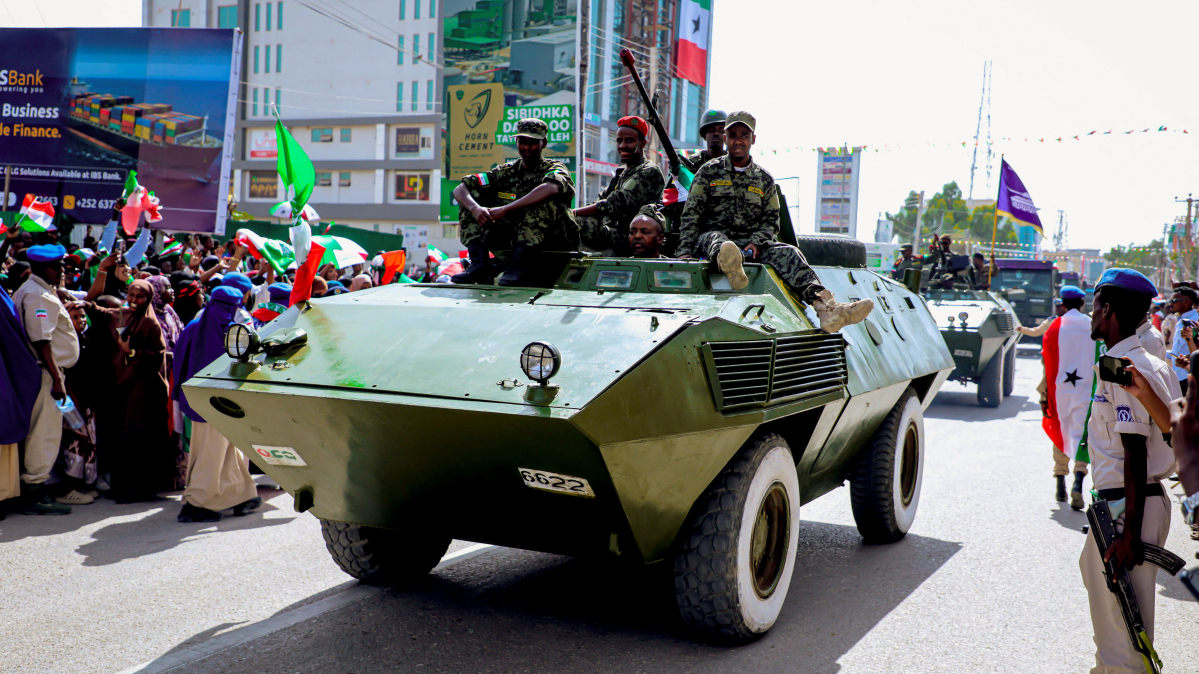
Somaliland has announced plans to open an embassy in Jerusalem, marking a further step in its emerging diplomatic engagement with Israel, its ambassador Mohamed Hagi said. The move comes after Israel became the first country to formally recognise the self-declared republic.
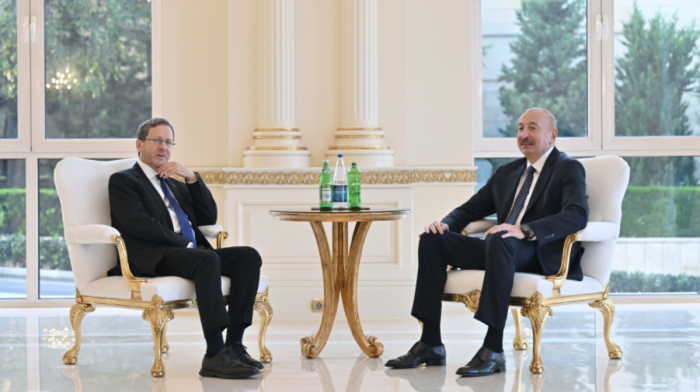
Israel’s Foreign Minister Gideon Saar said the planned opening in Jerusalem would be “another significant step” in strengthening ties.
Once established, it would become the eighth embassy in the city.
Diplomatic breakthrough
Somaliland, a breakaway region of Somalia, has functioned with de facto autonomy since 1991, when Somalia plunged into civil war. Despite maintaining its own government, currency, and security structures, it has not been internationally recognised by most countries.
Israel formally recognised Somaliland as an independent and sovereign state in December 2025. Somalia strongly rejected the move, describing it as a “deliberate attack” on its sovereignty.
Somaliland, a former British protectorate, has long campaigned for international recognition. It hopes Israel’s decision will encourage other countries to follow and expand its access to international markets.
Jerusalem and international context
Most countries keep their embassies in Tel Aviv, with only a small number maintaining missions in Jerusalem. The United States relocated its embassy there during the Trump administration, and a limited number of states, including Fiji and Papua New Guinea, have followed.
Israel regards Jerusalem as its capital, although this is not widely recognised internationally. The United Nations and most countries consider East Jerusalem to be occupied territory. Palestinians claim East Jerusalem as the capital of a future independent state encompassing the West Bank and Gaza.
Israel is among a very small number of countries to recognise Somaliland as a sovereign state, while Somaliland itself is one of the few Muslim-majority entities to signal plans for an embassy in Jerusalem.
Cautious diplomatic step
For Somaliland, the move represents both symbolism and strategy. For Israel, it adds another partner in a region where diplomatic ties remain limited.
Read more:














What is your opinion on this topic?
Leave the first comment