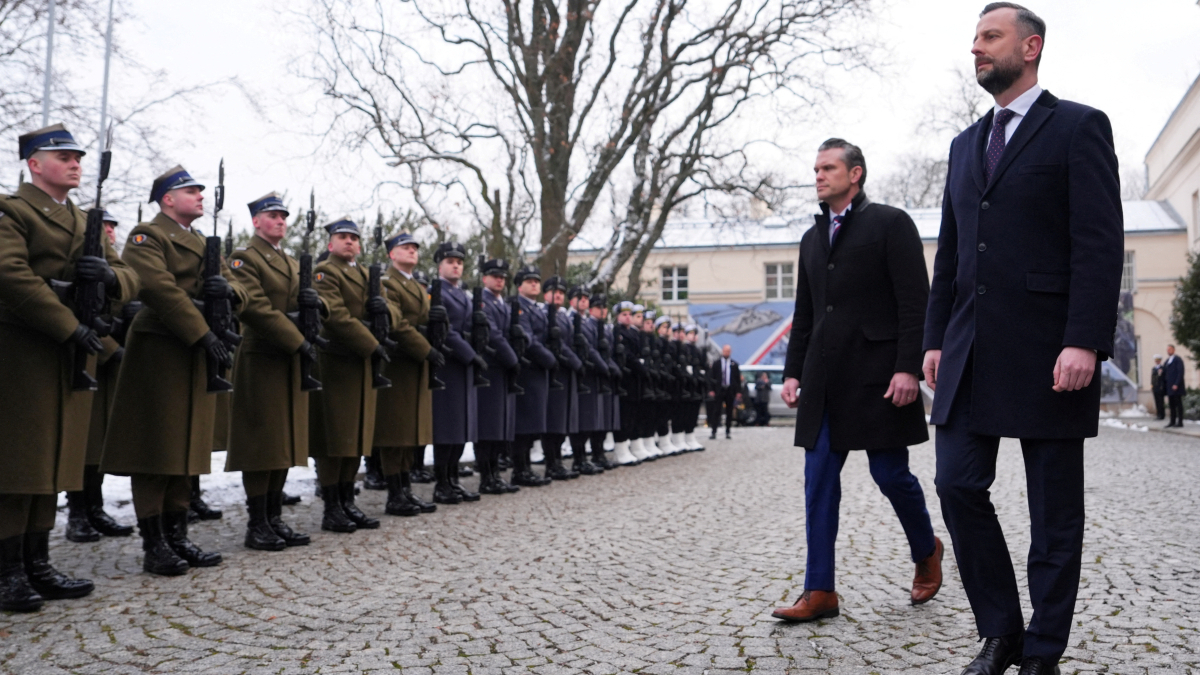
The Pentagon has scrapped plans to send around 4,000 U.S.-based troops to Poland, according to two American officials. The unexpected move has drawn strong criticism from lawmakers and revived debate over U.S. President Donald Trump’s wider plans to reduce U.S. military presence in Europe.
General Christopher LaNeve, the Army’s acting chief of staff, confirmed the decision during testimony before the House Armed Services Committee. However, he gave little explanation, saying only that it “made the most sense for that brigade to not do its deployment in theatre.”
Members of Congress from both parties expressed frustration that they were not properly informed or consulted. Democrat Joe Courtney said the move sent a “horrible message” about the U.S. commitment to Europe, warning allies were also closely watching developments.
Republicans and Democrats on the Armed Services Committee, including Mike Rogers and Adam Smith, also criticised the decision. They said Congress had not been given the legally required consultation and demanded clarity from the Pentagon.
Smith noted that U.S. troops and equipment were already being prepared for deployment, describing the last-minute reversal as highly unusual. Rogers warned that Congress could respond strongly if troop levels in Europe were reduced below legally established minimums.
Wider U.S. force adjustments in Europe
The decision follows earlier announcements that about 5,000 troops would be withdrawn from Germany, as part of a broader reassessment of U.S. military positioning in Europe.
Officials have suggested that changes in Poland may be linked to wider troop rotations across the continent, though this has not been confirmed. One U.S. official said the forces intended for Poland could potentially be drawn from elsewhere in Europe.
Pentagon response and strategic review
Despite criticism, the Pentagon insisted the decision was the result of a “comprehensive, multilayered process” and rejected claims that it was sudden or unplanned.
Spokesperson Joel Valdez said it was incorrect to describe it as a last-minute reversal. However, officials did not provide detailed explanations of the strategic reasoning behind the move.
NATO concerns and European reaction
The U.S. has been reviewing its overall troop presence in Europe, with expectations of a gradual reduction in line with long-standing calls from President Trump for European allies to take greater responsibility for their own defence.
Polish Prime Minister Donald Tusk said he had received assurances that the decision would not affect Poland’s security or deterrence capabilities, describing it as logistical rather than strategic.
A senior NATO official also played down concerns, saying rotational U.S. forces are not central to alliance defence planning, while stressing that NATO maintains a strong presence on its eastern flank.
Political tensions and legal limits
The move comes amidst broader tensions between Washington and European allies, including disagreements over the war with Iran and defence spending levels.
Although U.S. lawmakers previously approved limits preventing troop levels in Europe from falling below 76,000, the law allows reductions if the president certifies consultations with NATO and provides security assessments.
At present, there are roughly 85,000 U.S. troops stationed across Europe, though future levels remain under review as part of ongoing strategic adjustments.
Read more:














What is your opinion on this topic?
Leave the first comment