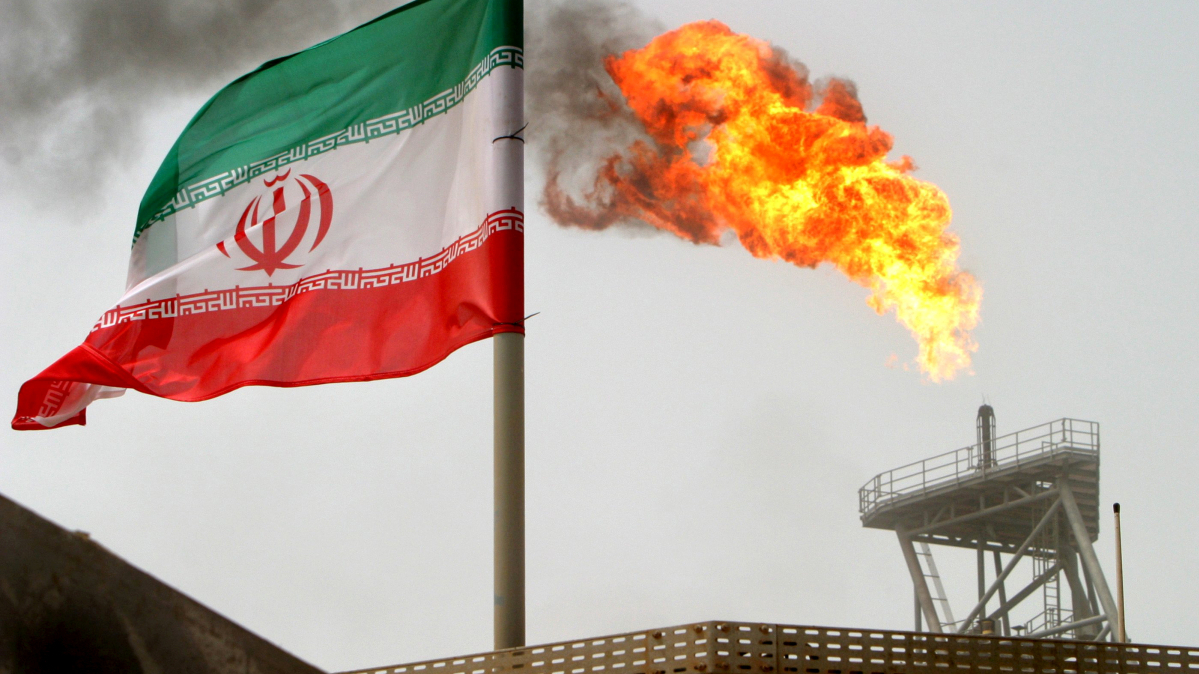
U.S. President Donald Trump has been weighing whether to deploy ground forces to seize Iran’s strategic oil hub of Kharg Island - an operation analysts say could be swift, but would expose U.S. troops to significant danger and potentially prolong, rather than shorten, the war.
Where is Kharg Island and why is it important?
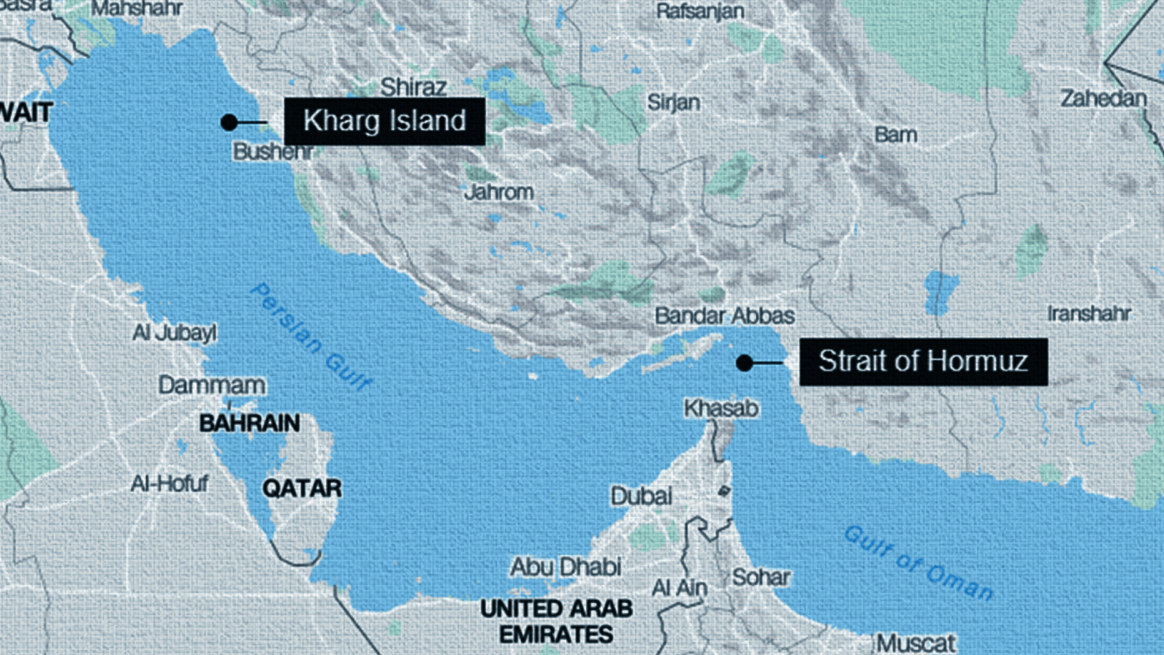
Kharg Island lies 16 miles (26 km) off Iran’s coast at the northern end of the Gulf, about 300 miles (483 km) north-west of the Strait of Hormuz.
Its surrounding waters are deep enough to accommodate large tankers that cannot access the shallow coastal areas of the Iranian mainland.
The island handles 90% of Iran's oil exports and seizing it would give the United States the ability to severely disrupt Iran's energy trade, placing enormous pressure on Tehran's economy. Iran is the third largest producer in the Organisation of the Petroleum Exporting Countries (OPEC).
AnewZ
Reuters
What is the current situation?
U.S. forces carried out strikes against Kharg Island in mid-March. Trump said they had “totally obliterated” all military targets there and suggested oil infrastructure could be targeted next.
Two contingents of Marines could arrive in the region by the end of the month, and sources say the Pentagon is planning to deploy thousands of airborne troops to give Trump additional options should he order a ground assault.
U.S. troops could likely seize the island relatively quickly, but this would not necessarily lead to the swift and decisive end to the war that Trump has sought, particularly given its unpopularity at home ahead of the November midterm elections.
“A seizure and occupation of Kharg Island is more likely to expand and prolong the war than to deliver any sort of decisive victory,” Ryan Brobst and Cameron McMillan of the Foundation for Defence of Democracies wrote.
They said U.S. troops would be exposed to missile and drone attacks, including potentially small but lethal camera-equipped “first-person view drones” already used extensively in Ukraine.
“Following any successful strikes, the Iranian regime would be expected to release videos of those attacks online, using the graphic deaths of American service members as propaganda,” they said.
Trump may also hope that capturing Kharg Island would force Iran to reopen the Strait of Hormuz and provide leverage in future negotiations, analysts say.
However, Tehran could respond by laying additional mines to target shipping, including floating mines deployed from the coast. This would make the region even more hazardous, further disrupting shipping already affected by the conflict.
Troops need backup
A former commander of U.S. Central Command, Joseph Votel, told TWZ.com last week that while only 800 to 1,000 troops would be needed on Kharg Island, they would require logistical support that would also need protection.
Votel said the troops would be highly vulnerable and expressed doubt that seizing the island would offer any meaningful tactical advantage.
It would be “kind of an odd thing to do … But we could certainly do it if we had to,” he said.
Leaders of countries from the Commonwealth of Independent States (CIS) have agreed to hold coordinated population censuses around 2030. They took the decision at the CIS Council of Heads of State meeting in Awaza, Turkmenistan on Friday, media reported.
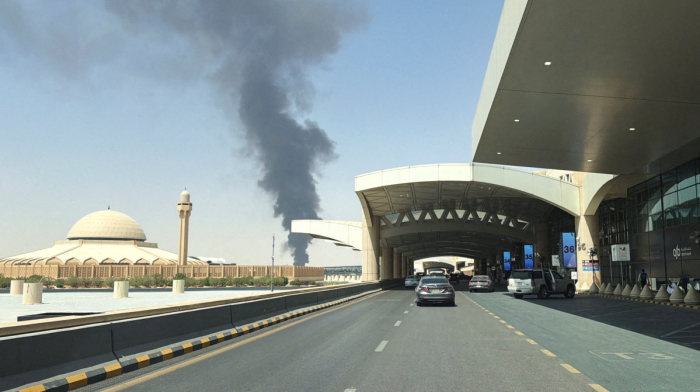
A powerful explosion has been reported at King Khalid International Airport in Riyadh, raising fresh concerns over aviation security in Saudi Arabia as tensions across the region continue to escalate.
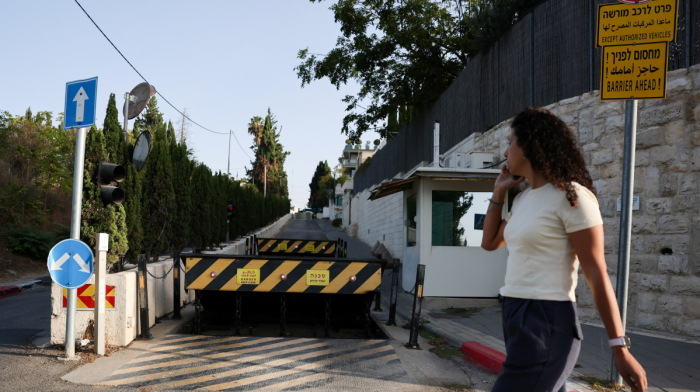
Britain and Israel have reached a temporary compromise over the future of the British Consulate General in East Jerusalem, easing a diplomatic dispute that had threatened to further strain relations between the two countries.
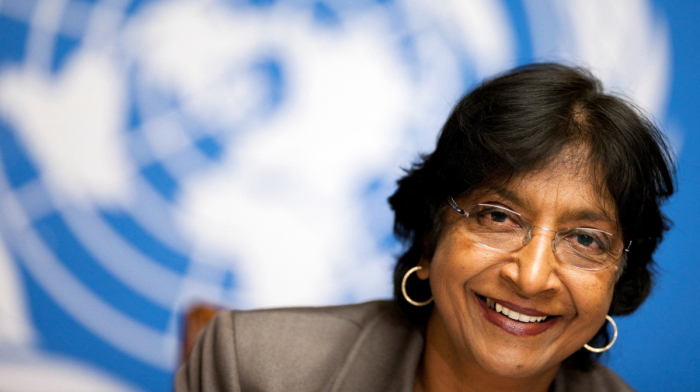
South African judge Navanethem “Navi” Pillay won the Nobel Peace Prize on Friday “for her efforts to promote peace and international law,” the Norwegian Nobel Committee said.
The U.S. has imposed sanctions on the International Criminal Court (ICC) on Friday (9 October) escalating tensions with European allies and potentially targeting companies that provide services to the tribunal. The move came hours after former ICC judge Navi Pillay won the Nobel Peace Prize.
A powerful explosion has been reported at King Khalid International Airport in Riyadh, raising fresh concerns over aviation security in Saudi Arabia as tensions across the region continue to escalate.
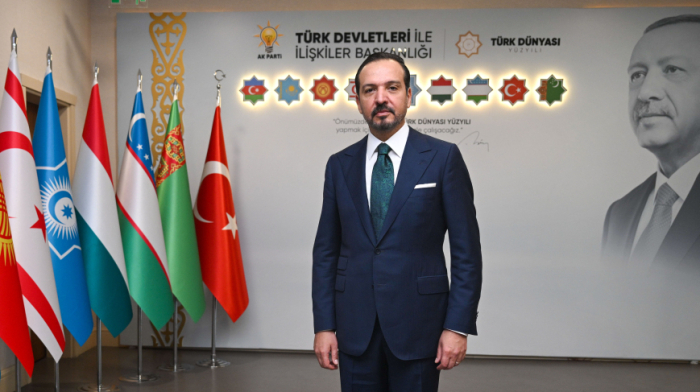
Turkic states are assessing the feasibility of passport-free travel between countries using national ID cards, Kürşad Zorlu, the Deputy Chairman of Türkiye’s ruling AK Party said on Saturday.
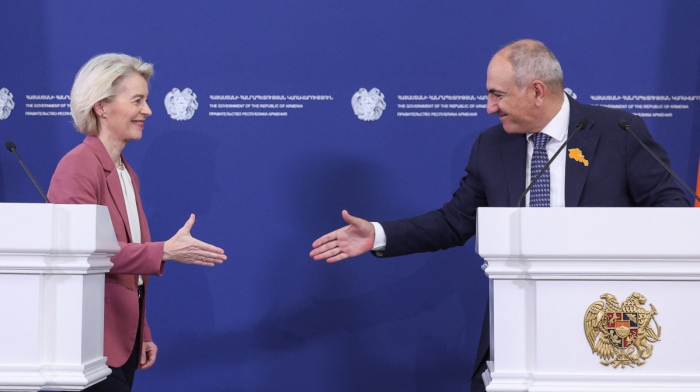
European Union measures suspending import duties on 80 per cent of Armenian exports to the bloc came into effect on Saturday. The temporary liberalisation measures are aimed at supporting Armenian producers and exporters following trade restrictions imposed on the country's products by Russia.
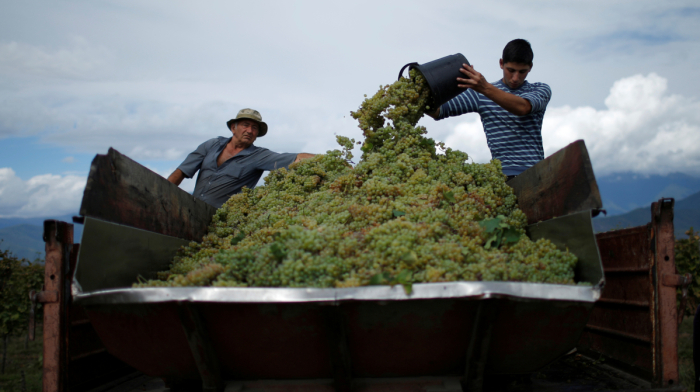
Georgia is enjoying one of its biggest and highest-quality grape harvests since independence. By 6 October, growers in the country's main wine-producing region, Kakheti, had delivered 182,210 tonnes of grapes, with 99 per cent rated medium or high quality, despite recent protests over prices.
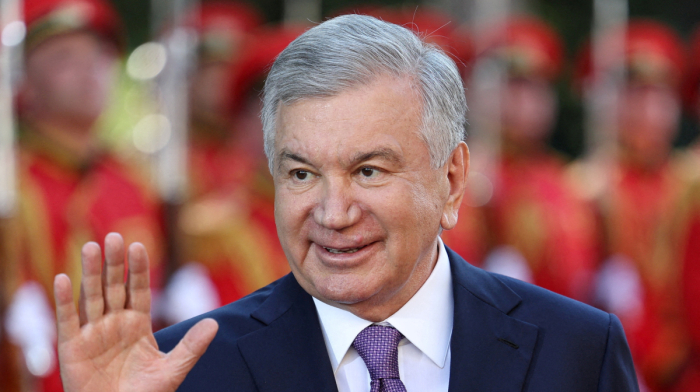
Uzbekistan has unveiled plans to deepen economic ties with Central Asia and Azerbaijan, proposing shared artificial intelligence infrastructure, a critical minerals alliance and a regional trade strategy extending to 2035.
Download the AnewZ app
You can download the AnewZ application from Play Store and the App Store.












What is your opinion on this topic?
Leave the first comment