



11:16 CET
Nuclear security
Georgia arrests man over attempted $700,000 uranium sale
Georgia has detained a man ...


The recent peace process between Armenia and Azerbaijan has reignited a sensitive debate in Georgia: does regional normalisation strengthen Georgia’s position or threaten its long-standing role as the South Caucasus’ key transit hub?
The discussion intensified after Azerbaijani President Ilham Aliyev said at the World Economic Forum in Davos that Armenia had requested the possibility of transit to Russia via Azerbaijan, suggesting that direct routes could emerge in the future. While the statement did not mention replacing Georgia, reactions in Tbilisi were immediate and sharply divided.
This division reflects not only differing political positions, but deeper anxieties about Georgia’s geopolitical relevance in a rapidly-changing regional order.
Representatives of the ruling Georgian Dream Party argue that peace in the South Caucasus is a strategic opportunity rather than a threat. Parliamentary Committee Chairmen Irakli Kadagishvili and Davit Matikashvili both emphasised that Georgia’s transit function has never depended on conflict between its neighbours. Instead, they point to existing infrastructure, such as pipelines, railways, ports, and energy corridors, which anchor Georgia firmly into East-West trade routes.
Their argument aligns with established transit economics: major corridors are not solely built around geography, but also around infrastructure density access to sea routes and international financing.
The opposition, however, frames the situation differently. Leaders from “Lelo - Strong Georgia” warn that Georgia risks losing a geopolitical advantage it has pursued since independence, accusing the government of alienating Western partners and allowing Armenia to reposition itself as a more reliable regional interlocutor.
This framing turns a technical transit discussion into a broader political question: is Georgia losing relevance due to infrastructure changes, or due to diplomatic credibility?
Studies by the World Bank, Organisation for Economic Co-operation and Development (OECD) and the Asian Development Bank consistently show that new transport routes rarely replace existing ones in the short or medium term. Instead, they tend to diversify flows, reduce bottlenecks, and increase overall regional trade volumes.
Georgia’s transit role is embedded in several structural advantages:
· direct access to the Black Sea;
· integration into European Union (EU)-backed initiatives such as the Trans-Caspian International Transport Route;
· existing oil and gas pipelines linking Azerbaijan to European markets;
· long-standing logistics infrastructure built over decades.
By contrast, Armenia’s transport network has been historically constrained by closed borders and limited maritime access. While normalisation with Azerbaijan could unlock new routes, building competitive capacity requires time, capital, and political stability.
Despite claims of international isolation, Georgia has maintained active high-level engagement with both Armenia and Azerbaijan in recent months. Bilateral visits, trilateral formats, and economic cooperation discussions indicate an attempt to remain relevant in a post-conflict regional architecture.
This aligns with the concept of “middle power adaptation” - smaller states adjusting their diplomacy to avoid marginalisation during systemic shifts.
The current debate in Georgia is less about immediate transit losses and more about future positioning. Structurally, Georgia’s transit role remains intact. Politically, uncertainty fuels competing narratives: one emphasising resilience; the other warning of decline.

Georgia has detained a man ...
Azerbaijan and the five Central Asian states have signed two key documents at the 8th Consultative Meeting of Heads of State in Turkmenbashi, forma...
U.S. Vice President JD Vance told Reuters on Monday (5 October) that ...

Russia's health watchdog said on Tuesday that no cases of plague had been detected among anyone who had come into contact with a Siberian plague institute laboratory worker who died last week, and locals said their lives had barely been disrupted.
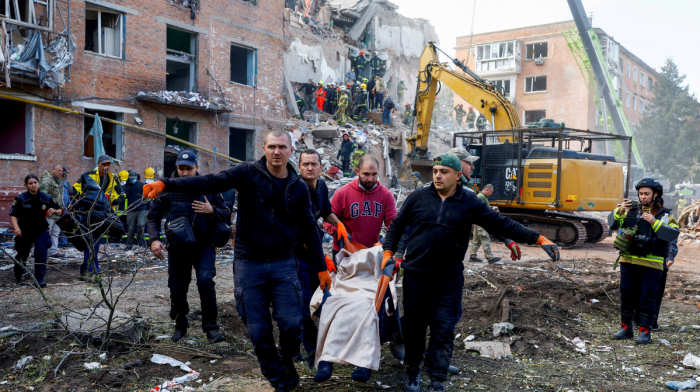
Russia struck Ukraine overnight in one of the biggest attacks of the conflict, killing at least 19 people, Kyiv's Foreign Ministry said on Wednesday. Around 70 missiles were fired at Ukraine during the attack, as well as drones, the Ministry said.
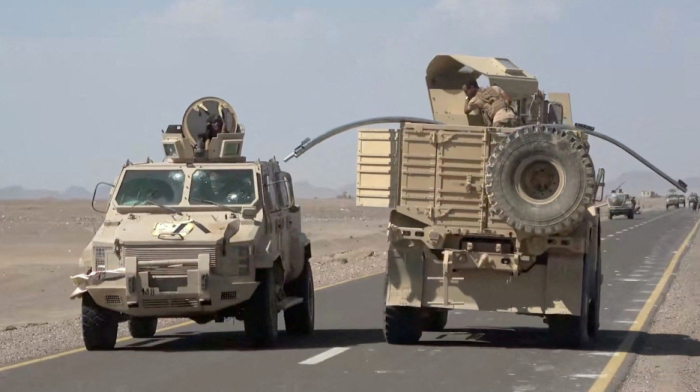
The Saudi-led coalition says it has carried out a series of military operations against Houthi targets in Yemen after attacks on two Saudi airports left three people dead and dozens injured.
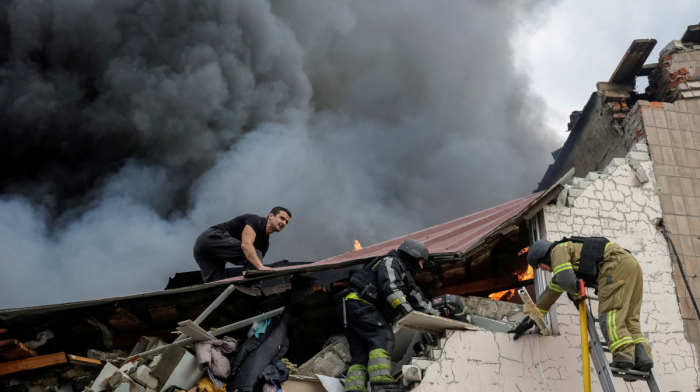
A large Ukrainian drone attack on Moscow and the surrounding region has killed two people, damaged homes and sparked a major fire at a key fuel facility, according to Russian officials and military bloggers.
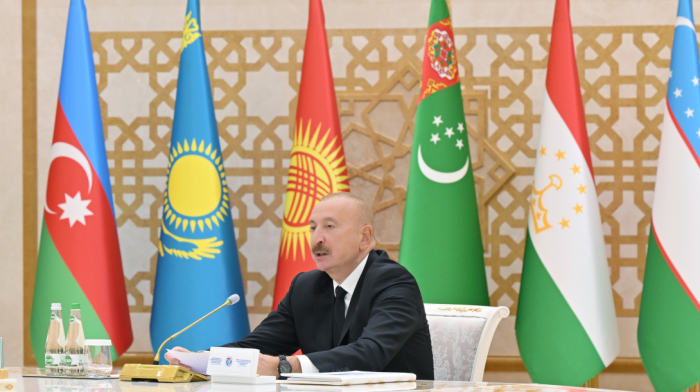
Azerbaijan and the five Central Asian states have signed two key documents at the 8th Consultative Meeting of Heads of State in Turkmenbashi, formalising a broader framework for regional cooperation in transport, trade, energy, digitalisation and security.
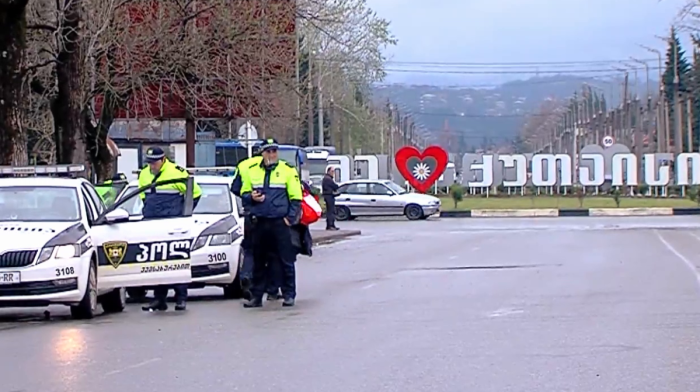
Georgia has detained a man who planned to sell uranium-238 to a foreign national for $700,000, the national security service said on Wednesday.
Azerbaijan and the five Central Asian states have signed two key documents at the 8th Consultative Meeting of Heads of State in Turkmenbashi, formalising a broader framework for regional cooperation in transport, trade, energy, digitalisation and security.
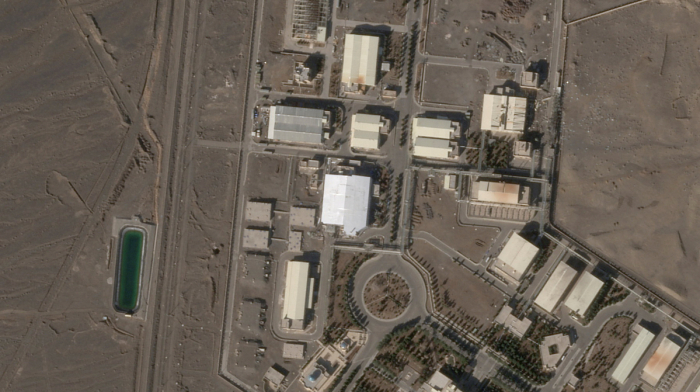
U.S. Vice President JD Vance told Reuters on Monday (5 October) that Iran must make a “meaningful” reduction in its uranium enrichment capacity to satisfy U.S. demands and end the countries' seven-month war.
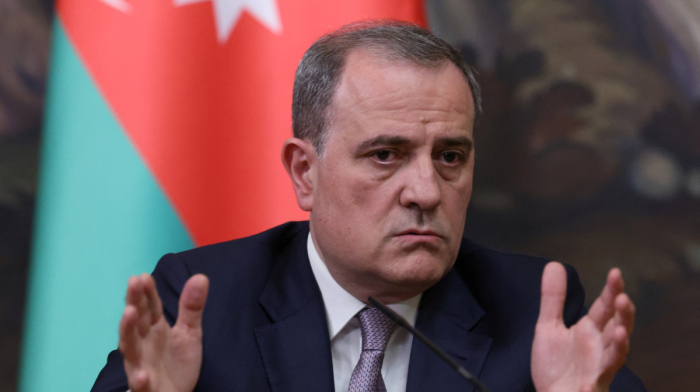
Azerbaijan’s Foreign Minister Jeyhun Bayramov has called for further integration of infrastructure between regional countries to bolster the Middle Corridor trade and logistics network.
The Saudi-led coalition says it has carried out a series of military operations against Houthi targets in Yemen after attacks on two Saudi airports left three people dead and dozens injured.
You can download the AnewZ application from Play Store and the App Store.




What is your opinion on this topic?
Leave the first comment