U.S. and China at odds over Middle East war and Hormuz strategy
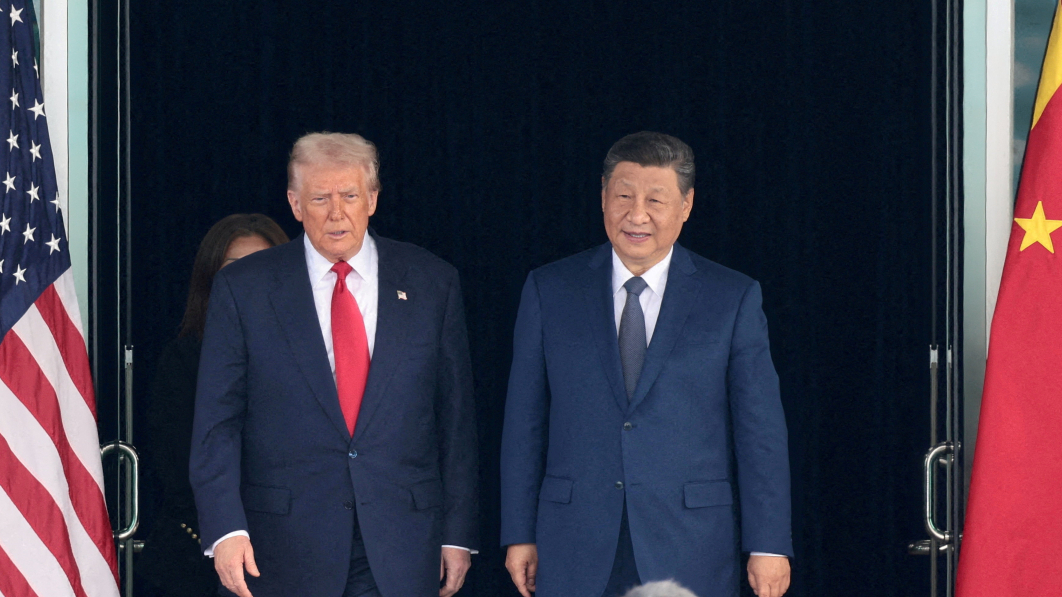
U.S. President and Chinese President walk as they leave after a bilateral meeting at Gimhae International Airport in Busan, South Korea, 30 October, 2025.
The war in the Middle East is exposing deeper tensions between the United States and China, particularly over control of global energy routes. As the Strait of Hormuz becomes a focal point, both powers are revealing sharply contrasting strategic priorities.
Washington has pushed for an international naval coalition to secure the passage, framing it as a shared global responsibility. Beijing, however, has adopted a more cautious stance, refusing to deploy warships and instead calling for an immediate halt to military operations.
China has extended emergency aid to Iran, Lebanon, Jordan and Iraq as the conflict worsens, while Beijing and Moscow have called for talks amid rising tensions.
Speaking to AnewZ, Andrew Leung, an international and independent China strategist, stressed Beijing’s position: “This war is not China’s war… China wants to keep the oil flowing, does not want the region destabilised, but it is not sufficient to coerce China into becoming involved.”
Leung noted that China’s energy imports are diversified and that Beijing prefers diplomacy and stability over military involvement. He also highlighted broader geopolitical calculations, arguing that China is focused on protecting its economic interests rather than aligning with U.S.-led military efforts.
Complexity of U.S.–China relations
Experts underline the long-standing complexities of bilateral ties, with one noting that “the relationship between the United States and China has had many ups and downs”, shaped by disputes over trade, technology and regional influence.
Professor Ivani Vassoler added that the conflict has also affected President Trump’s planned visit to Beijing, explaining that the trip was postponed because of “events in the Middle East, particularly the war on Iran”, illustrating how immediate crises intersect with long-term diplomatic priorities.
As the conflict continues, both countries are walking a fine line, balancing strategic interests, global responsibilities and the risks of deeper confrontation. The crisis is no longer just about the Middle East, but also reflects a broader power struggle between Washington and Beijing.
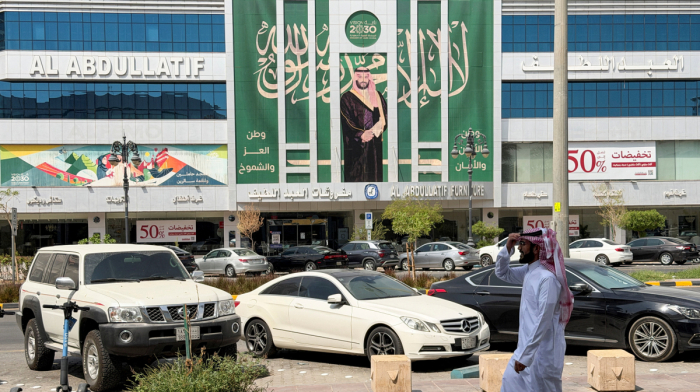
The U.S. has banned government employees working in Saudi Arabia from using airports in the country without special authorisation. It comes after a deadly Houthi strike on Riyadh's King Khalid International Airport killed at least 13 people last week.
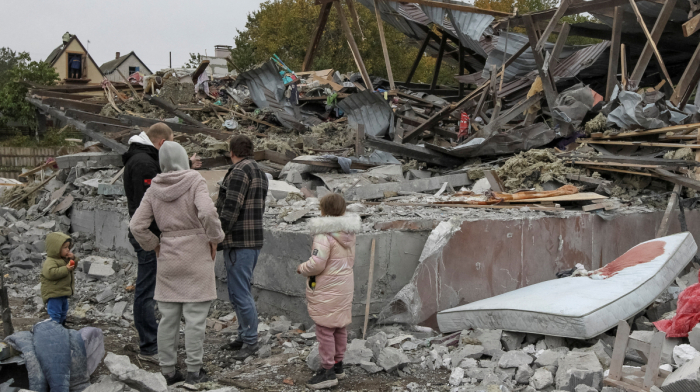
U.S. President Donald Trump has called it “a disgrace” that Ukraine has resumed attacks on Russian oil refineries. Attacks are continuing from Russia and Ukraine as media reports say Ukraine has almost run out of Patriot interceptor missiles.
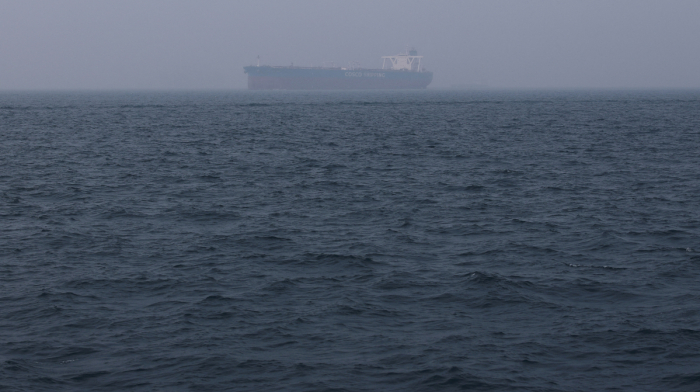
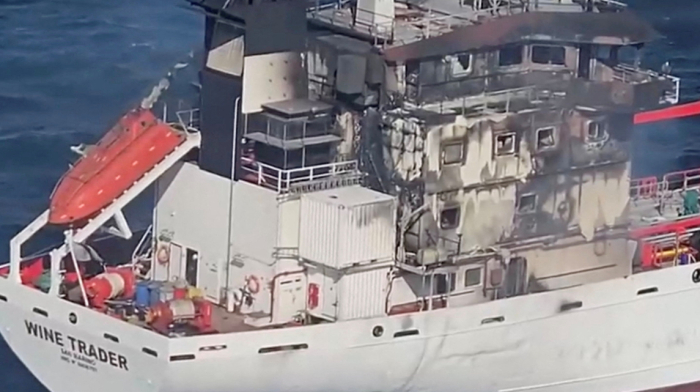
An unknown projectile struck a tanker 68 nautical miles northeast of Saudi Arabia on Friday according to a report released by the United Kingdom Maritime Trade Operations (UKMTO) on Saturday.
Nationwide protests are set to begin in France on Saturday with students, trade unionists and remnants of the Yellow Vest movement expected to demonstrate against rising living costs amongst others.
Romanian rescuers resumed their search for seven missing sailors on Friday (16 October) after a drone strike set a chemical tanker ablaze near the country’s Black Sea coast. The attacks have raised fresh security concerns along a vital regional trade route.
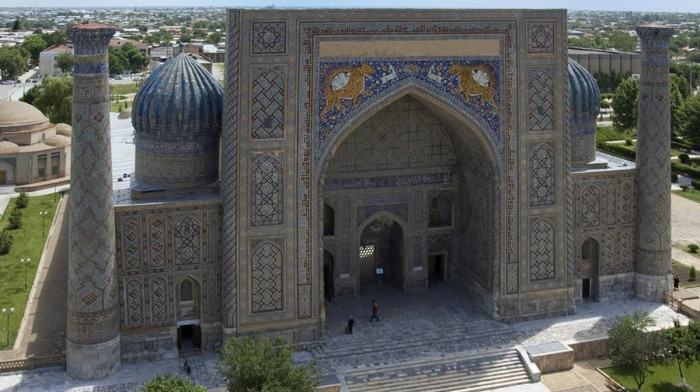
Uzbekistan welcomed 10.3 million foreign tourists in the first nine months of 2026, up 20.4 per cent year-on-year, as the Central Asian nation pushes towards its ambitious goal of attracting 20 million visitors annually by 2030.
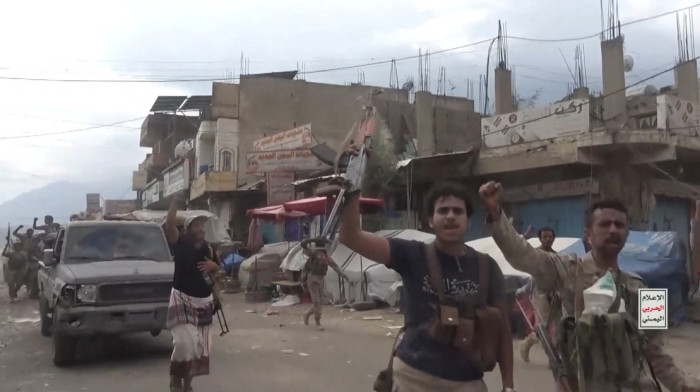
In an interview with AnewZ’s Sabir Safarov, Houthi-aligned journalist Hussain al-Bukhaiti warns of possible attacks on Saudi Arabia’s water and power infrastructure, dismisses concerns over global trade and acknowledges Iranian assistance in developing the group’s missiles.
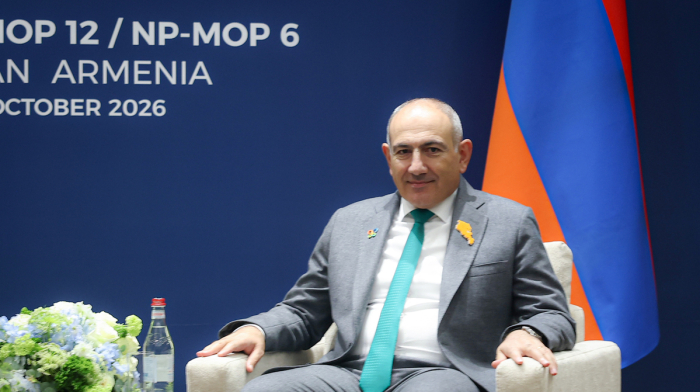
Armenia is looking to turn shared environmental challenges into opportunities for regional cooperation, with Prime Minister Nikol Pashinyan highlighting the potential for stronger ties with neighbouring countries through biodiversity protection.
Student organisations, opposition groups and youth-led activists took to the streets in Patna and Mumbai on Friday (16 October), demanding the resignation of India's Chief Election Commissioner, Gyanesh Kumar, amid a row over changes to voter lists.
The U.S. has banned government employees working in Saudi Arabia from using airports in the country without special authorisation. It comes after a deadly Houthi strike on Riyadh's King Khalid International Airport killed at least 13 people last week.
Download the AnewZ app
You can download the AnewZ application from Play Store and the App Store.













What is your opinion on this topic?
Leave the first comment