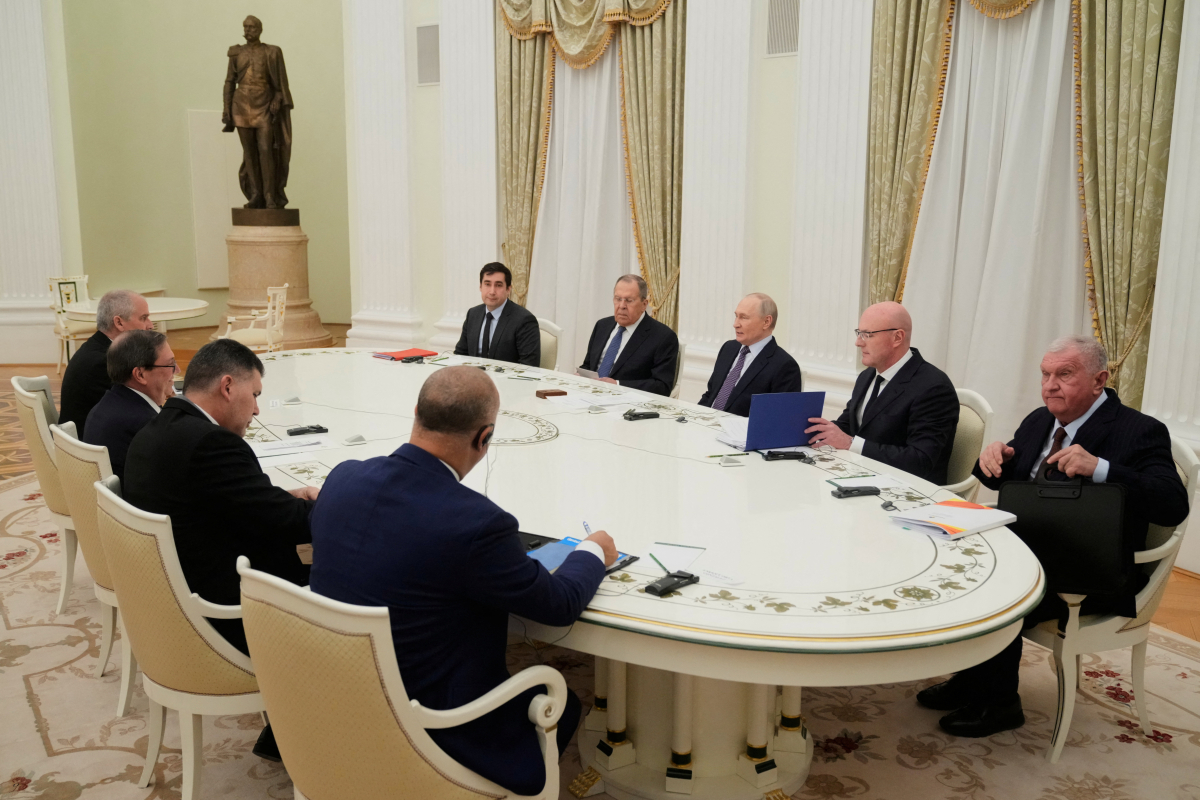
Russian President Vladimir Putin met Cuban Foreign Minister Bruno Rodriguez in the Kremlin on Wednesday, telling him that new restrictions imposed on the communist-run island were unacceptable.
Putin said Russia had “always stood by Cuba” and noted that the island was entering “a special period” of new restrictions, adding that Moscow’s foreign ministry held a “clear and unambiguous” position on the issue.
Russian state agencies said Putin used the meeting to stress that Moscow opposed the latest U.S. efforts to choke off fuel supplies to Cuba.
A senior Russian diplomat said last week that Moscow would extend assistance to Havana, including material aid, to help the country navigate what it calls a U.S. attempt to deny the island access to oil.
In a separate meeting, Foreign Minister Sergei Lavrov urged the U.S. not to move towards a full naval blockade and said Russia was advocating negotiations instead.
Kremlin spokesman Dmitry Peskov told TASS that Moscow had not discussed the Cuba issue with Washington, after Russia, Ukraine and the U.S. concluded trilateral talks in Geneva earlier on Wednesday.
Impact of the embargo hits daily life in Cuba
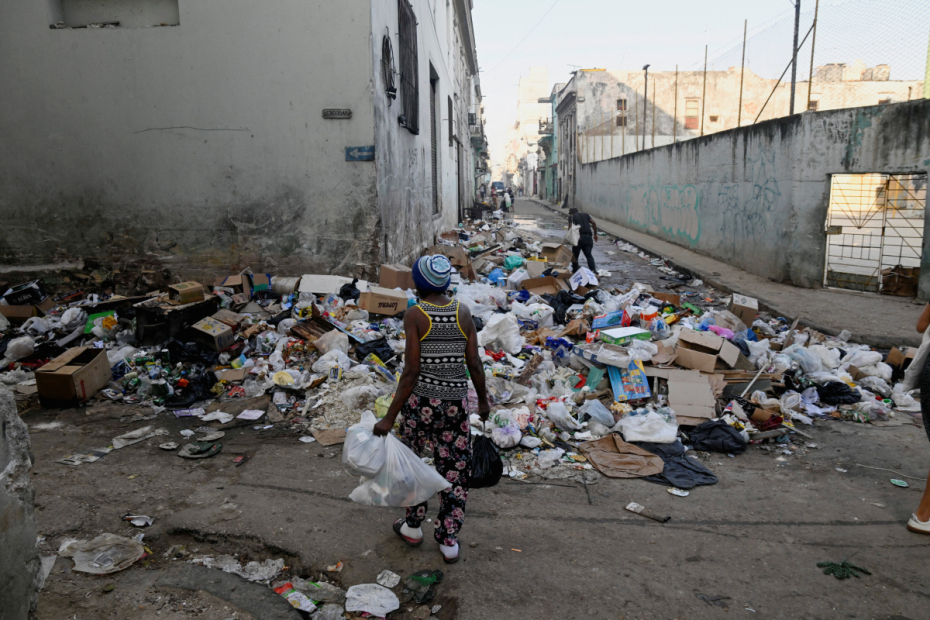
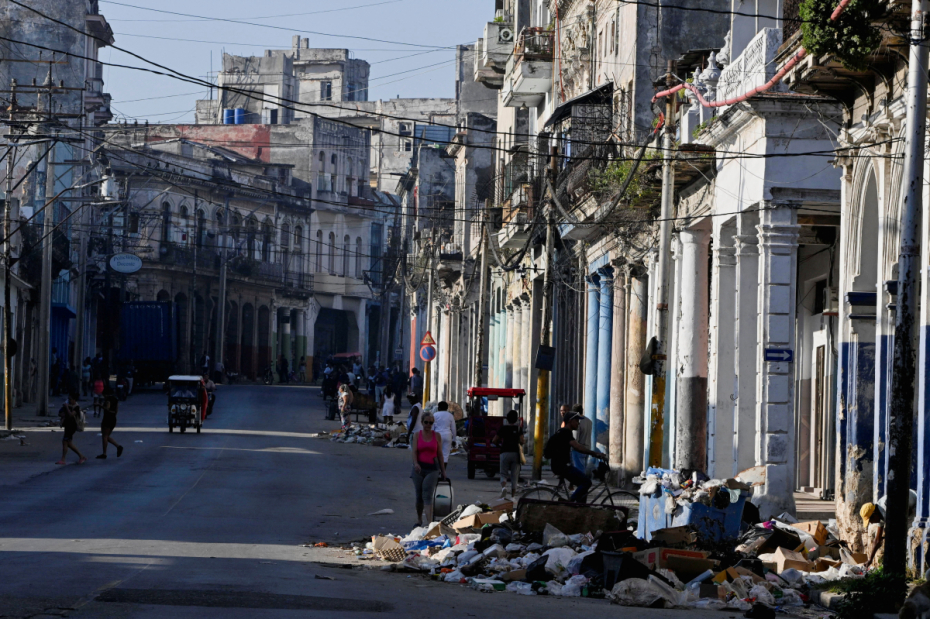
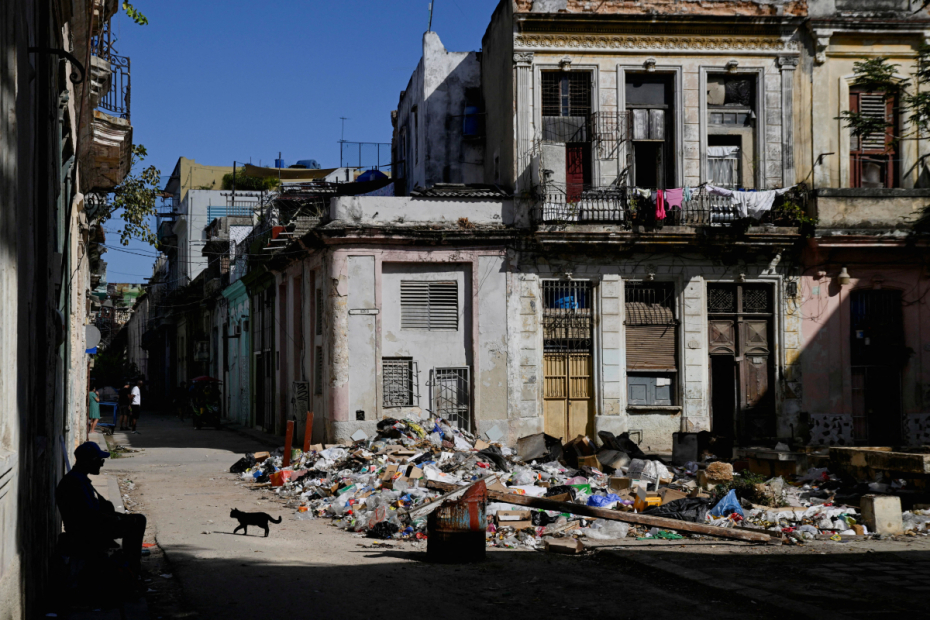
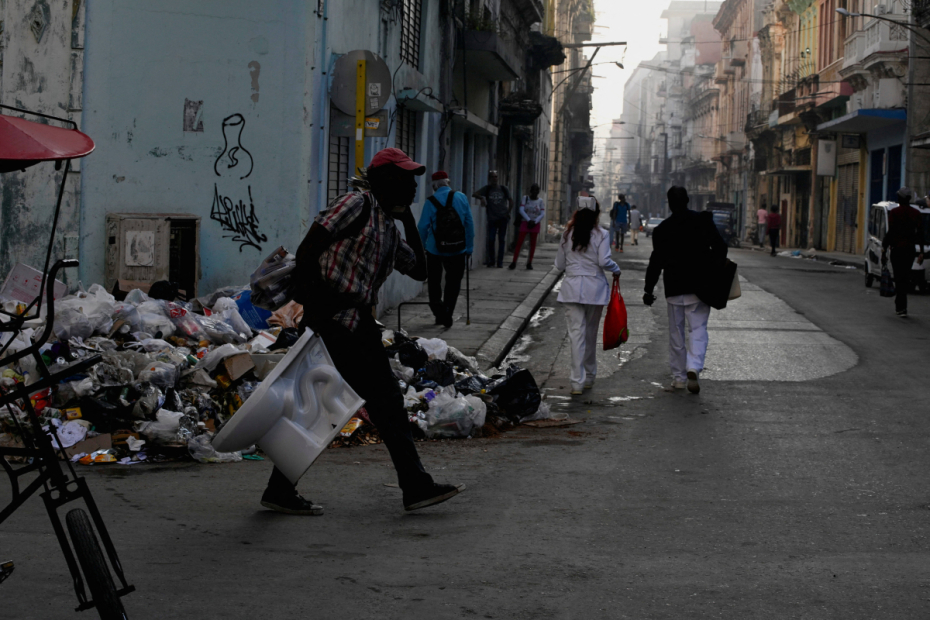
Fuel shortages are disrupting daily routines across Cuba, with Havana’s waste collection system among the first services to buckle.
State media said only 44 of 106 rubbish trucks remain operational, leaving piles of cardboard, plastic and household waste on street corners.
“It’s all over the city,” said resident Jose Ramon Cruz. “It’s been more than 10 days since a garbage truck came.”
Public-health warnings have spread beyond the capital as other towns report similar delays, while rationing measures have been introduced to protect essential services.
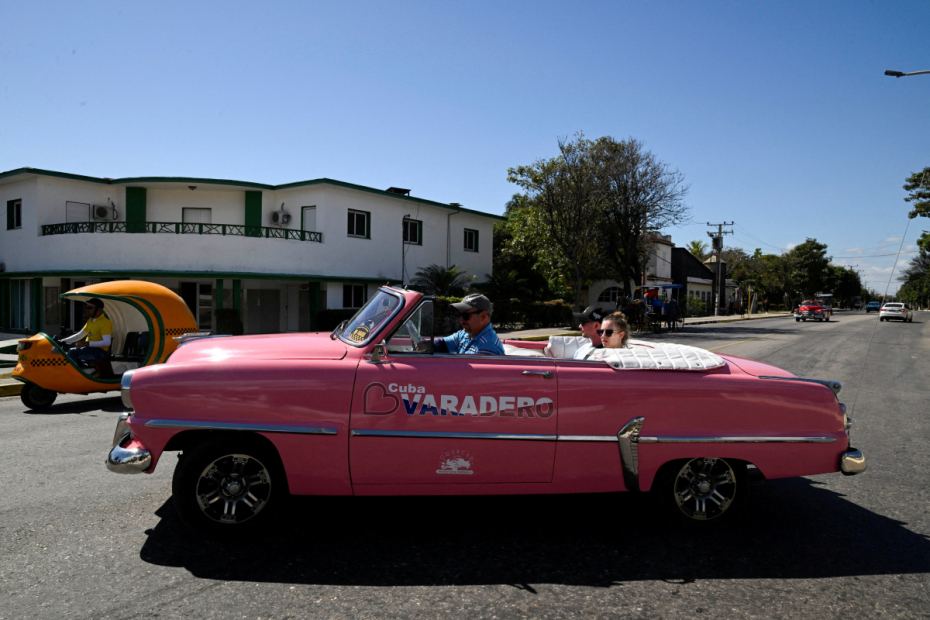
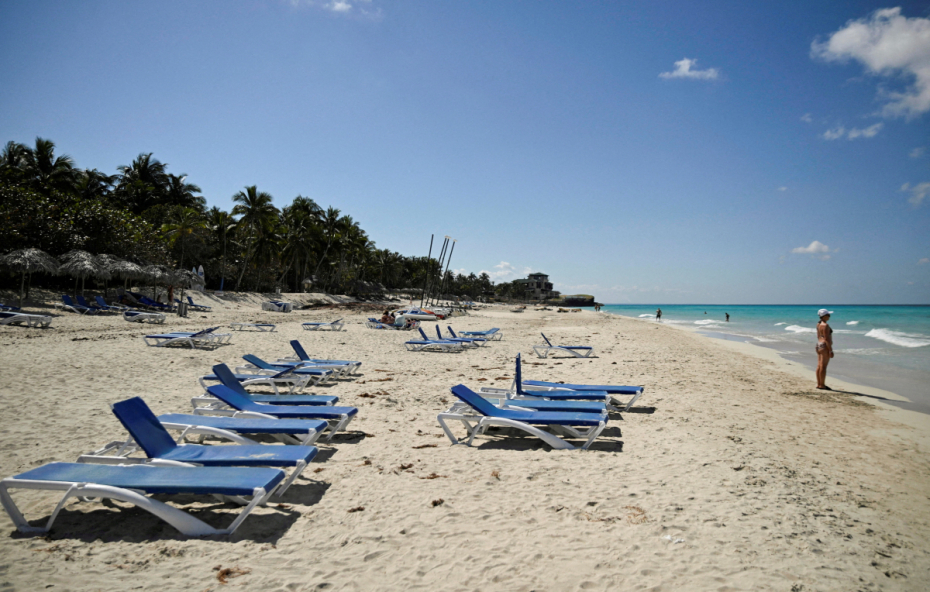
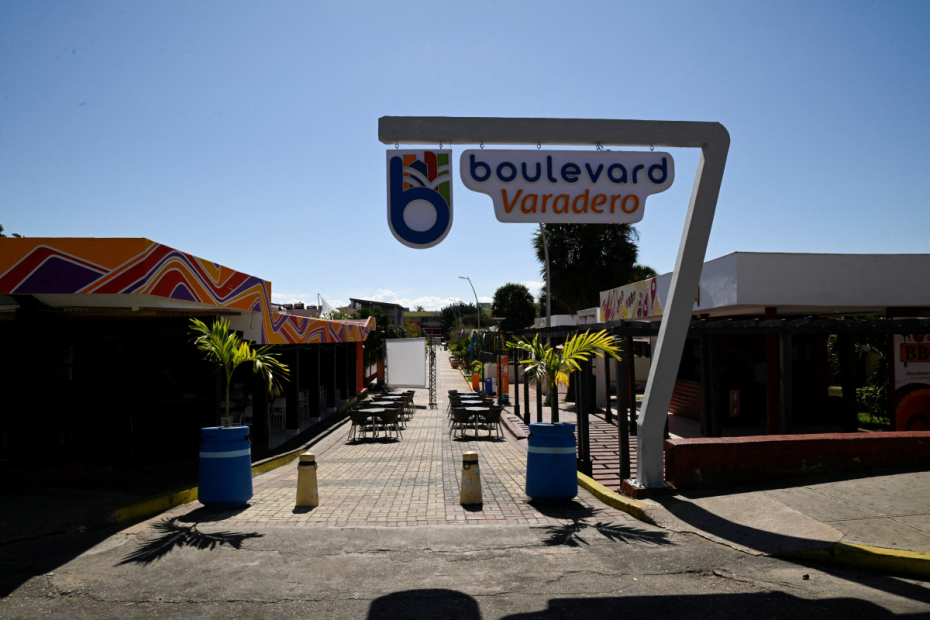
The crisis has also reached Cuba’s key tourism centres. In Varadero, normally a postcard image of white sand and turquoise water, beaches began to empty after Cuba announced on 8 February it was running out of jet fuel.
A Reuters survey found airlines, hotels and tour operators suddenly crippled by the shortage. Air Canada, WestJet and Transat have suspended flights, affecting more than 1,700 services through April, while Russia plans to fly its tourists home and pause all routes.
Hotel chains NH and Melia have already closed properties on the island.
Local tourism workers described mounting uncertainty. “Everything is beginning to fall apart,” said guide Alejandro Morejon, who has worked in Varadero since the 1990s.
Visitors reported anxiety over cancellations. “We’re just winging it, trying not to stress,” said Canadian traveller Tyler LaMountaine, concerned he could be stranded.
Even long-running tourist services are running out of fuel. “I have enough for one more day,” said driver Jorge Fernandez. “After that, it’s back home to invent something else to do.”
Cuba attracted just 1.8 million visitors in 2025, down from 2.2 million the previous year, and its lowest point in more than two decades.
Unite Nations Secretary-General Antonio Guterres has expressed concern about the humanitarian impact, and UN teams are working with Havana as the fuel shortage threatens to ripple across the wider economy.
Satellite imagery analysis cited by Bloomberg shows that night time light levels in major eastern cities such as Santiago de Cuba and Holguin have dropped by as much as 50% compared with historical averages.
Andy Martinez Gonzalez, a chef and resident of the Cuban capital, said that the economic situation “is becoming ever more critical” as blackouts caused by electricity shortages now last between “12 and 20 hours a day.”
Key fuel suppliers cut deliveries after U.S. pressure
Cuba’s fuel shortages deepened sharply after its two main suppliers halted deliveries.
Venezuela, once Havana’s top source of crude, stopped shipments in mid-December shortly after the U.S. captured former president Nicolas Maduro in January, ending a supply line that had long underpinned Cuba’s energy system.
Mexico, previously the second-largest supplier, also suspended cargoes early February after Washington threatened tariffs on any nation sending fuel to the island.
The simultaneous loss of both partners left Cuba with rapidly dwindling reserves and heightened reliance on emergency imports as the embargo tightened.
Trump urges Havana to 'make a deal'
U.S. President Donald Trump has defended the tightening of restrictions, calling Cuba “a failed nation” and describing the fuel blockade as a necessary pressure tool. He said Washington was speaking with Havana and that Senator Marco Rubio was also involved, urging Cuba’s leadership to “make a deal” to address what he called “a humanitarian threat.”
Cuban President Miguel Diaz-Canel has said Havana is willing to talk but only under conditions of equality.
“Cuba is willing to engage in dialogue with the United States,” he told national and international media, stressing that any negotiations must occur “without pressure, without preconditions, on an equal footing, and with respect for our sovereignty, independence and self-determination.”
He added that “Cuba is not a terrorist country,” noting that the only foreign military base on the island is the one operated by the United States at Guantánamo Bay.
The United States first placed Cuba on the State Sponsors of Terrorism list in 1982, removed it in 2015 under the Barack Obama presidency, and re-designated it in January 2021 during the final days of Trump’s first administration.
The White House on Wednesday said it believed it was in Cuba’s “best interest to make very dramatic changes very soon,” with Press Secretary Karoline Leavitt telling reporters the country was “collapsing” but stopping short of calling for a change in leadership.
She said the U.S. wanted to see “flourishing and prosperous democracies” across the Western Hemisphere, without detailing what steps Washington might take.
History of the U.S. embargo
The U.S. embargo on Cuba dates back to 1960, when Washington first imposed trade restrictions after the revolutionary government nationalised American-owned property on the island.
The measures were expanded in 1962 under President John F. Kennedy, creating a near-total economic embargo that remains in place today.
Over the decades, successive U.S. administrations adjusted its scope, adding financial and travel restrictions and targeting sectors linked to state revenue.
The 1996 Helms-Burton Act codified the embargo into law, requiring congressional approval for its full repeal.
Although some limits were eased during the Obama administration, the embargo tightened again from 2017, with new sanctions on shipping, banking and energy supplies since then.
The UN has repeatedly voted for the embargo to be lifted, arguing it deepens economic hardship for ordinary Cubans, but the core measures remain intact as Washington continues to link any major shift to political changes in Havana.











What is your opinion on this topic?
Leave the first comment