Mexico is assessing whether it can resume fuel deliveries to Cuba without triggering U.S. tariffs, as both sides hold frequent talks and Havana warns of worsening shortages.
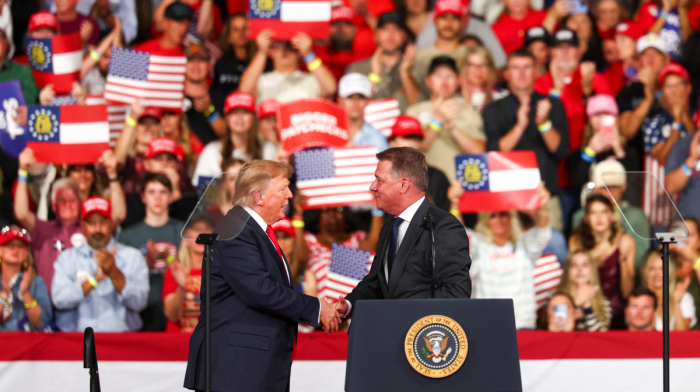
Mexican officials are exploring whether fuel can still reach Cuba without activating tariff measures set out by Donald Trump, according to four people familiar with the talks.
One source described near-daily exchanges, saying: “There are talks happening almost every other day” as Mexico tries to understand how the executive order would be applied.
The source added: “Mexico doesn’t want tariffs imposed but it is also firm in its policy of helping the Cuban people.”
The White House pointed to Trump’s earlier comment that Mexico “would stop sending oil to Cuba”, though he did not explain the basis for that claim.
Washington’s broader position remains unclear, with no responses from the U.S. State Department or the Mexican presidency. Mexico’s Foreign Ministry said it had no information.
Cuban shortages deepen after loss of Venezuelan supply
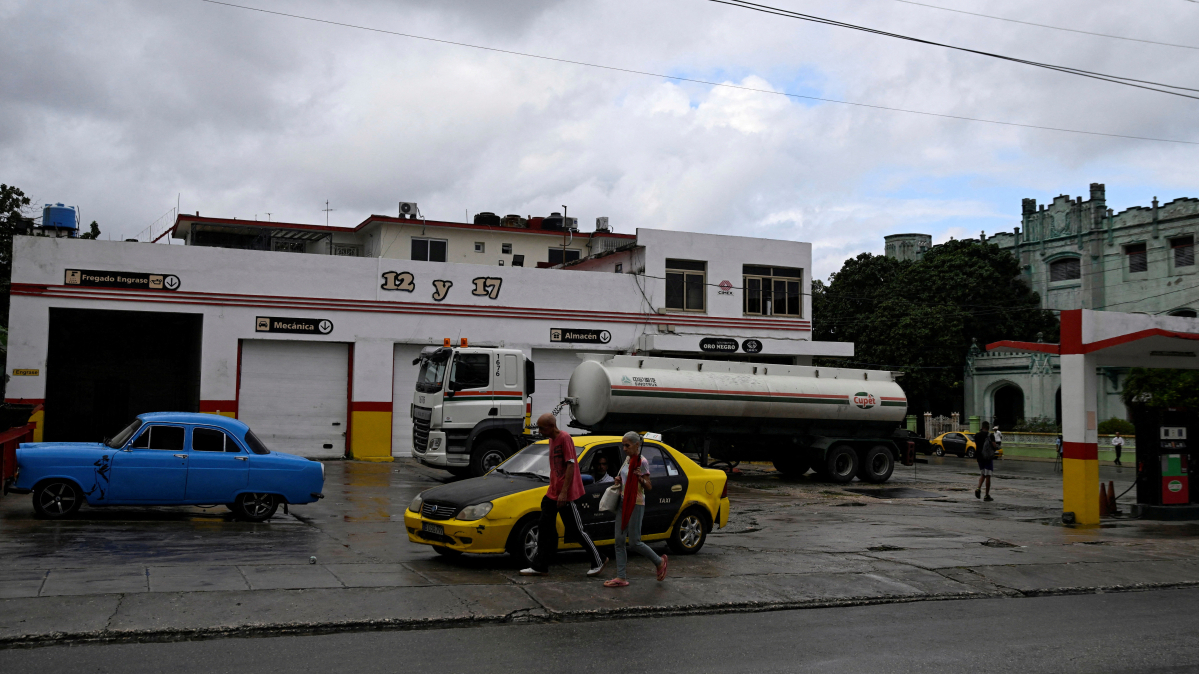
Fuel imports make up most of Cuba’s energy supply and shortages have intensified after shipments from Venezuela were halted following U.S. actions targeting tankers and the detention of Nicolas Maduro.
Mexico had become the island’s main supplier before suspending exports in mid-January under pressure from Washington.
Cuban authorities said on Thursday they were preparing a response plan for “acute fuel shortages,” with details expected next week.
At the UN, Secretary-General António Guterres warned that the island risked a humanitarian “collapse” without new supplies.
Political pressure builds inside Mexico
Mexico’s ruling Morena movement continues to emphasise historical ties with Cuba and President Claudia Sheinbaum faces growing pressure not to abandon Havana.
Three of the four sources said they believed talks with Washington were moving forward.
Two added that Mexico could dispatch a tanker carrying gasoline, food and other items listed as humanitarian aid within days if an understanding is reached.
Sheinbaum said last Friday that “imposing tariffs on countries that supply oil to Cuba could trigger a far-reaching humanitarian crisis, directly affecting hospitals, food and other basic services for the Cuban people.”
She added that the situation “must be avoided through respect for international law and dialogue.”











What is your opinion on this topic?
Leave the first comment