Mexico has dispatched fresh humanitarian shipments to Cuba as fuel shortages deepen under renewed U.S. pressure, while Canada prepares assistance of its own.
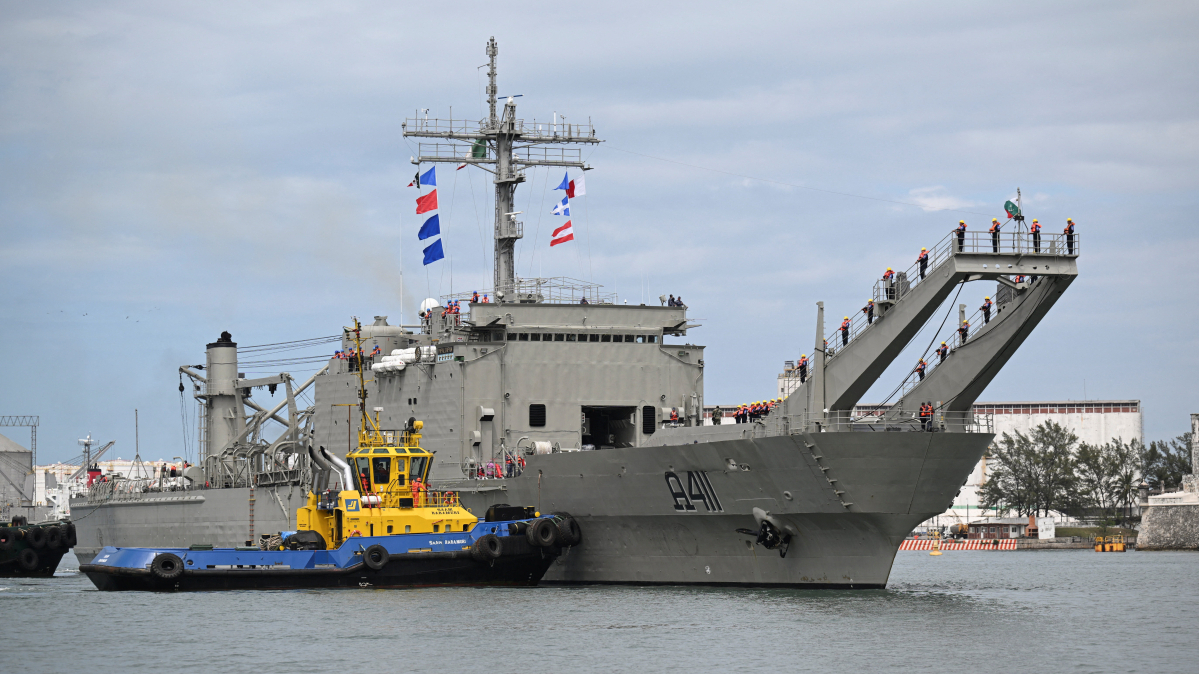
Two additional humanitarian aid vessels left the port of Veracruz on Tuesday, 24 February, carrying a combined 1,193 tonnes of provisions to the island. The logistics support ships Papaloapan and Huasteco are transporting beans, powdered milk and other essential goods, according to the newspaper El Universal.
The shipment includes 23 tonnes of humanitarian supplies collected by civil society groups with logistical support from the Mexico City government. The goods were gathered at a centre established in the capital’s Historic Centre and represent the first delivery from that initiative.
Officials said the voyage to Cuba is expected to take around four days. More than 350 naval personnel are involved in the operation, which also includes a crane and five forklifts to manage loading and unloading.
The latest deployment brings the total volume of aid sent under the administration of Claudia Sheinbaum to 814 tonnes, underscoring Mexico’s continued commitment to supporting Cuba’s humanitarian needs.
Mexico, previously the island’s second-largest fuel supplier, suspended cargoes in early February after Washington threatened tariffs on any country sending fuel to Cuba.
U.S. pressure
President Donald Trump, emboldened by the U.S. military’s seizure of ousted Venezuelan President Nicolas Maduro during a deadly raid in January, has repeatedly spoken of taking action against Cuba and intensifying pressure on its leadership.
The United States has begun intercepting oil shipments bound for Cuba, targeting operators including Mexico’s state energy firm Pemex. Governments involved have been warned they could face tariffs if they fail to comply.
Trump has said that “Cuba will be failing pretty soon,” noting that Venezuela, once the island’s main supplier, has not recently sent oil or financial support. The Trump administration maintains that its measures are designed to increase pressure for political change in Cuba.
White House press secretary Karoline Leavitt said it was in Cuba's "best interest to make very dramatic changes very soon."
The U.N. human rights office has said the U.S. raid in which Maduro was seized violated international law. Human rights experts have also argued that Trump’s approach to Venezuelan oil and pressure on Cuba reflects an imperial-style strategy.
Canada prepares assistance
Canada, another neighbour of the U.S., said on Monday, 23 February, that it plans to provide assistance to Cuba as the island grapples with severe energy shortages linked to U.S. restrictions on oil supplies.
“We are preparing a plan to assist. We are not prepared at this point to provide any further details of an announcement,” Canadian Foreign Minister Anita Anand said.
The U.N. has warned that unmet energy needs could trigger a humanitarian crisis. Canada said last week that it was monitoring the situation closely and was concerned about “the increasing risk of a humanitarian crisis” on the island.
Relations between Washington and Ottawa have also been strained under President Trump amid disputes over trade tariffs and his rhetoric regarding Greenland.












What is your opinion on this topic?
Leave the first comment