A technical team from the United States Federal Bureau of Investigation (FBI) has touched down in Cuba this week to launch an "independent investigation" into a deadly maritime shootout that happened on 25 February.
The U.S Embassy in Havana on Wednesday confirmed the diplomatic deployment following an incursion involving 10 Cuban exiles accused of provoking a deadly shootout at sea with the island`s border patrol.
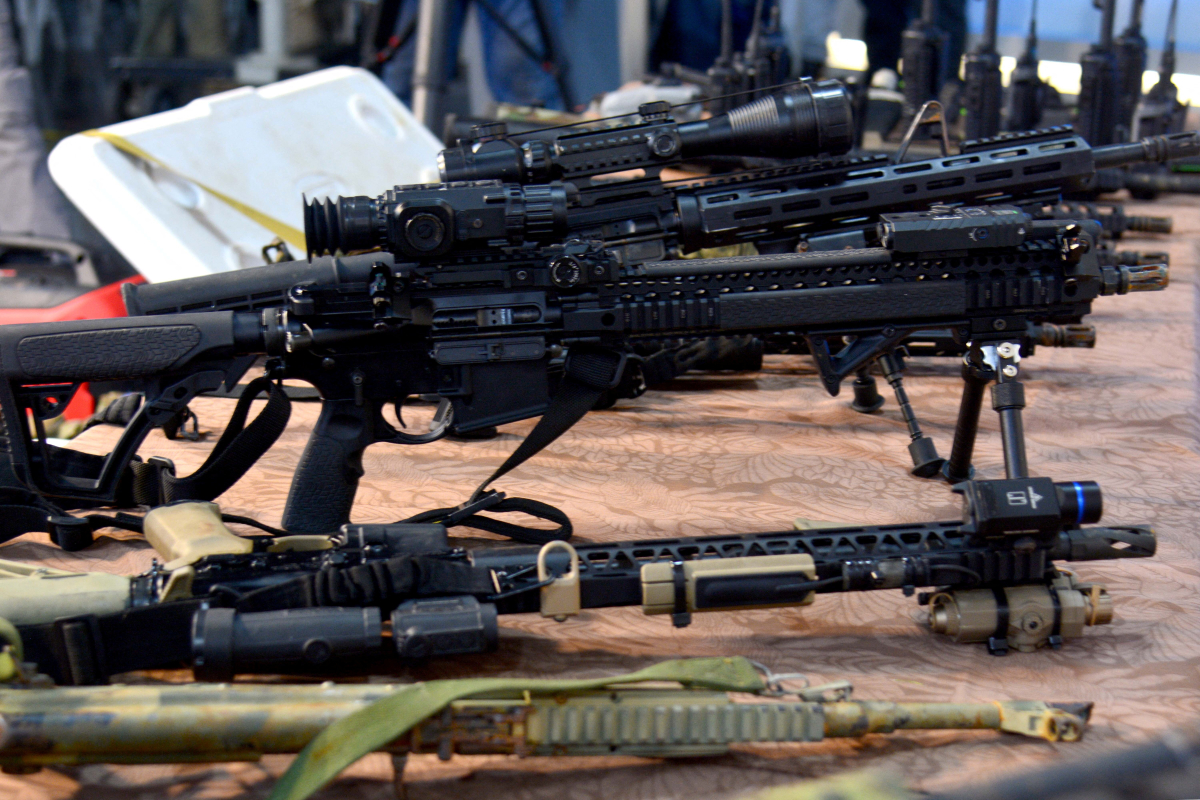
Havana has said that the nationals tried to enter Cuba by speedboat at night, armed with nearly 13,000 rounds of ammunition, 13 rifles and 11 pistols.
Five were killed in the shootout that ensued. The others, who were wounded, were taken in to Cuban custody and received medical attention, Cuba said.
The U.S. Embassy said in a statement the FBI trip to Cuba was part of a "thorough and independent investigation" into the incident.
An embassy official told Reuters the U.S. would verify Havana's version of events.
"Consistent with U.S. policy, we do not make decisions in the United States on the basis of what Cuban authorities are saying," the official said. "We will independently verify the facts and make decisions based solely on U.S. interest, U.S. law, and the protection U.S. citizens."
The incident represents one of the most serious security breaches on the Cuban coastline in decades.
Maritime encounter
The group, which had navigated across the Florida Straits, was intercepted approximately one nautical mile off a remote channel on the island's northern coast, roughly 160 kilometres south of Marathon, Florida.
A Cuban patrol consisting of five border guard members on a nine-metre boat spotted the incoming vessel.
According to Havana, the infiltrators opened fire unprovoked from a distance of 185 metres, striking the Cuban patrol captain in the abdomen. The wounded captain reportedly remained at the helm and steered his vessel toward the speedboat, closing the gap to a mere 20 metres before a firefight ensued, officials said.
Five on the speedboat were killed and the remaining five, who sustained various injuries, were immediately taken into Cuban custody.
The FBI's presence on sovereign Cuban soil to investigate a national security incident is unusual and underscores Washington's pressing need to determine if U.S. export or neutrality laws were violated by individuals operating out of Florida.
Geopolitical fallout and the U.S. oil blockade
Tensions between the two countries have soared to a high level since January 2026, when U.S. President Donald Trump initiated a dramatic escalation of his "maximum pressure" campaign against socialist governments in Latin America.
The catalyst was the U.S. capture and ousting of Venezuelan President Nicolas Maduro on 3 January. Maduro's government had been Cuba's most crucial political and economic benefactor, supplying the island with heavily subsidised crude oil. Immediately following the Venezuelan operation, the Trump administration capitalised on Havana's vulnerability by imposing a virtual, secondary-sanctions oil blockade on Cuba, plunging the nation into severe energy shortages and economic paralysis.
The speedboat incursion has been seized upon by Cuban authorities as proof of an impending, U.S.-backed destabilisation plot. Cuba’s state prosecutors have declared that the assailants were radicalised Cuban exiles residing in the United States, noting that several individuals among the group had been previously identified by Havana as accused terrorists.
The Communist government alleges that the men departed from the Florida coast with the explicit intent to exploit the current economic misery, attack regional military units, and sow widespread civilian chaos to precipitate a collapse of the regime.
High-ranking U.S. officials have publicly denied complicity. U.S. Secretary of State Marco Rubio, a Cuban-American politician who has long advocated for regime change in Havana, issued a firm statement clarifying that the speedboat incursion was an independent, rogue operation.
Rubio categorically denied that any U.S. government personnel, intelligence assets, or military operatives were involved in funding, training, or launching the doomed expedition.












What is your opinion on this topic?
Leave the first comment