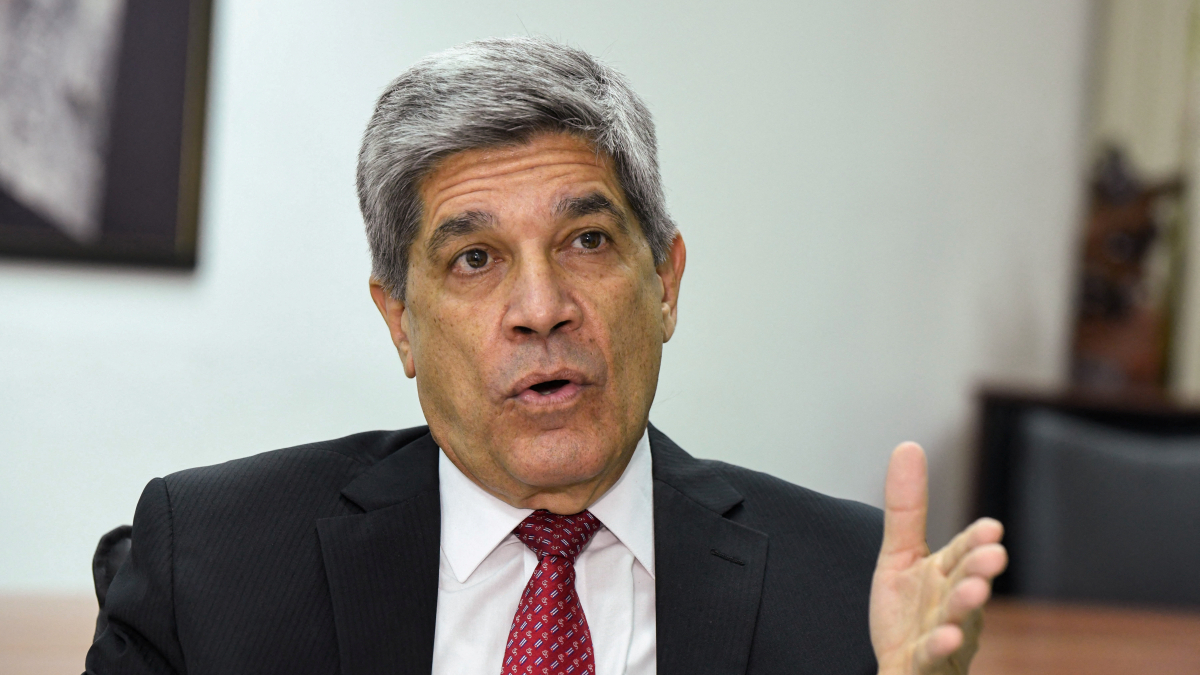
Cuba’s Deputy Foreign Minister Carlos Fernández de Cossío has denied that Havana and Washington have entered formal negotiations, countering recent assertions by U.S. President Donald Trump, while saying the island is open to dialogue under certain conditions.
Cossío said that despite recent tensions, including a U.S. decision to impose tariffs on goods from countries supplying oil to Cuba, there is currently no negotiation process underway between the two governments.
“We’re not talking specifically about negotiation yet,” Cossío said. “That’s another issue. We are open to dialogue. If we can have a dialogue, maybe that can lead to negotiation.”
Cossío emphasised that while Cuba is prepared for informal talks aimed at respectful coexistence, certain matters remain non-negotiable. Among these, he cited the country’s constitution, socialist system of government and economic model as red lines.
He added that Cuba poses no threat to the United States and reiterated Havana’s desire for normal bilateral relations similar to those it maintains with other nations.
On the streets of Havana, residents voiced growing concern over daily hardships, while expressing cautious hope that dialogue could ease the situation.
“I would like there to be a dialogue between Cuba and the United States so that things can be sorted out, so that we as Cubans don’t have to go through what we are going through now — the lack of oil, electricity, and those things,” said Havana resident Orlando Estrada.
Another resident, Luis Alberto Gonzalez, said talks were both possible and necessary, despite longstanding tensions.
“There could be a dialogue between Cuba and the United States,” he said. “As long as it is peaceful, talking and reaching an agreement that is possible for both — but that depends a lot on what happens here, and also on Donald Trump.”
Fuel shortages have left long queues at petrol stations across the capital, while many stations remain closed. The uncertainty over future supplies has heightened anxiety among residents.
“Everyone is concerned,” said Eulogio Wals, another Havana resident. “If Venezuela isn’t sending fuel, and Mexico isn’t sending it, who is going to send it? China and Russia are far away and have always supplied very little. Of course it’s worrying.”
Some Cubans expressed a more pessimistic outlook, warning that conditions could deteriorate further.
“The situation has gotten much worse,” said Masiel Serguera. “It’s been bad for a long time, but it keeps getting worse. The time will come when we won’t have electricity, gasoline, or even gas for cooking.”
The comments follow President Trump’s 30 January executive order imposing tariffs on products from nations supplying oil to Cuba, part of a broader push to tighten economic pressure on the island. Shortly afterwards, Trump had said talks with Cuba were beginning and expressed optimism about reaching a deal.
Cossío’s interview makes clear that, despite Washington’s statements, no formal dialogue or negotiations have yet taken place. He stressed that Cuba is willing to engage in discussion but only on terms it considers respectful and reciprocal.
Cuba’s economy has been weakened by U.S. sanctions and disruptions to Venezuelan oil shipments, contributing to mounting economic pressures on the island.










What is your opinion on this topic?
Leave the first comment