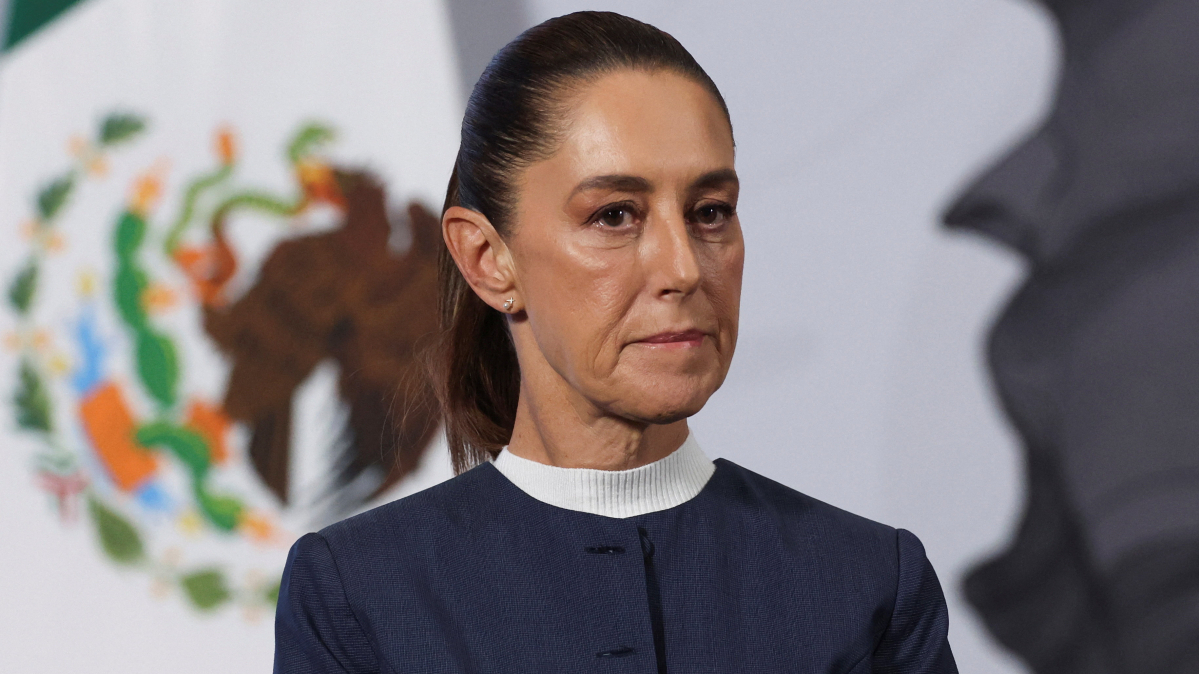
President Claudia Sheinbaum said Mexico does not want to face U.S. tariffs, but will still look for ways to support Cuba through diplomatic channels.
She warned that cutting off supplies risks a serious humanitarian impact on the island, affecting transport networks, hospital operations and access to food.
She reiterated that decisions on oil shipments are a matter of national sovereignty, yet acknowledged that Mexico’s economic dependence on exports to the U.S. makes the country vulnerable to tariff pressure.
She declined to say whether shipments to Cuba would be reduced, noting only that they account for around 1% of Mexico’s production and that her government is examining alternative forms of assistance.
Cuba’s foreign minister Bruno Rodriguez described the U.S. measures as an "international emergency", calling the tariffs "an unusual and extraordinary threat" in a post on X.
Sheinbaum said she asked her foreign minister to contact the U.S. State Department to clarify the scope of the executive order.
She added that she spoke with President Donald Trump hours before the announcement, but he did not mention the plan to impose tariffs.
Data from 2024 showed that Gasolinas de Bienestar, a Pemex affiliate, exported 20,100 barrels per day of crude and 2,700 barrels of oil products to Cuba, a rise of 20% from the previous year, worth about $600 million.
Venezuela, once Cuba’s leading supplier, has not shipped crude or fuel for about a month as flows fell amid tightening U.S. restrictions even before the capture of Nicolas Maduro on 3 January.
















What is your opinion on this topic?
Leave the first comment