Mexican authorities said on Sunday that Nemesio Oseguera Cervantes, known as El Mencho and head of the Jalisco New Generation Cartel (CJNG), was killed during a military operation in the western state of Jalisco.
Several Mexican media outlets reported that the 59-year-old cartel leader was killed in Tapalpa, a cartel stronghold, though authorities have not released detailed operational information.
Four cartel members were killed and three soldiers were wounded according to authorities.
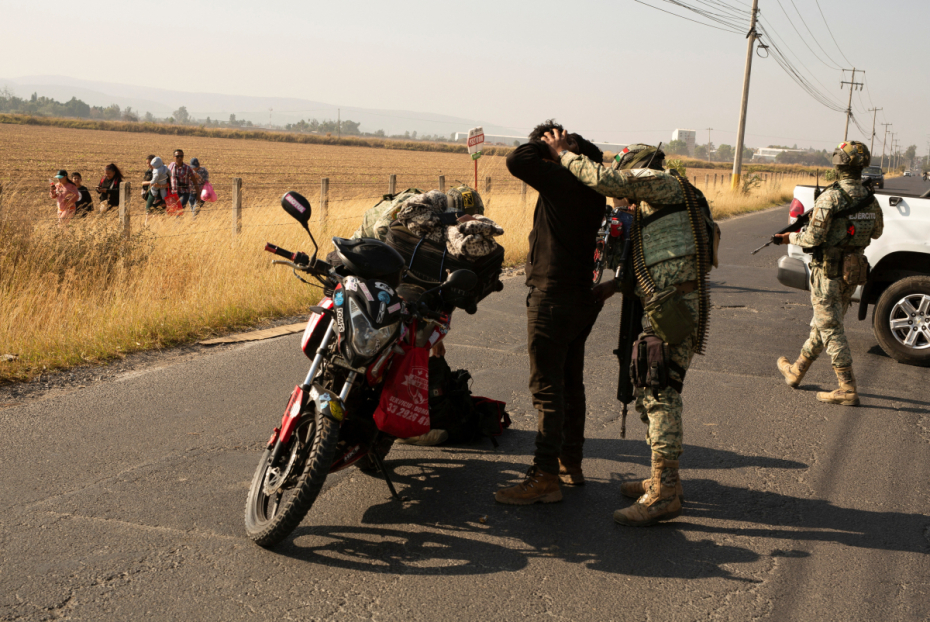
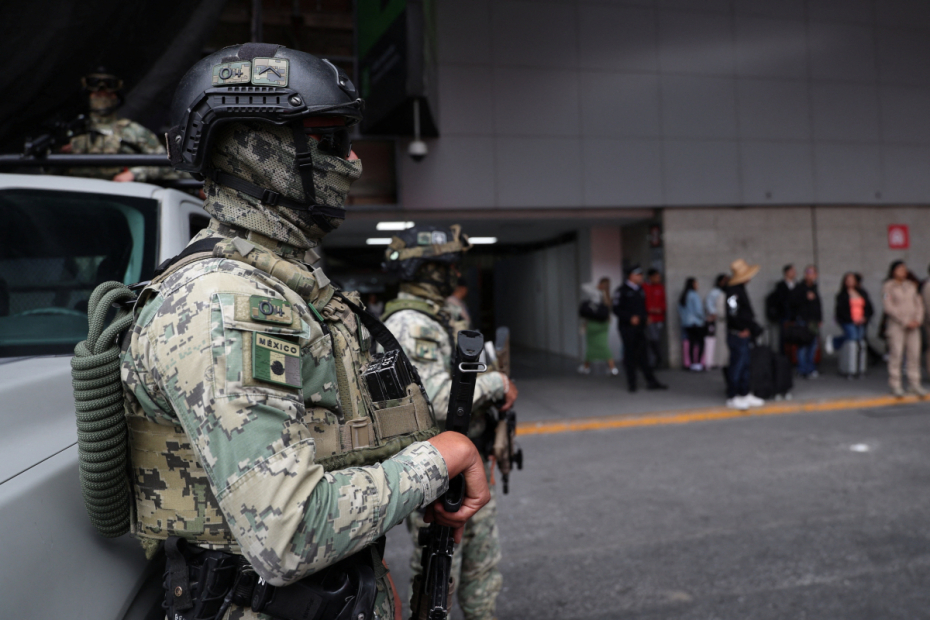
Mexico’s defence ministry said the mission was planned and carried out by special forces with support from Air Force aircraft and National Guard units. Officials said that armoured vehicles and heavy weapons, including rocket launchers, were seized. The Mexican Embassy in Washington said U.S. intelligence assistance supported the operation.
The U.S. State Department had offered a $15 million (£11.1 million) reward for information leading to his capture.
Cartel violence spreads after operation announcement
The operation triggered unrest in several areas where the cartel is active.
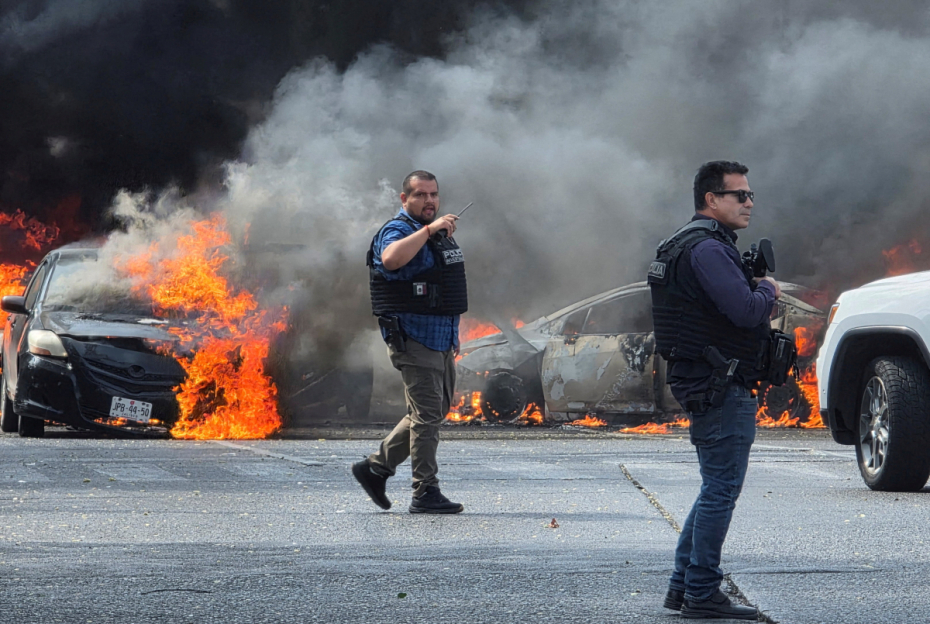
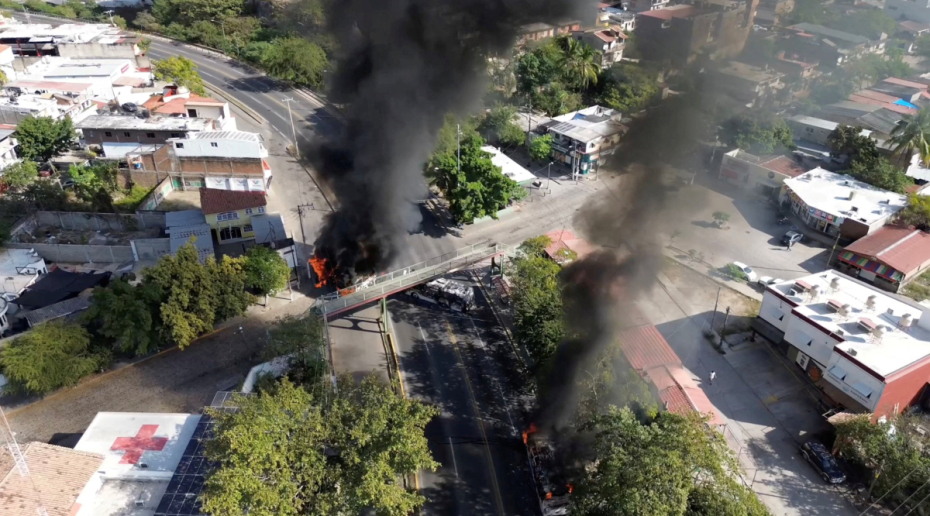
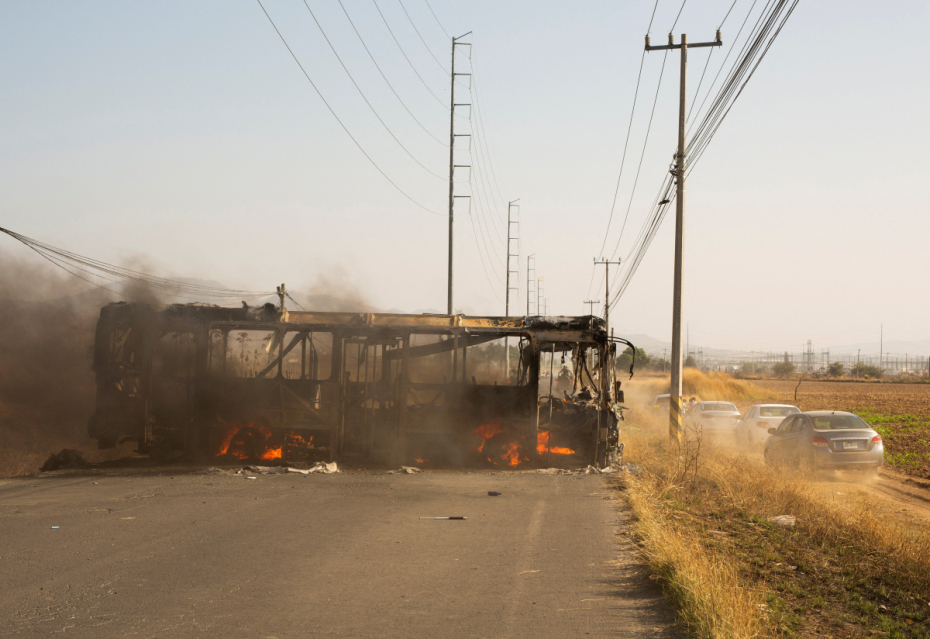
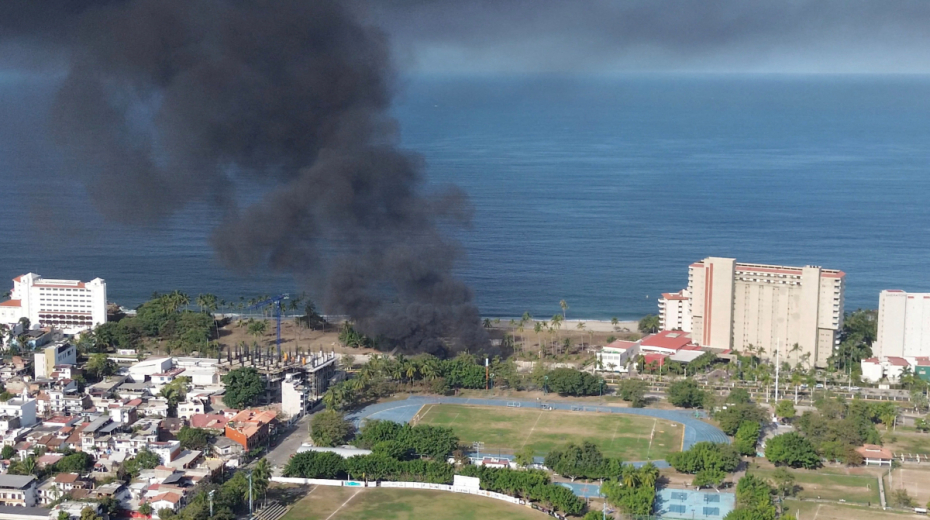
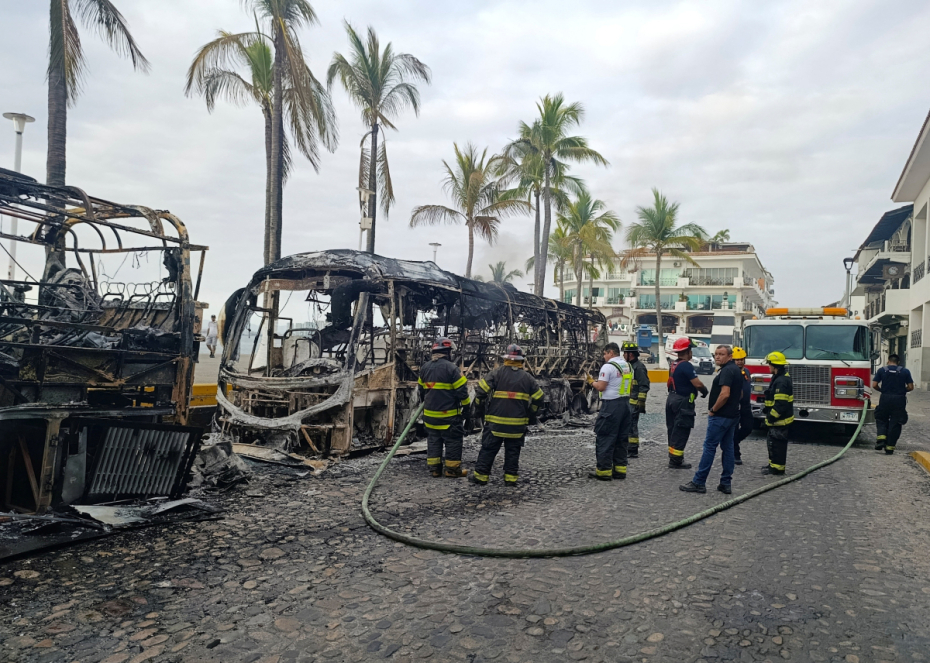
Road blockades were reported in Jalisco, Guanajuato, Nayarit, Michoacán and Tamaulipas. Vehicles were burned to block highways, and thick smoke was seen over Puerto Vallarta. Transport services were disrupted and some flights to the coastal city were suspended.
Governor Pablo Lemus Navarro urged residents to stay indoors as public transport was suspended while security forces worked to restore order.
The U.S. State Department advised Americans to shelter in place in parts of Jalisco, Tamaulipas, Michoacan, Guerrero and Nuevo Leon.
U.S. Deputy Secretary of State Christopher Landau expressed concern over the violence but said the operation represented a positive development for Mexico, the United States and the wider region.
President Claudia Sheinbaum called for calm, saying most of the country was operating normally.
El Mencho’s rise as a cartel leader
Oseguera Cervantes was considered one of the world’s most wanted drug traffickers and among Mexico’s most violent criminal figures.
A former police officer, he rose to prominence in the early 1990s and later became leader of CJNG after it split from the now-defunct Milenio Cartel.
The cartel expanded rapidly under his leadership, becoming one of Mexico’s most powerful criminal networks and a major player in international drug trafficking. The group has been linked to the production and distribution of methamphetamine, cocaine and fentanyl.
Cervantes faced multiple U.S. indictments since 2017 in the District of Columbia. The latest, in 2022, accused him of conspiracy to manufacture and traffic controlled substances, including methamphetamine, cocaine and fentanyl, for illegal importation into the United States, along with firearms-related offences.
CJNG’s global influence and U.S. pressure
The Drug Enforcement Administration considers CJNG a major rival to the Sinaloa Cartel, which operates across all 50 U.S. states.
The cartel, founded in Jalisco in 2010, now operates widely across Mexico and is a major supplier of drugs to the United States, earning billions from fentanyl production and trafficking.
In February, U.S. authorities designated CJNG a foreign terrorist organisation, citing attacks on security forces and the use of explosives and drones in confrontations with Mexican authorities.









What is your opinion on this topic?
Leave the first comment