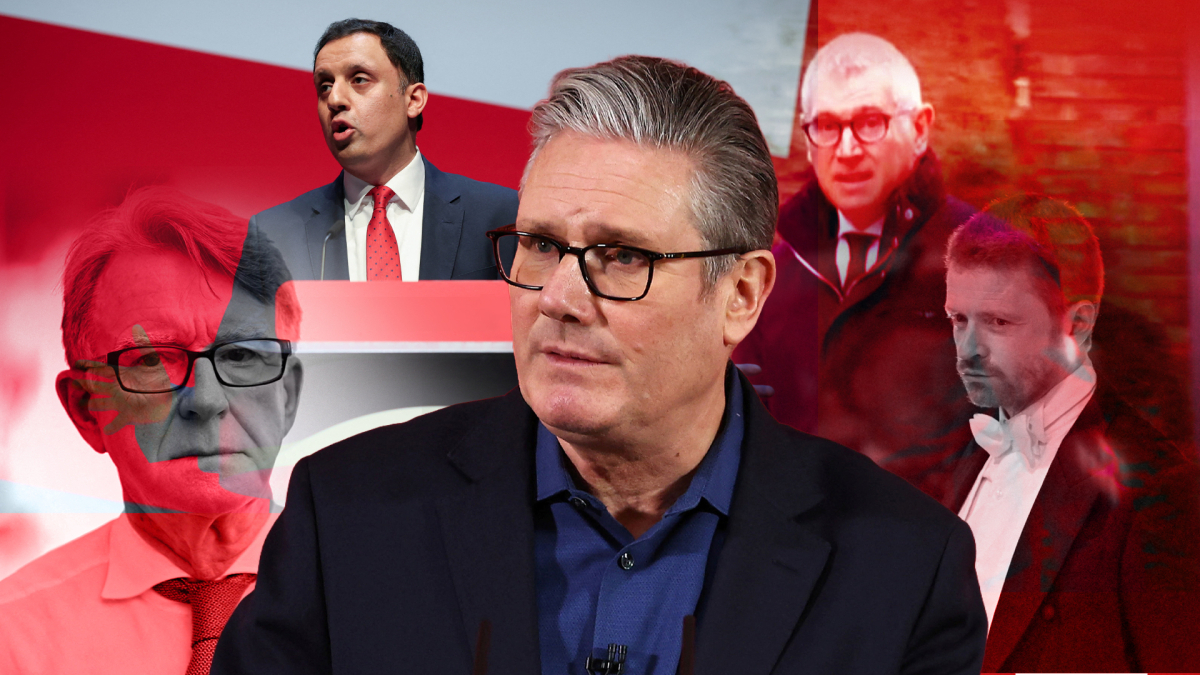
Scottish Labour leader Anas Sarwar has called on Prime Minister Keir Starmer to step down, saying that “the distraction needs to end and the leadership in Downing Street has to change.”
Sarwar said he has a “genuine friendship” with Starmer but added he must “do what is right for my country and Scotland”, making him the most senior serving Labour politician so far to publicly urge the prime minister to resign.
Keir Starmer said he will not step down and is “not prepared to walk away from my mandate”, speaking to Labour MPs just hours after Scottish Labour leader Anas Sarwar publicly urged him to go.
Addressing a private meeting of the Parliamentary Labour Party that lasted more than an hour, Starmer told colleagues that “every fight I’ve been in, I have won,” signalling he intends to remain in leadership despite mounting internal pressure.
The intervention comes as Starmer faces intensifying political pressure linked to controversy surrounding the government’s decision to appoint Lord Peter Mandelson as the United Kingdom’s ambassador to the United States. The issue has drawn renewed scrutiny after the release of additional Epstein-related material in the United States revived questions about Mandelson’s past social contact with convicted sex offender Jeffrey Epstein.
The dispute has focused on political judgement and the vetting process behind the appointment, rather than any suggestion of unlawful behaviour by Starmer personally. Mandelson has previously said he regrets his association with Epstein.
The political crisis deepened after two senior Downing Street figures resigned. Communications director Tim Allan stepped down on Monday (9 February), a day after chief of staff Morgan McSweeney left his role, saying he took “full responsibility” for advising Starmer to make the appointment.
Despite the growing criticism, Downing Street insisted Starmer would remain in office. A spokesperson said the prime minister has “a clear five-year mandate from the British people to deliver change, and that is what he will do.”
The spokesperson also stressed Starmer’s political standing, noting he is “one of only four Labour leaders ever to have won a general election”.
Deputy Prime Minister David Lammy also reiterated support, saying ministers should “let nothing distract us from our mission to change Britain” and that the government continues to back the prime minister.
Opposition parties have increased pressure on the government. Conservative leader Kemi Badenoch accused Starmer of losing control of his party, while Scottish National Party Westminster leader Stephen Flynn said the government was “in chaos” and called on the prime minister to resign.
Within Labour, opinion remains divided. Some MPs have publicly questioned Starmer’s position, while senior cabinet members have defended him and urged colleagues to focus on government priorities.
Starmer has expressed regret over the decision to appoint Mandelson and apologised to victims affected by the wider controversy.
Sarwar’s intervention reflects growing concern among Scottish Labour figures ahead of upcoming elections in Scotland, although Downing Street has reiterated that the prime minister is “concentrating on the job in hand.”
Australian counterterrorism authorities are examining the links of the co-pilot accused of attacking the captain and attempting to take control of a flydubai flight bound for Israel. Authorities in New Zealand have also said they are investigating reports the suspect had spent time in that country.
Russia's health watchdog said on Tuesday that no cases of plague had been detected among anyone who had come into contact with a Siberian plague institutelaboratory worker who died last week, and locals said their lives had barely been disrupted.
Right-wing Brazilian Senator Flavio Bolsonaro will face leftist President Luiz Inacio Lula da Silva in a runoff of the presidential election later this month, after he exceeded expectations in Sunday's first-round vote with a slight lead over the incumbent.
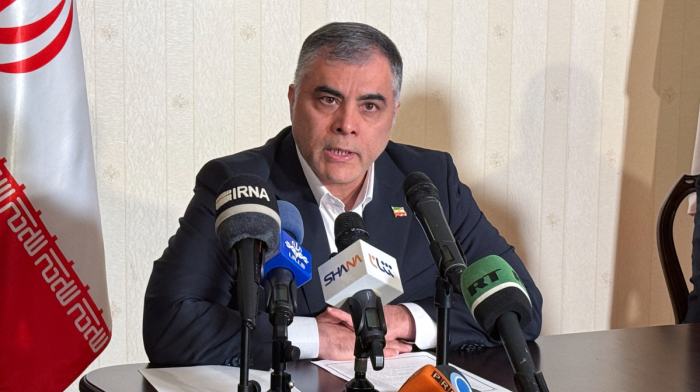
Iran's Oil Minister Mohsen Paknejad has resigned, with Hamid Bovard, chief executive of the state-owned National Iranian Oil Company (NIOC), appointed as acting oil minister, according to Iranian state media.
Candidates elected to Bosnia and Herzegovina's three-member presidency declared victory after preliminary unofficial results showed Denis Becirovic leading the Bosniak seat, Darijana Filipovic ahead in the Croat seat and Zeljka Cvijanovic likely retaining the Serb seat.
Russia's health watchdog said on Tuesday that no cases of plague had been detected among anyone who had come into contact with a Siberian plague institutelaboratory worker who died last week, and locals said their lives had barely been disrupted.
Space-agency chiefs and industry leaders met to discuss lunar exploration, satellite networks and orbital security on Tuesday as a major global space congress entered its second day.
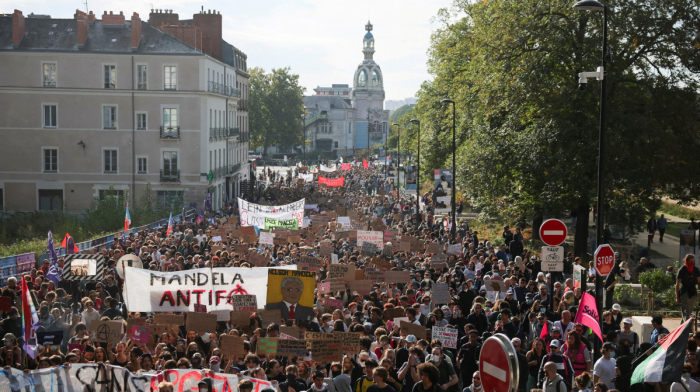
Police fired tear gas at protesters blockading French high schools on Tuesday as students, teachers and parents took to the streets on the biggest day of action in a wave of demonstrations against understaffed and dilapidated classrooms.
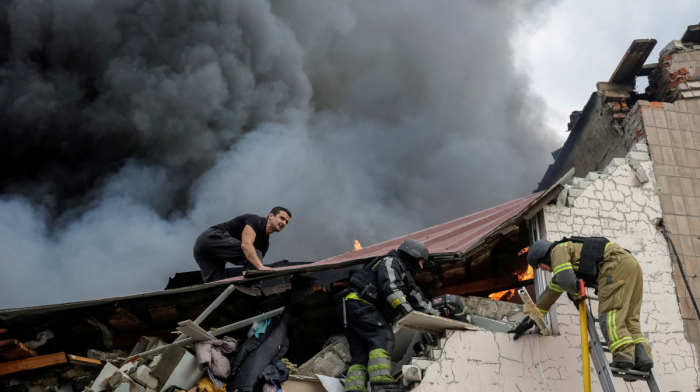
A large Ukrainian drone attack on Moscow and the surrounding region has killed two people, damaged homes and sparked a major fire at a key fuel facility, according to Russian officials and military bloggers.
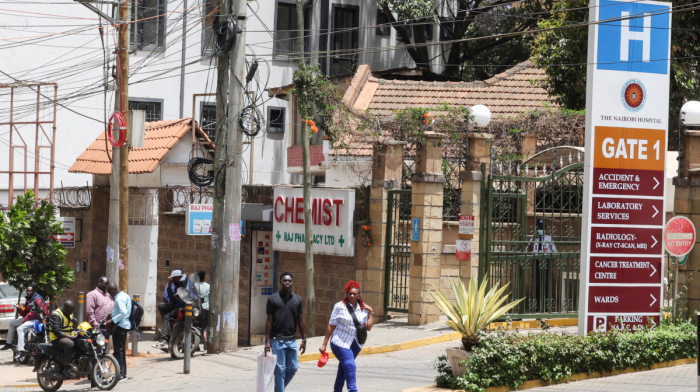
Kenya has confirmed its first case of Ebola after a Kenyan citizen who had travelled from the Democratic Republic of Congo (DRC) died in Nairobi, prompting health authorities to launch an urgent contact-tracing operation.
Download the AnewZ app
You can download the AnewZ application from Play Store and the App Store.














What is your opinion on this topic?
Leave the first comment