A senior Azerbaijani delegation led by Deputy Prime Minister Shahin Mustafayev visited Armenia for border delimitation talks, as regional normalisation efforts continue between the two countries.
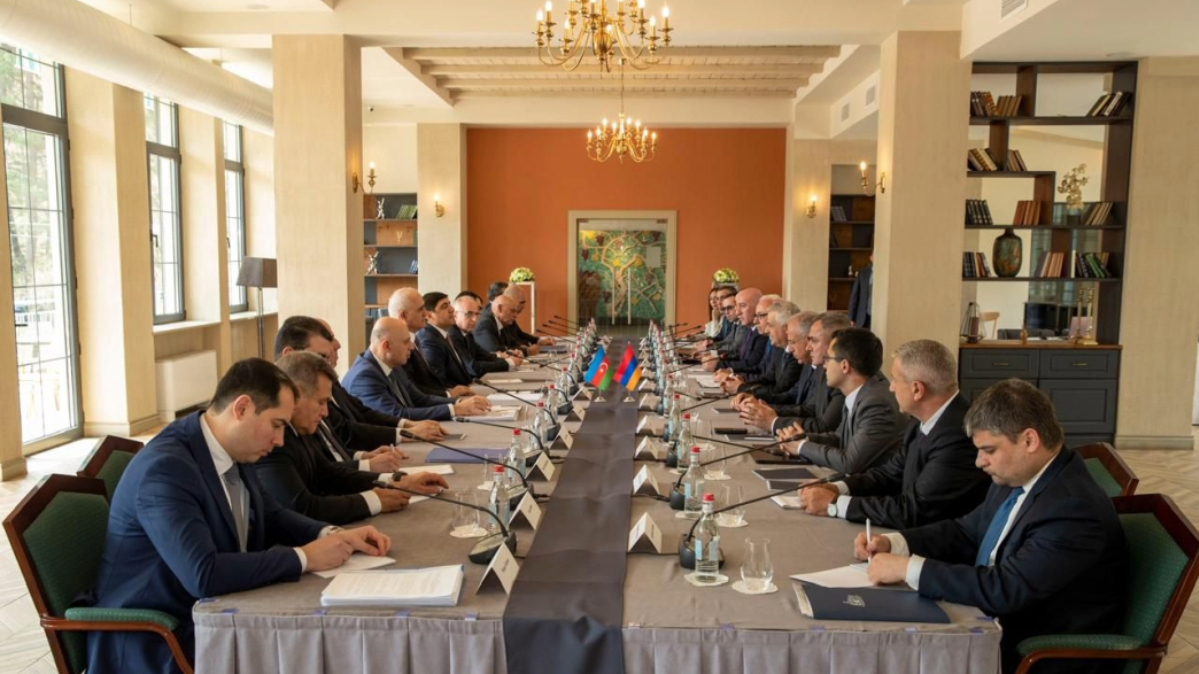
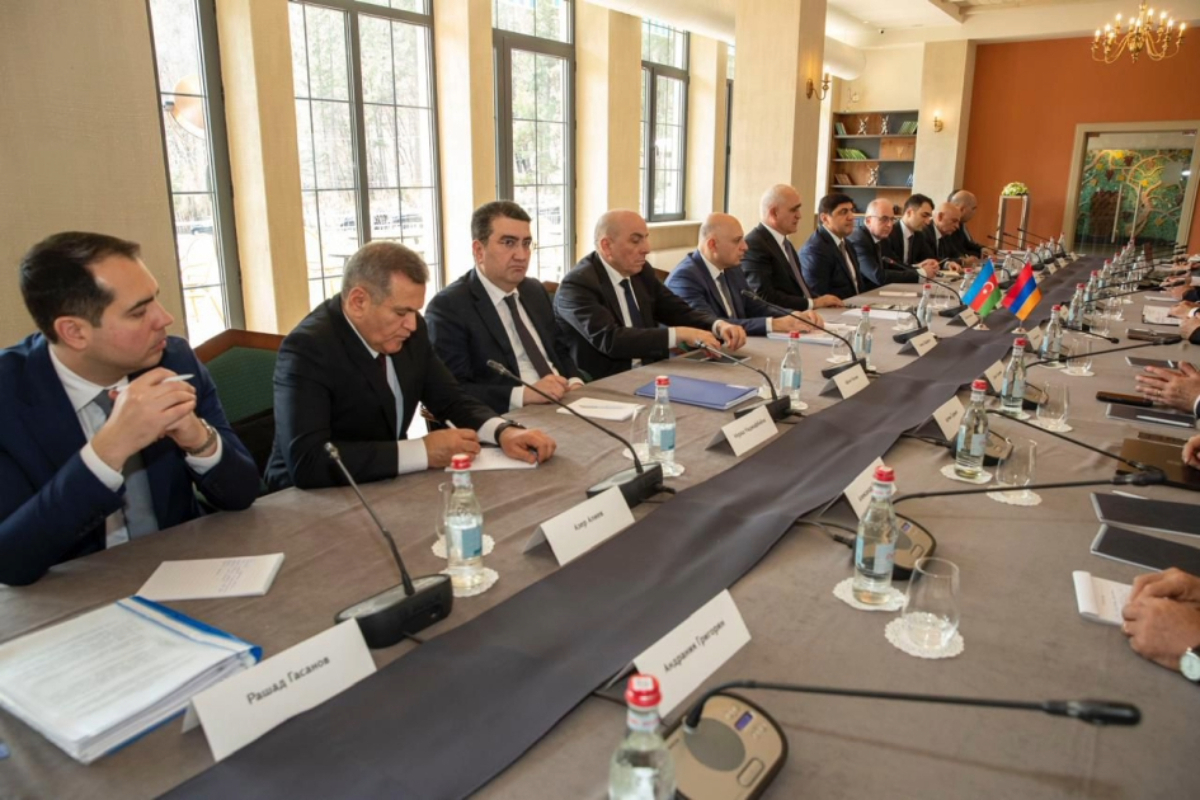
The 13th meeting of the Azerbaijan-Armenia State Border Delimitation Commissions was held in Aghveran, Armenia, on 29 April, marking continued institutional engagement between the two countries.
Mustafayev, who also chairs Azerbaijan’s State Commission on Delimitation, met Armenian Deputy Prime Minister Mher Grigoryan as part of ongoing efforts to define and legally formalise the interstate border following years of conflict.
Technical progress on delimitation framework
The discussions focused on the legal and technical framework for delimitation, including procedures, mapping methodologies and documentation standards.
Both sides also exchanged views on border security, regional connectivity and the opening of transport routes.
The parties agreed and exchanged draft instructions covering:
Work procedures for delimitation expert groups
Preparation of the state border delimitation map
Formalisation and publication of delimitation documents
The thirteenth meeting of the Azerbaijan–Armenia State Border Delimitation Commissions was held in Aghveran, Armenia, on 29 April 2026.
Azertag
Expanding cooperation
The talks also highlighted growing practical cooperation. Azerbaijani officials noted that cargo transit through Azerbaijan to Armenia is ongoing, alongside previously acknowledged petroleum product supplies to Armenia.
Discussions extended to business cooperation, trade flows and transport connectivity, with both sides emphasising that progress reflects political will at the highest level.
The visit comes amid broader regional diplomatic activity, including preparations for the European Political Community summit in Yerevan on 4–6 May.
Armenia is also pursuing parallel normalisation tracks with Türkiye, including discussions on reopening regional transport links such as the Kars–Gyumri railway, alongside talks with Azerbaijan on connectivity.
In parallel developments, Armenian Prime Minister Nikol Pashinyan has reportedly confirmed progress on border delimitation with Georgia, with both sides said to have agreed to complete the process.
He noted that finalising delimitation with both Azerbaijan and Georgia would effectively complete the formal definition of Armenia’s state borders, adding a broader regional dimension to South Caucasus normalisation efforts.
Azerbaijan’s dual-track foreign policy stance
Speaking to AnewZ James Ezimoha, political analyst Rustam Taghizade, who is a Geopolitical Consultant with the Academy of Public Administration in Azerbaijan, argued that Baku’s approach reflects two separate diplomatic tracks.
“With Armenia, Baku is playing a cooperative game… With the European Parliament, it is playing a competitive game… These are decoupled tracks and they do not affect each other.”
He added that Azerbaijan engages “where there is respect and withdraws where there is bias,” framing the approach as a deliberate strategic separation of issues.
Strategic shift in the South Caucasus
Taken together, the Armenia-Azerbaijan delimitation process, Armenia-European Union engagement, Armenia-Türkiye normalisation, and Armenia-Georgia border progress point to a wider restructuring of regional relations in the South Caucasus.
Officials on both sides continue to describe border delimitation as a key pillar of long-term stability and normalisation following major geopolitical shifts in the region.
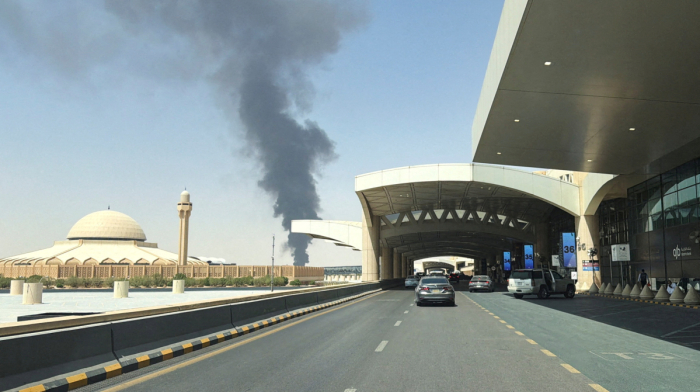
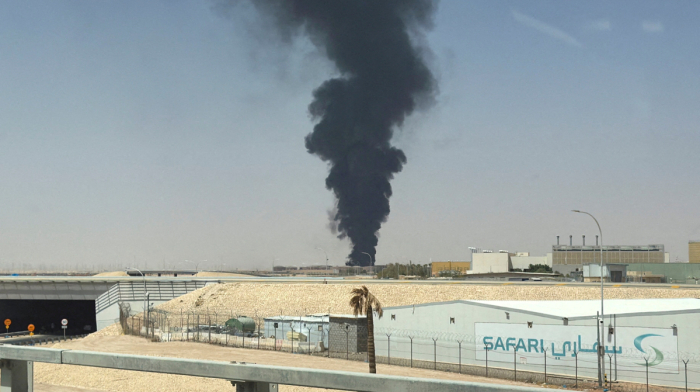
The explosion at King Khalid International Airport in Riyadh on Saturday afternoon killed at least 12 people and injured a further 309, according to Saudi Arabia’s Civil Aviation Authority. The airport remains closed until further notice.
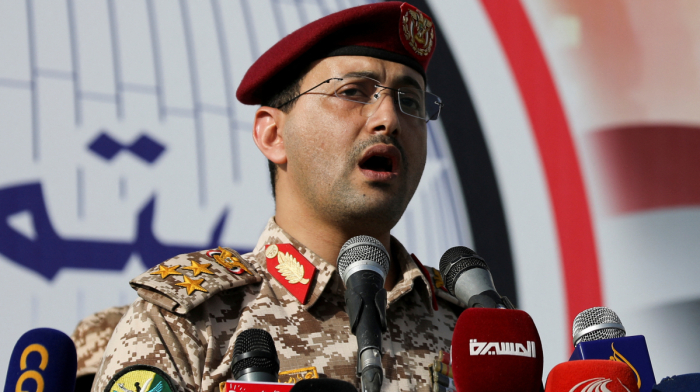
Yemen's Houthis renewed warning to airlines, airport workers, and travellers against using Saudi airports, saying the warning should be taken seriously and that the kingdom “bore responsibility for failed interceptions”, a day after an attack on Riyadh's international airport that killed 12 people.
One person was killed and nearly a dozen hurt in a new attack Riyadh's international airport on Sunday, Saudi authorities reported, a day after a strike claimed by Yemen's Houthis that killed 13 people and wounded more than 300.
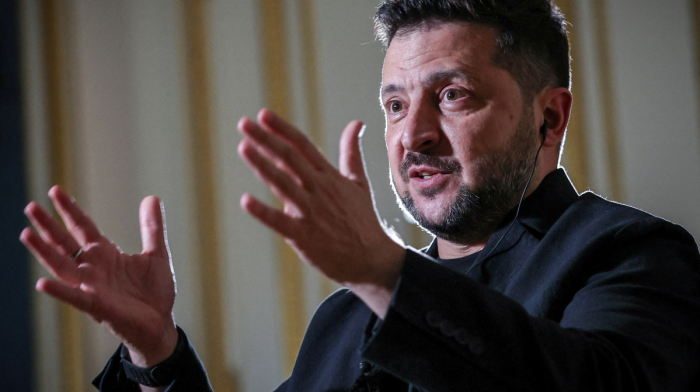
Ukraine is ready to stop attacks on Russian oil refineries if Moscow also halts strikes on Ukrainian energy infrastructure, President Volodymyr Zelenskyy said on Sunday.
One person was killed and nearly a dozen hurt in a new attack Riyadh's international airport on Sunday, Saudi authorities reported, a day after a strike claimed by Yemen's Houthis that killed 13 people and wounded more than 300.
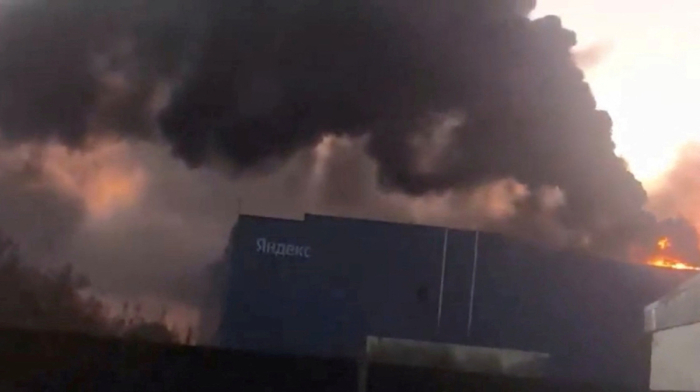
Russia's TASS news agency is reporting that Russia's defence and digital development ministries are in talks about how to protect data centres, after several Yandex centres were targeted in Ukrainian drone attacks.
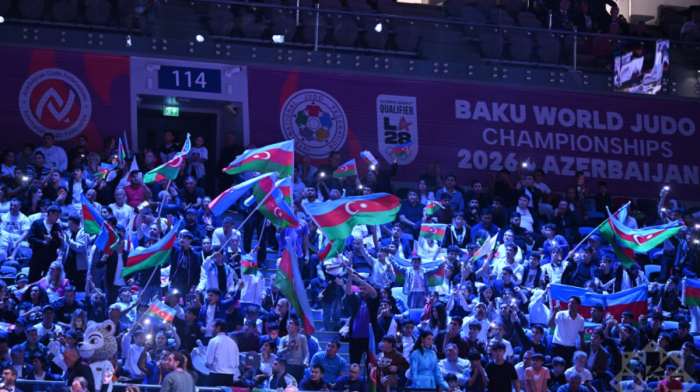
The 2026 Judo World Championships in Azerbaijan's capital came to a close with Japan claiming gold for the mixed team event of the competition, defeating Russia 4-1 in the final.
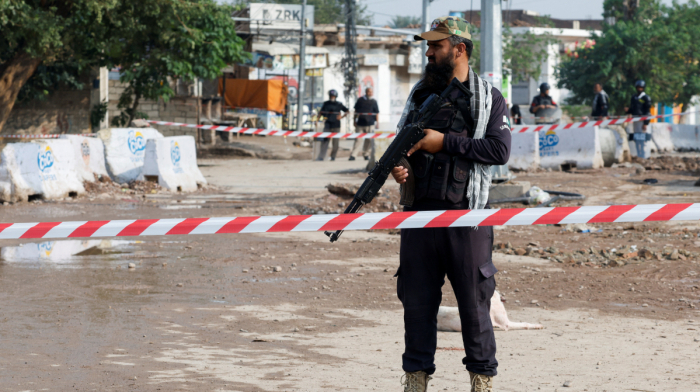
Pakistan has declared a state of emergency in Khyber Pakhtunkhwa, suspending the provincial government led by jailed former Prime Minister Imran Khan’s party. The move comes as tensions rise ahead of a planned protest calling for his release.
Yemen's Houthis renewed warning to airlines, airport workers, and travellers against using Saudi airports, saying the warning should be taken seriously and that the kingdom “bore responsibility for failed interceptions”, a day after an attack on Riyadh's international airport that killed 12 people.
Download the AnewZ app
You can download the AnewZ application from Play Store and the App Store.












What is your opinion on this topic?
Leave the first comment