The United States and Azerbaijan signed a strategic partnership in Baku on Tuesday (10 February) encompassing economic and security cooperation as Washington seeks to expand its influence in a region where Russia was once the main power broker.
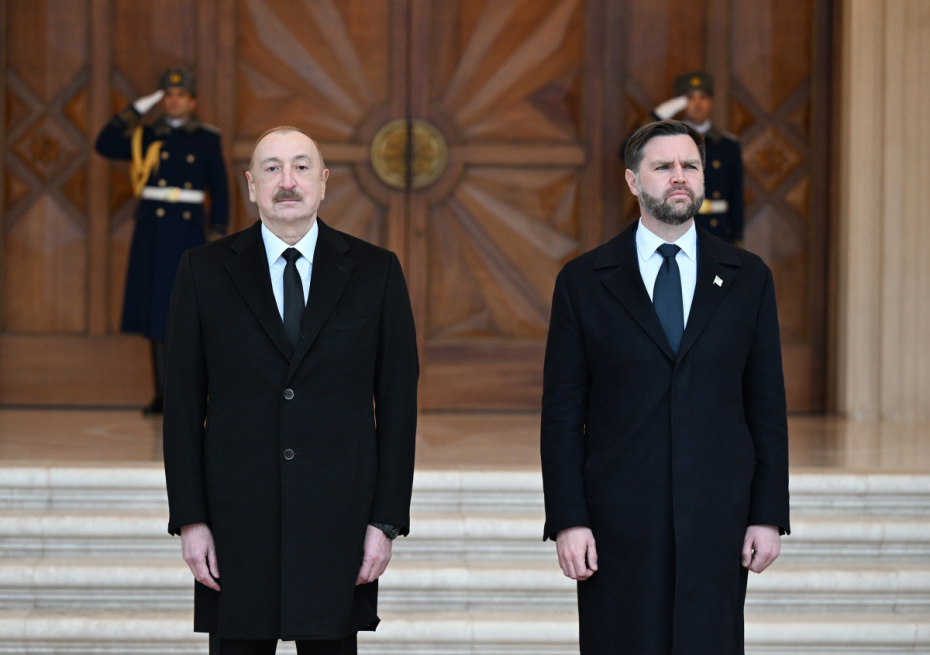
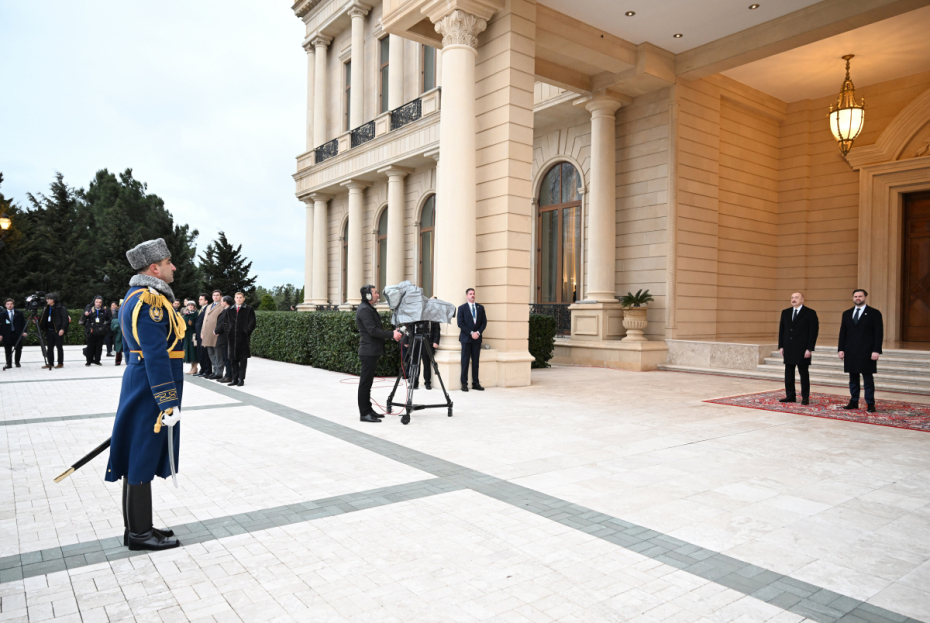
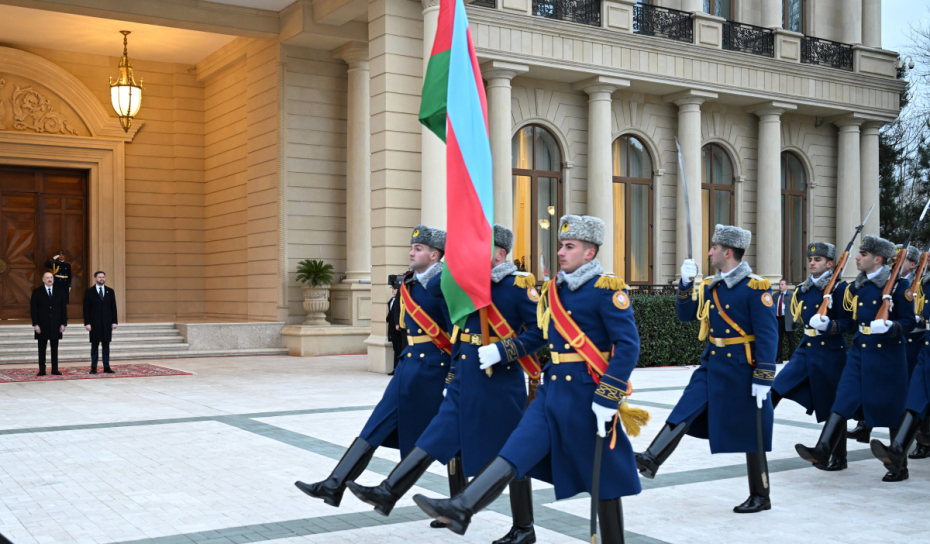
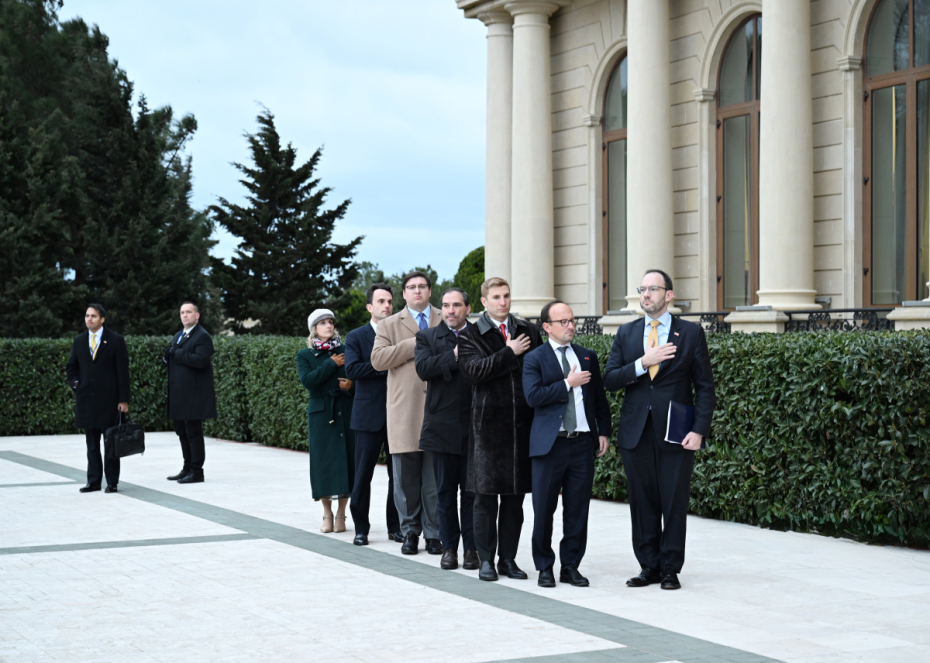
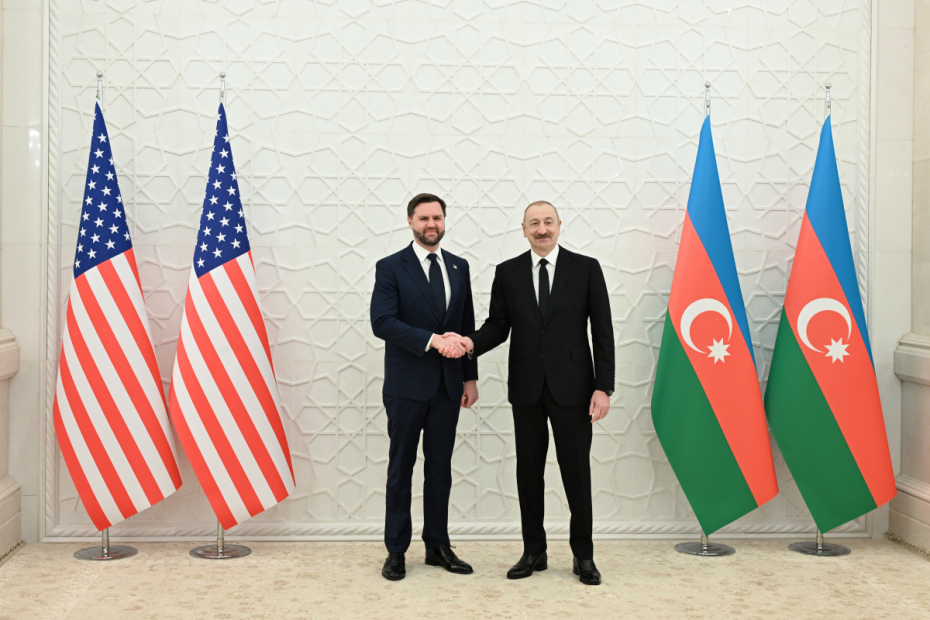
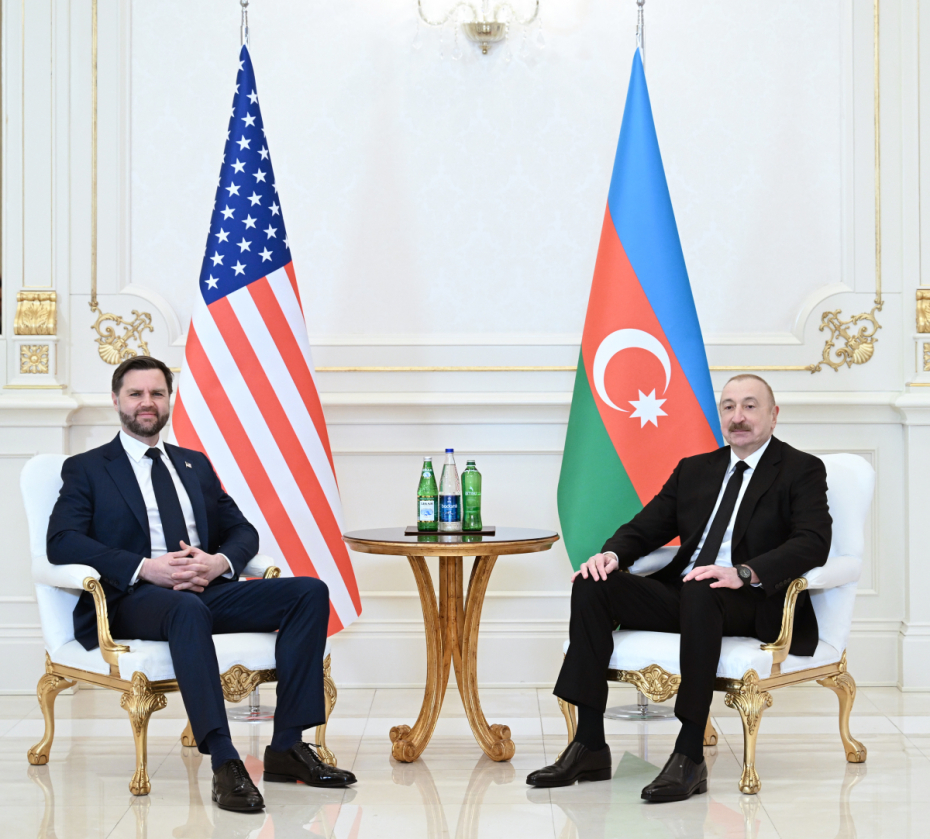
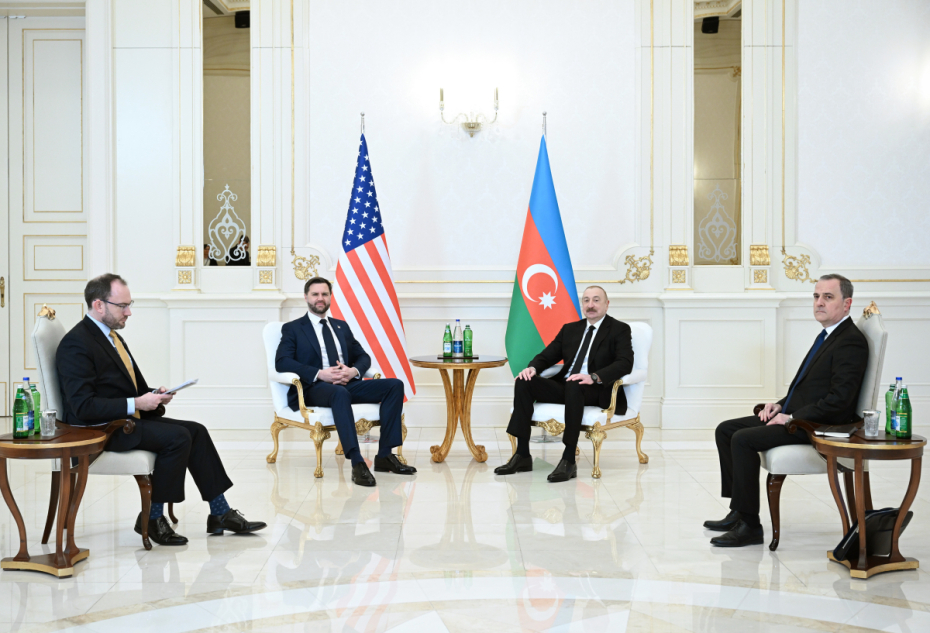
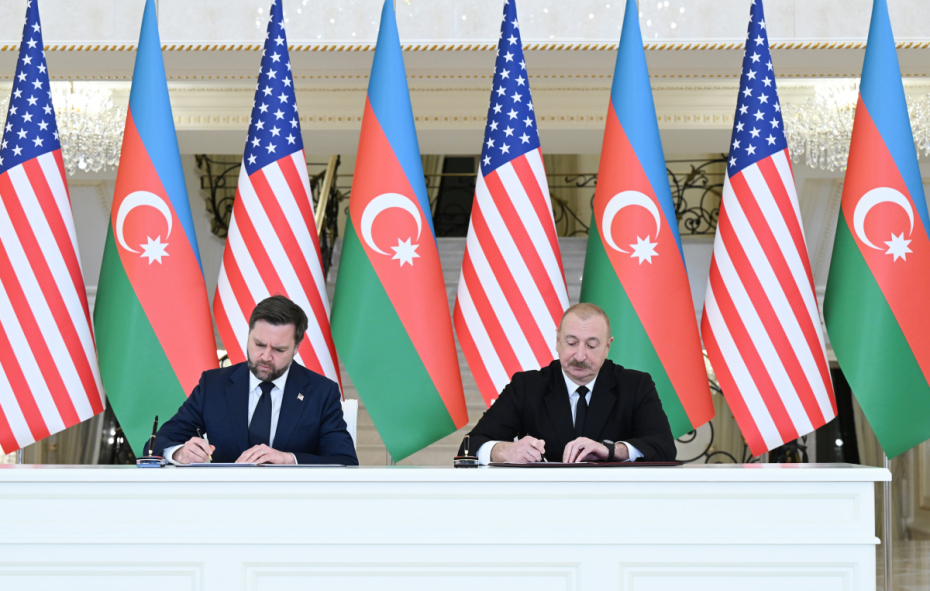
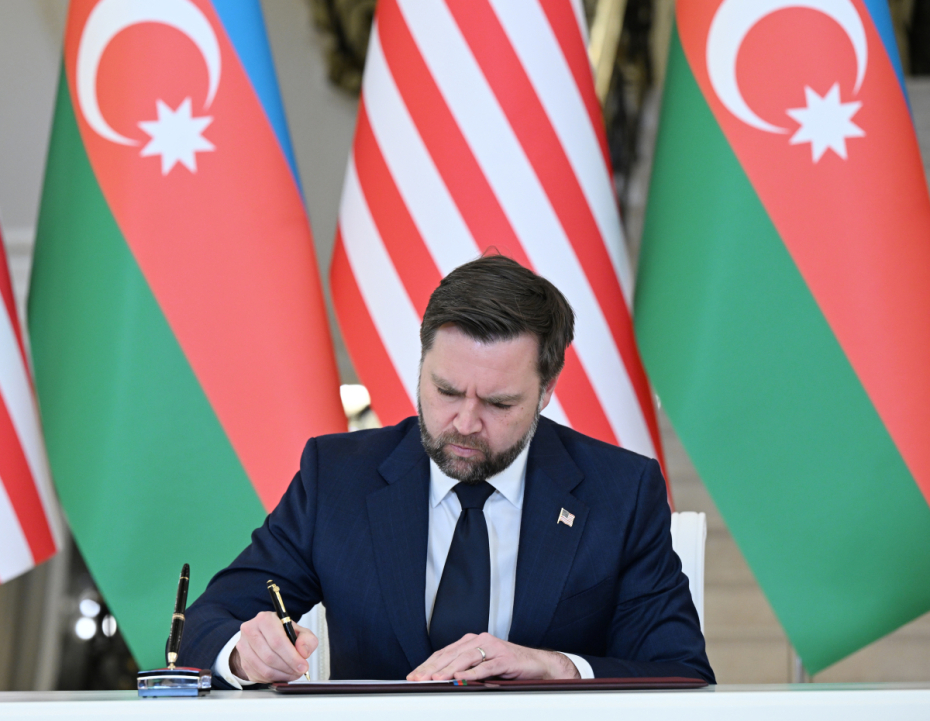
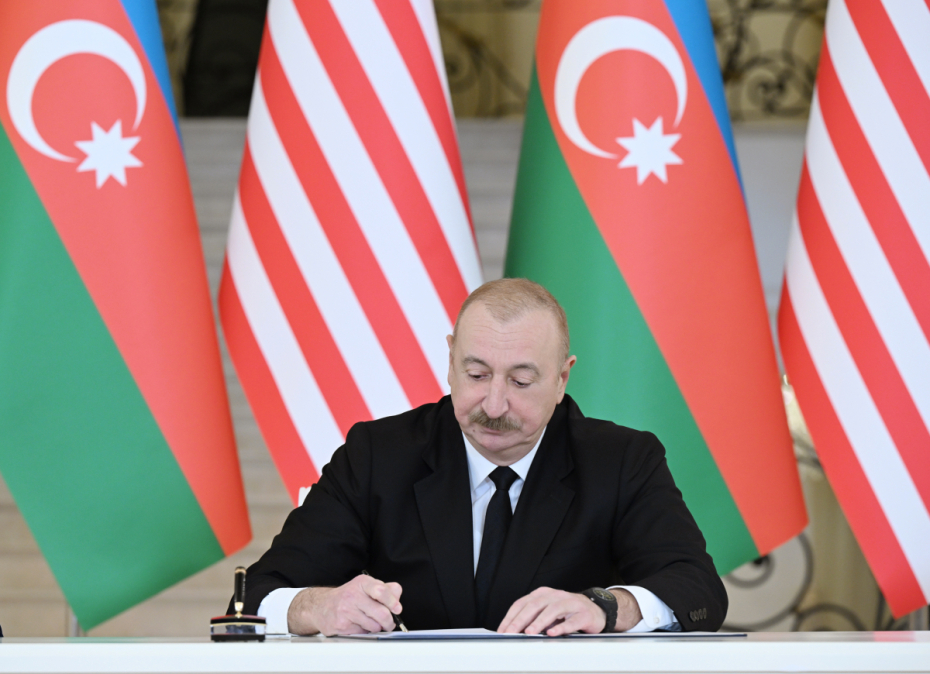
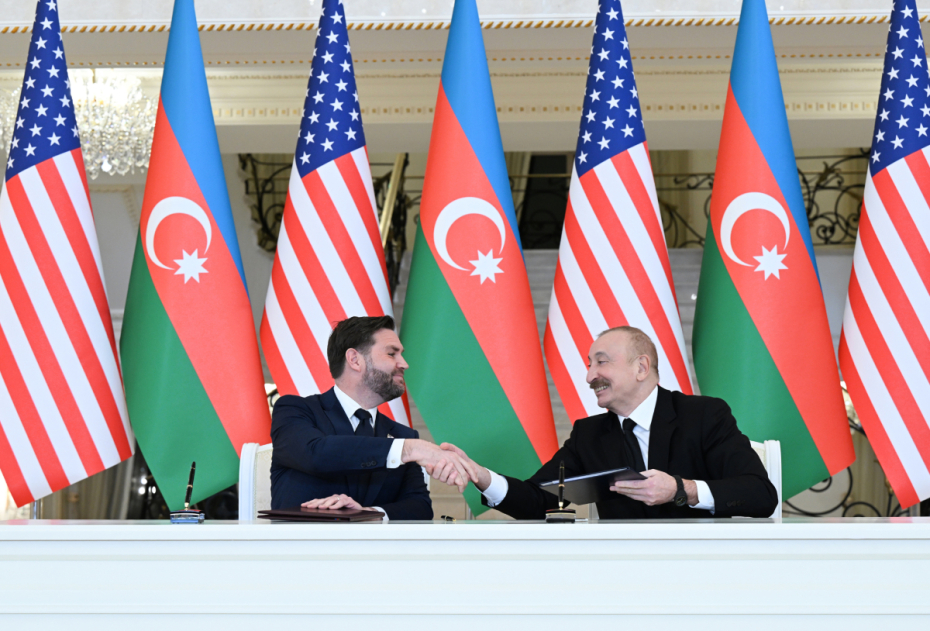
Azerbaijani President Ilham Aliyev inked the agreement called the 'Charter on Strategic Partnership' with U.S. Vice President JD Vance, visiting Azerbaijan after travelling to its neighbour Armenia on Monday.
President Aliyev said Baku and Washington were entering "an entirely new phase" in cooperation on defence sales and artificial intelligence (AI), and would continue collaboration in energy security and counter-terrorism.
Vance said the U.S. would send Azerbaijan an undisclosed number of ships to help it protect its territorial waters.
He also pointed to expanded cooperation on critical minerals, describing it as a key area for future economic partnership.
Vance described Azerbaijan-U.S. ties as “an under appreciated but very, very important partnership and friendship for the United States of America.”
Vance's visit to Armenia and TRIPP
During his visit to Armenia on Monday, Vance also signed a deal with Pashinyan that could pave the way for the U.S. to build a nuclear power plant in a country long dependent on imports of Russian and Iranian energy.
Vance has also sought to advance the "Trump Route for International Peace and Prosperity (TRIPP)", a proposed 43-km (27-mile) corridor that would cut across Armenia and give Azerbaijan direct access to its exclave of Nakhchivan and to its close ally Turkey.
The route would better connect Asia to Europe at a time when Washington wants to diversify energy and trade flows away from Russia due to its war in Ukraine.
"Our hope is that (TRIPP) will help build economic cooperation, cooperation on natural resources and critical minerals, and make it possible for this incredible peace agreement between Azerbaijan and Armenia to truly endure," Vance said at a press conference with Aliyev.
Azerbaijan is keen to showcase its potential as a reliable partner for the U.S. in the region, said Rauf Mammadov, an energy policy scholar at the Jamestown Foundation, a Washington-based think-tank.
"In terms of the hierarchy of priorities, Azerbaijan positioning itself as... a Western-oriented island of stability between Russia and Iran is important," he said.
The visit to both Armenia and Azerbaijan comes after the charter was first presented at talks between Aliyev and President Donald Trump in Washington in August last year, where Aliyev reached a peace agreement with Armenian Prime Minister Nikol Pashinyan to end decades of war.
Since then, Armenia and Azerbaijan have made steps towards putting their nearly 40-year-old conflict to rest since meeting with Trump last year.
No formal peace deal has been signed, however, although they have restarted some energy shipments.
Historical day
Ilham Aliyev said the newly signed charter outlines several directions of cooperation, including security, counter-terror operations and energy.
“Azerbaijan today provides energy security with its natural gas resources to 16 countries, 11 of them are NATO members, allies of the United States,” he said.
Aliyev also noted that the TRIPP project “will be another contribution to peace, development and cooperation in the region.”
He said the two sides are “opening the chapter of cooperation in defence sales,” describing it as promising and added that AI data centres are now part of the bilateral agenda, with preliminary results already achieved through engagement with leading U.S. companies.
“In other words, today’s visit of Vice President Vance can be called historical from the point of view of the substance of negotiations and the strategic charter which has been signed,” Aliyev said.
He credited both Aliyev and Armenia’s leadership for advancing the peace process between the two countries, saying continued cooperation could help ensure long-term stability in the South Caucasus.
Vance also thanked Azerbaijan for its support to U.S. military operations in Afghanistan, noting Azerbaijani troops served alongside American forces and said the visit aimed to “turn the page and open up the next chapter” in bilateral relations.
He also made a lighter remark about Azerbaijan’s diplomatic positioning, saying he had told his staff before landing that, other than President Donald Trump, President Ilham Aliyev was “the only leader in the world who has really good relations with both the Turks and the Israelis.” He added that this must mean either “the food must be really good” or that Aliyev is “very charming,” saying he could already confirm the latter while looking forward to experiencing Azerbaijani hospitality.
The visit is one of the rare trips by a sitting U.S. Vice President to Azerbaijan, signalling renewed engagement between Washington and Baku at a time when geopolitical influence in the region remains contested.
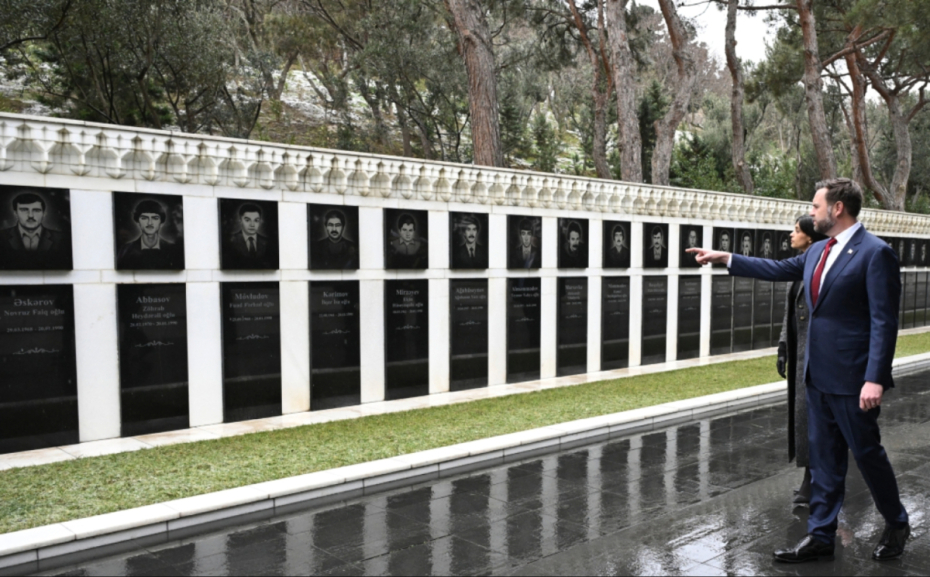
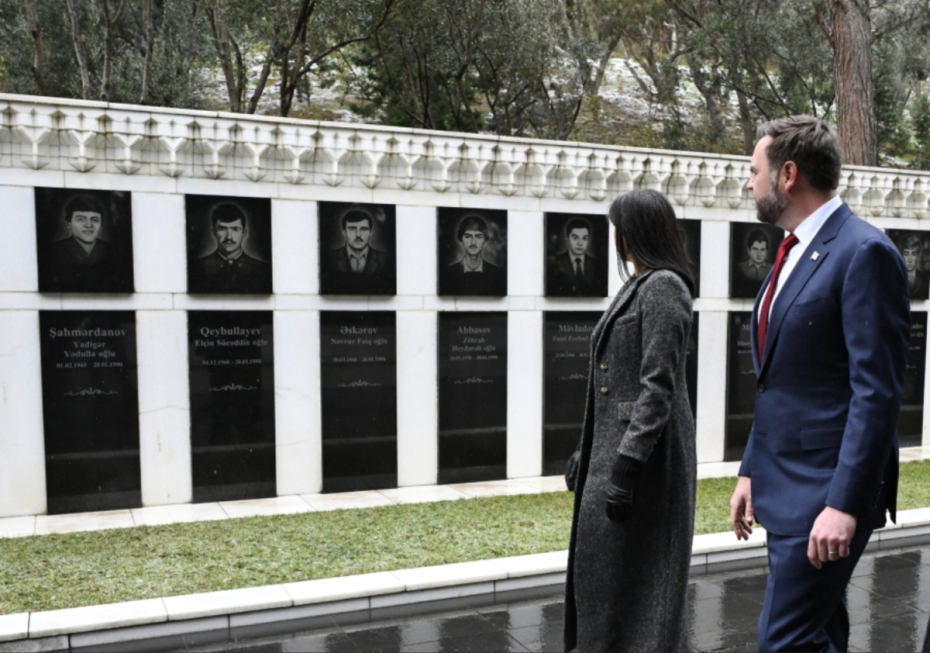
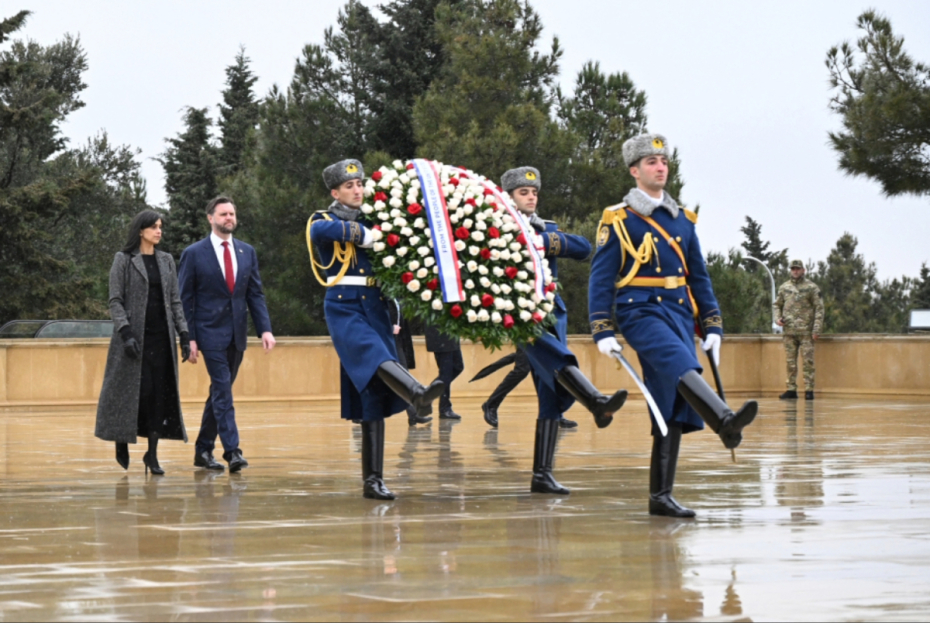
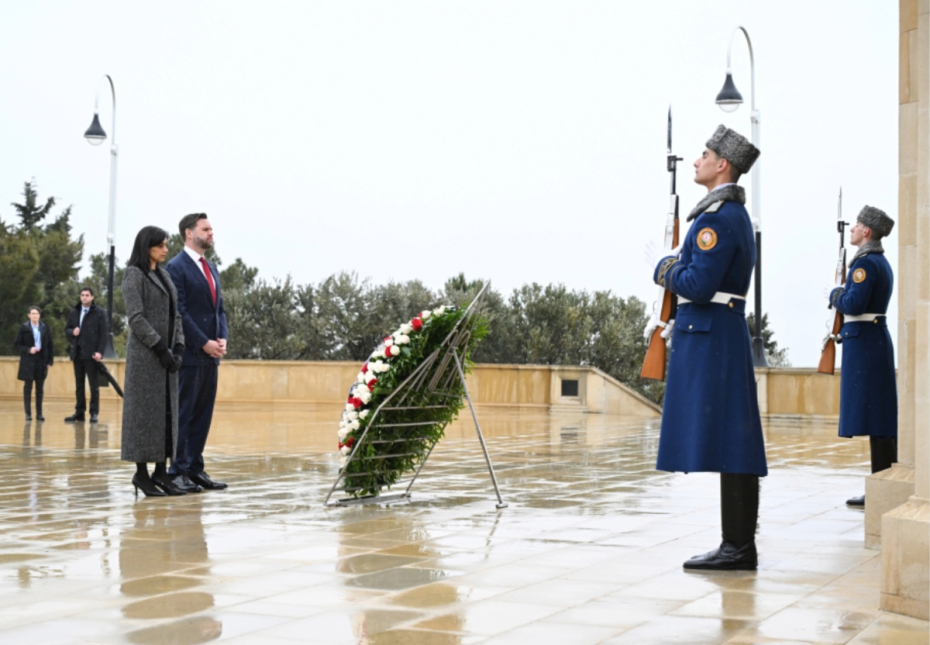
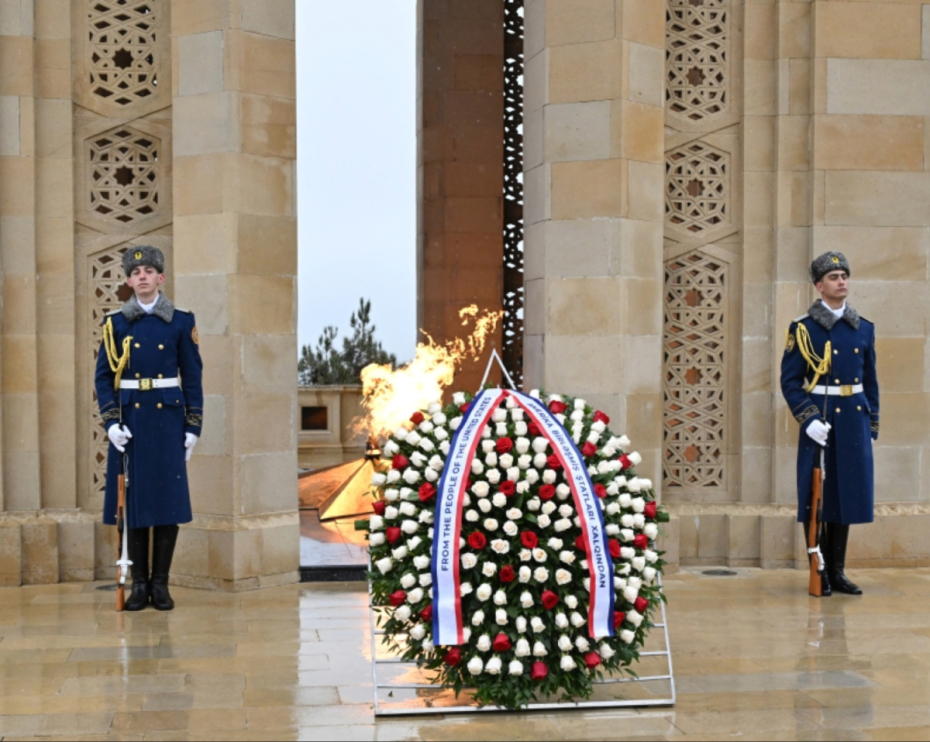
On Wednesday, Vance and his wife, Usha Vance, visited Martyrs’ Lane in Baku, where he paid tribute to those who sacrificed their lives for Azerbaijan’s freedom and laid a wreath at the Eternal Flame memorial.
What the Azerbaijan-U.S. Strategic Partnership Charter Means
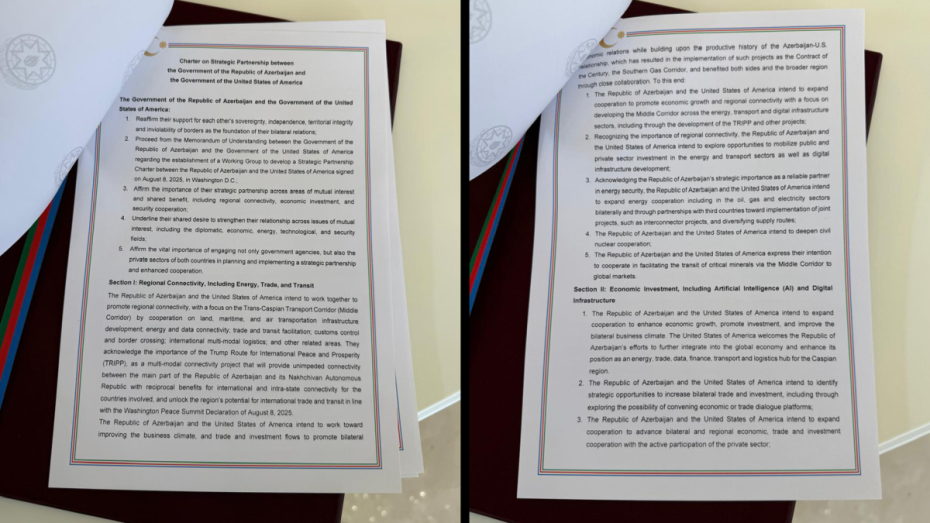
The “Charter on Strategic Partnership between the Government of the Republic of Azerbaijan and the Government of the United States of America,” signed in Baku by President Ilham Aliyev and U.S. Vice President J.D. Vance marks a significant broadening of bilateral relations, expanding cooperation beyond traditional energy ties into connectivity, technology, security, investment and long-term institutional engagement.
The document reaffirms mutual support for sovereignty, independence, territorial integrity and inviolability of borders as the foundation of bilateral relations.
It also builds on a 2025 memorandum that established a working group to develop the charter, signalling continuity in efforts to formalise the partnership.
Transport and logistics cooperation is identified as a central pillar of the partnership. The two sides plan to expand collaboration on the Trans-Caspian Transport Corridor (Middle Corridor), including development of land, maritime and air transport infrastructure, trade facilitation, customs procedures and multimodal logistics systems.
The charter also highlights the Trump Route for International Peace and Prosperity (TRIPP) as a key connectivity initiative intended to provide uninterrupted links between mainland Azerbaijan and the Nakhchivan Autonomous Republic while strengthening wider Eurasian trade routes.
The agreement notes that Azerbaijan and the United States intend to mobilise public and private investment to support infrastructure, energy and transport development across the corridor.
Energy cooperation remains a core element, with Azerbaijan recognised as a reliable partner in energy security.
The two countries plan to expand cooperation in oil, gas and electricity sectors, including joint projects and interconnector initiatives aimed at diversifying supply routes.
The charter also introduces cooperation on facilitating the transit of critical minerals via the Middle Corridor, positioning Azerbaijan as a potential logistics hub within emerging global supply chains.
In addition, the document signals an intention to deepen civil nuclear cooperation, reflecting a broader expansion of energy-related collaboration.
Economic investment, AI and digital infrastructure
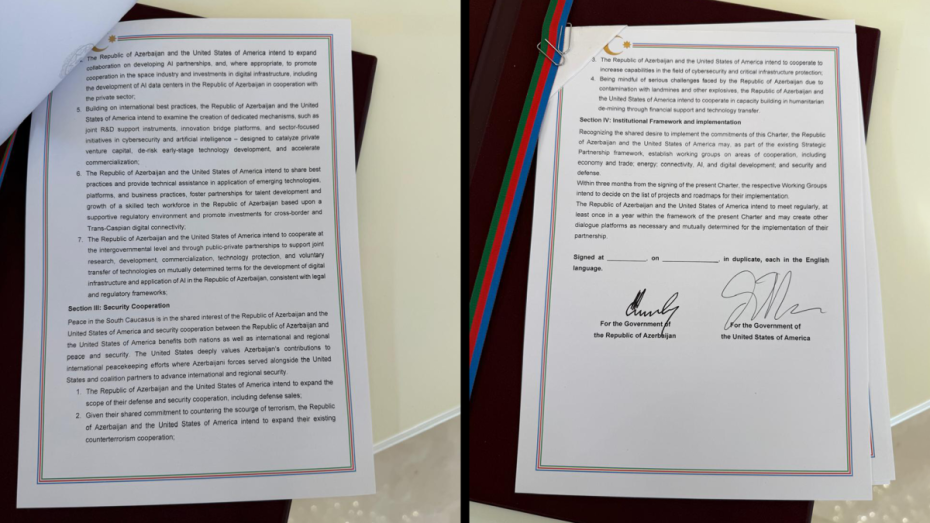
A major new area of cooperation focuses on economic development, investment and emerging technologies. The charter outlines plans to improve the bilateral business climate, increase trade and investment flows and create dialogue platforms to identify new economic opportunities.
Both countries intend to expand cooperation with active participation from the private sector, including joint research and innovation initiatives.
The document places particular emphasis on developing artificial intelligence partnerships and investing in digital infrastructure, including the potential establishment of AI data centres in Azerbaijan.
Additional provisions include cooperation in the space sector, support for innovation bridge platforms, venture capital mobilisation, technology transfer mechanisms and workforce development aimed at building a skilled technology sector.
The charter also calls for sharing best practices, technical assistance and regulatory cooperation to encourage cross-border digital connectivity and strengthen Azerbaijan’s role as a regional logistics, data and technology hub.
Security cooperation is framed as mutually beneficial for both countries and for regional stability in the South Caucasus.
The charter calls for expanding defence collaboration, including defence sales, and strengthening existing counterterrorism cooperation.
It also recognises Azerbaijan’s contributions to international peacekeeping missions alongside U.S. and coalition forces.
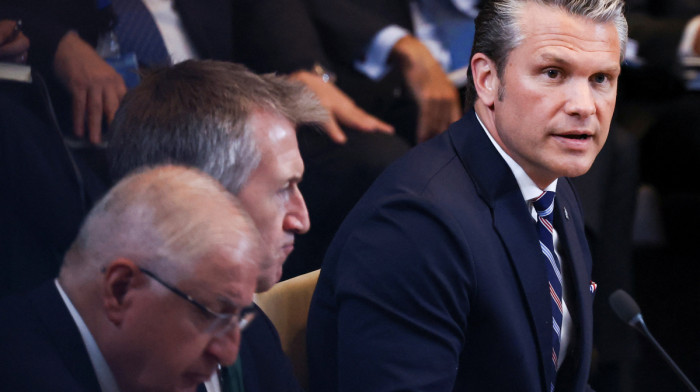
Additional cooperation areas include cybersecurity, protection of critical infrastructure and humanitarian de-mining, including capacity-building support and potential technology transfer to address contamination from landmines and unexploded ordnance.
Implementation and institutional framework
To ensure implementation, the charter establishes working groups across key sectors including economy and trade, energy, connectivity, artificial intelligence, digital development and security.
These groups are expected to identify projects and develop implementation roadmaps within three months of the signing.
The two sides also plan to hold regular meetings at least annually within the framework of the charter, while retaining the option to create additional dialogue mechanisms as cooperation expands.
Vance’s visit to Armenia
Before travelling to Baku, Vance visited Armenia, marking the first trip by a sitting U.S. Vice President to the country. During the visit, he met Prime Minister Nikol Pashinyan and signed an agreement to advance negotiations on a civil nuclear energy partnership between Washington and Yerevan.
The U.S. administration also signalled readiness to expand economic cooperation with Armenia, including potential exports of advanced technology and investment in infrastructure projects.
The visit came amid ongoing efforts to support a U.S.-backed peace process between Armenia and Azerbaijan following decades of conflict over the Karabakh region, which is internationally recognised as part of Azerbaijan.
Previous agreements between the two countries included commitments to restore transport links, including a route connecting Azerbaijan with its Nakhchivan exclave through Armenian territory.
During his meetings in Yerevan, Vance emphasised that long-term stability in the region depends on forward-looking leadership and continued dialogue, while Armenian officials described the trip as symbolically important for strengthening bilateral ties with Washington.
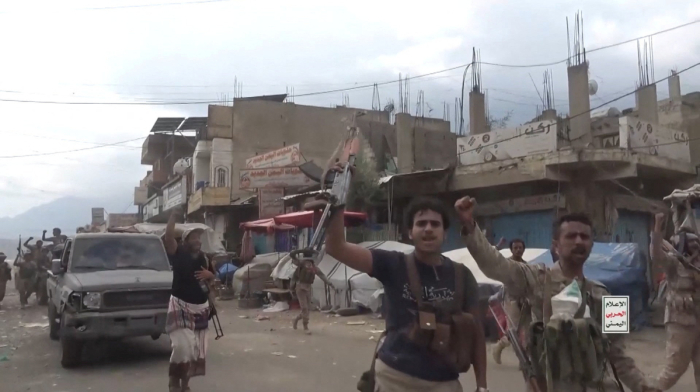
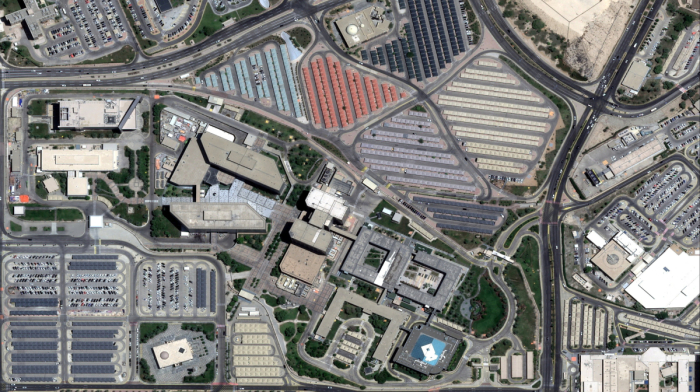
Yemen’s Houthis have claimed responsibility for the recent drone and missile strikes on Saudi Aramco facilities in Dhahran and Riyadh and at King Khalid International Airport in Saudi Arabia, vowing to carry out more attacks in the coming days.
The Saudi-led coalition in Yemen said late Monday that it intercepted and destroyed two ballistic missiles launched by the Houthi group toward Khamis Mushait in southwestern Saudi Arabia.
Ukrainian President Volodymyr Zelenskyy says Russia hit at least six energy targets in deadly strikes across Ukraine, showing Moscow is unwilling to accept the energy ceasefire announced by U.S. President Donald Trump.
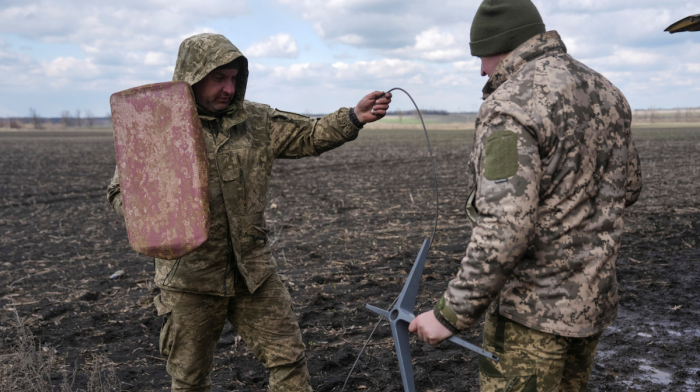
Ukraine's soldiers have had their access to Starlink satellite internet restricted. Kyiv's troops use the terminals, made by Elon Musk's SpaceX, to pilot drones. A source in Ukraine's Defence Ministry said the restrictions would make it harder for Kyiv's army to down Russian drones.
Türkiye says talks with Washington are continuing over six F-35 fighter jets it purchased but never received, as Ankara pushes for the lifting of U.S. sanctions on its defence industry.
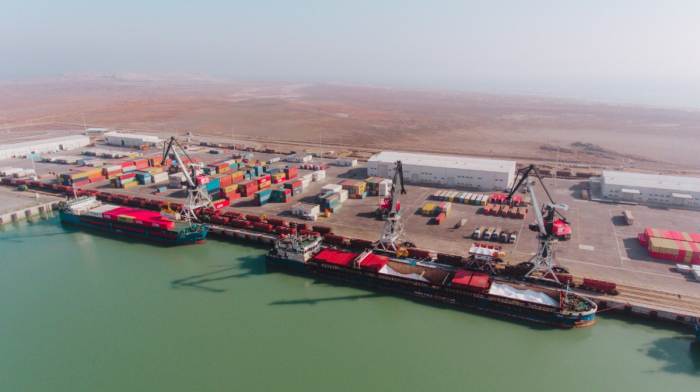
Uzbekistan's freight volumes along the Middle Corridor have doubled in five years, highlighting the growing importance of Azerbaijan and the Port of Baku as key links in its trade routes to Europe.
Kazakhstan is considering new rules governing the use of artificial intelligence in newsrooms, including requirements to label AI-generated content. The proposal was discussed at the tenth Astana Media Week, which also focused on digital threats and children's online safety.
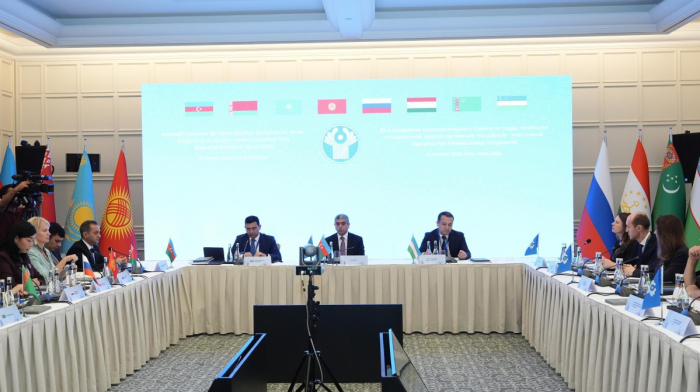
Azerbaijan has taken over the chairmanship of a Commonwealth of Independent States (CIS) labour and social protection council, as it prepares to introduce a sixth package of social reforms in 2027.
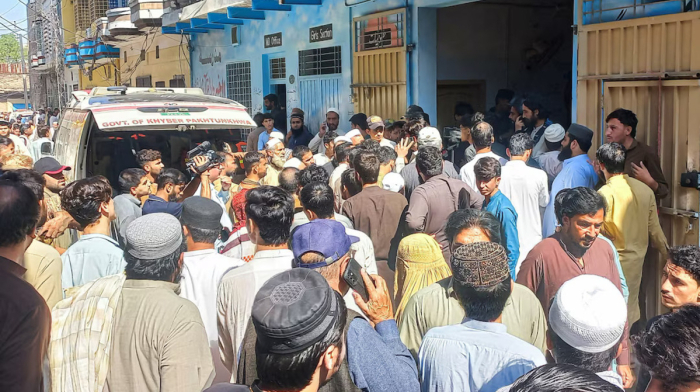
At least 32 children and one teacher were killed when a school roof collapsed during classes in Pakistan’s northwestern city of Peshawar on Thursday (15 October). Twenty others were injured, while authorities warned the death toll could rise as rescue operations continued.
Download the AnewZ app
You can download the AnewZ application from Play Store and the App Store.













What is your opinion on this topic?
Leave the first comment