The U.S. has become a central outside power in the South Caucasus, shaping diplomacy, security and energy flows. Its relations with Azerbaijan and Armenia have evolved from similar beginnings into two distinct partnerships that now define Washington’s role in the region.
Relations between Azerbaijan and Armenia have gained fresh momentum in recent months. After decades of conflict and failed mediation efforts, U.S.-led diplomacy has put Washington at the centre of a process that now goes beyond conflict management and is shaping the region’s political and economic future.
The planned visit by U.S. Vice President JD Vance to Armenia and Azerbaijan this week (9-11 February) reflects this boost in engagement. The trip comes as Washington moves from brokering a peace framework to supporting its implementation, with regional connectivity and infrastructure now at the core of its approach. Vance’s visit signals that the United States sees the South Caucasus as a strategic transit and digital corridor and as a test case for sustained U.S. involvement in a region long influenced by competing outside powers.
Recent thaw and U.S.-brokered accord
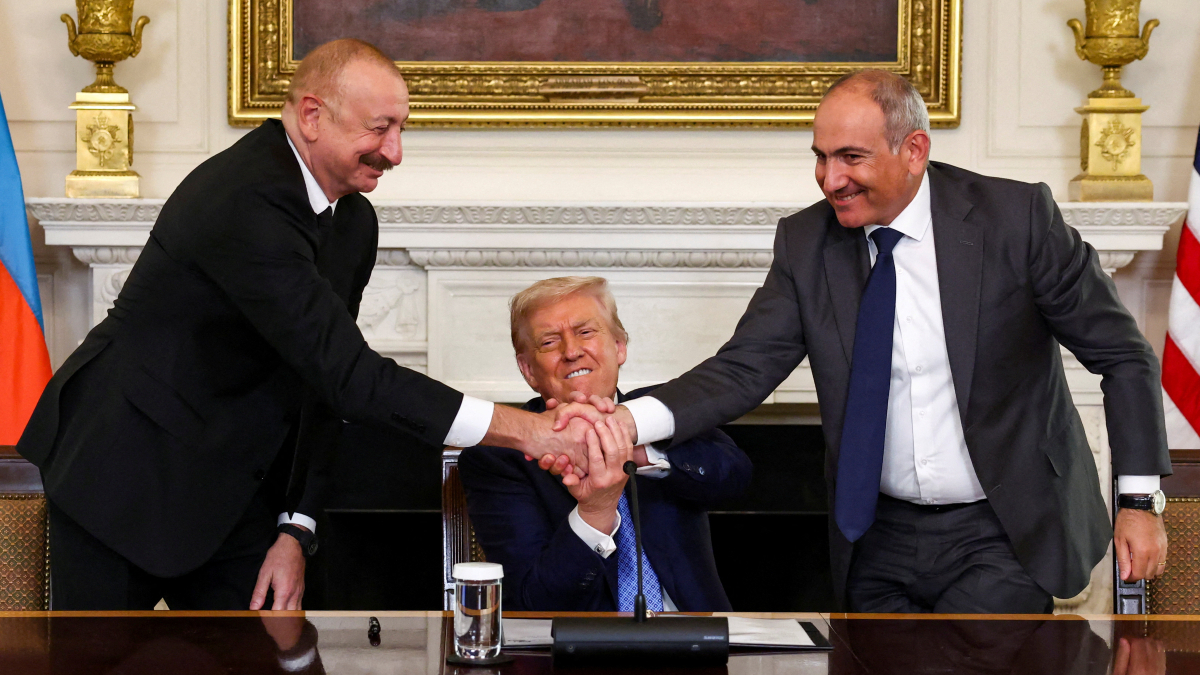
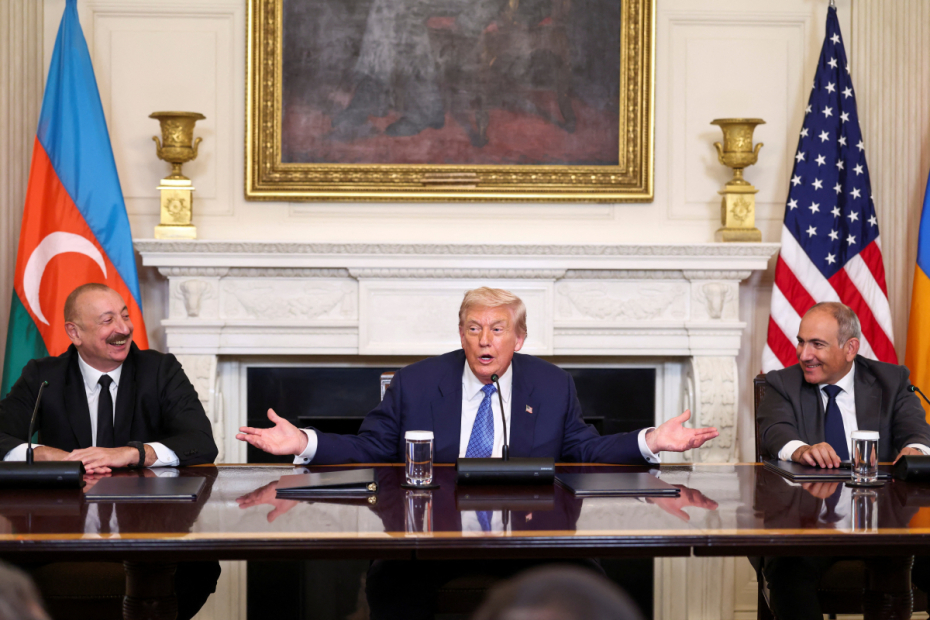
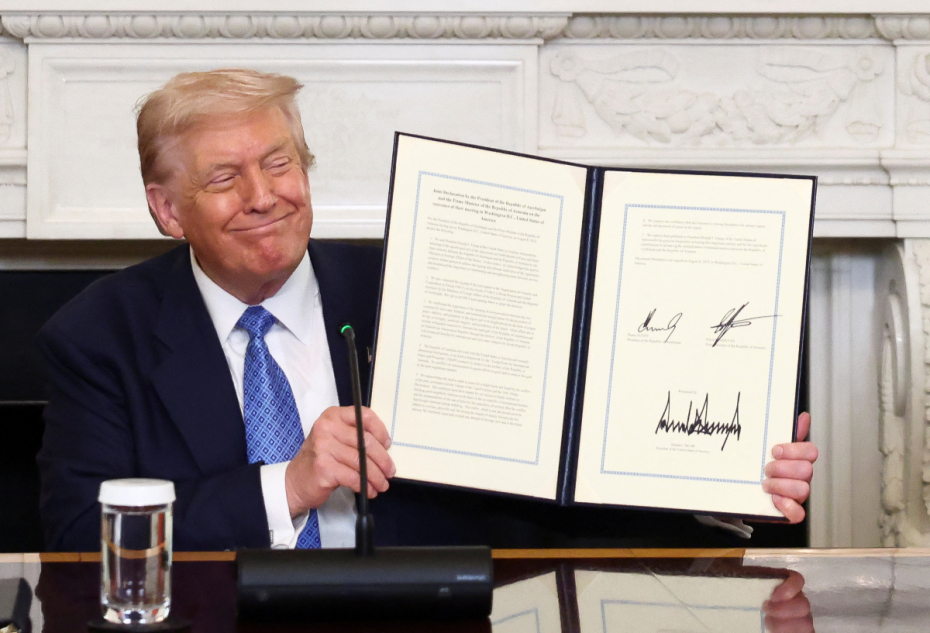
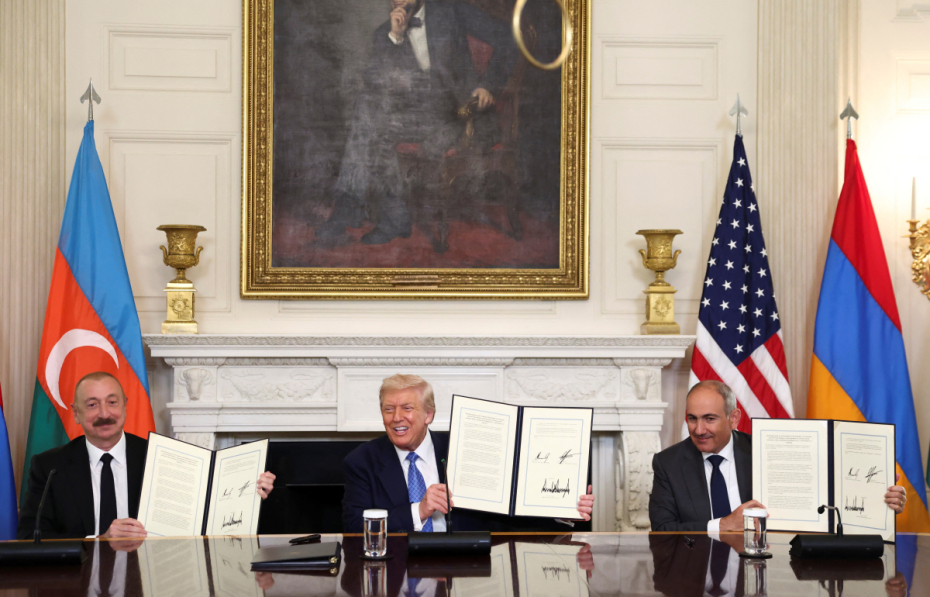
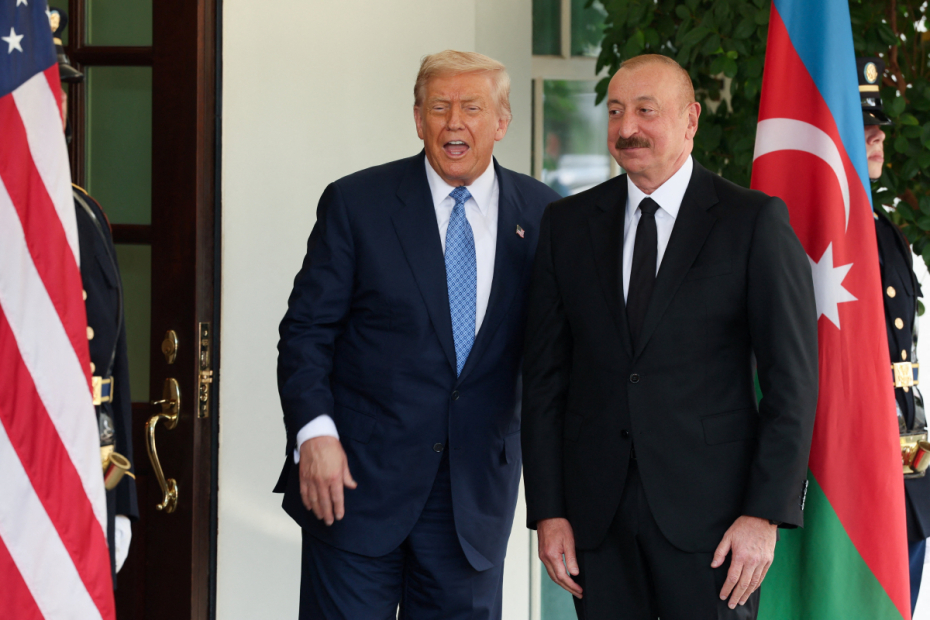
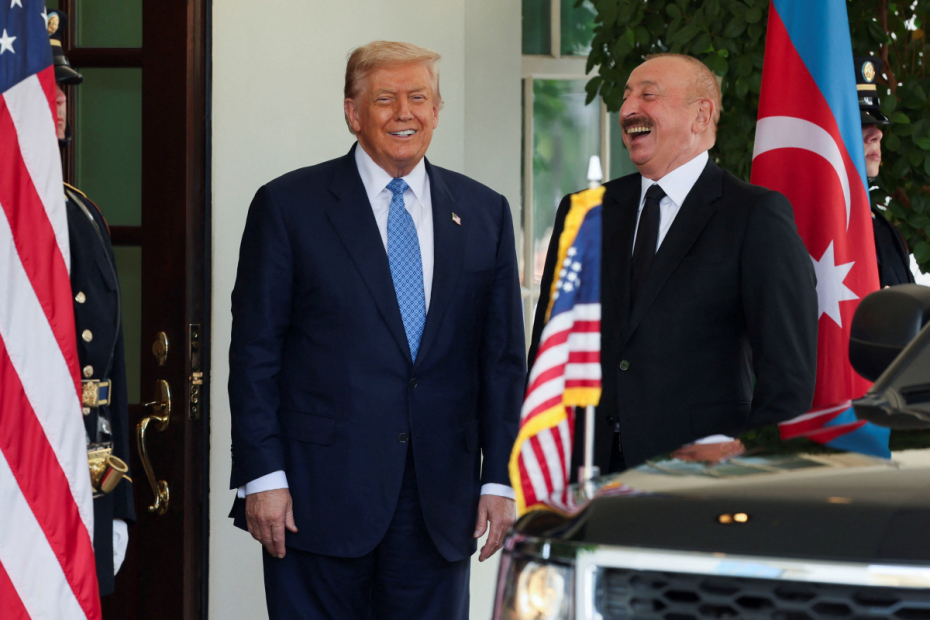
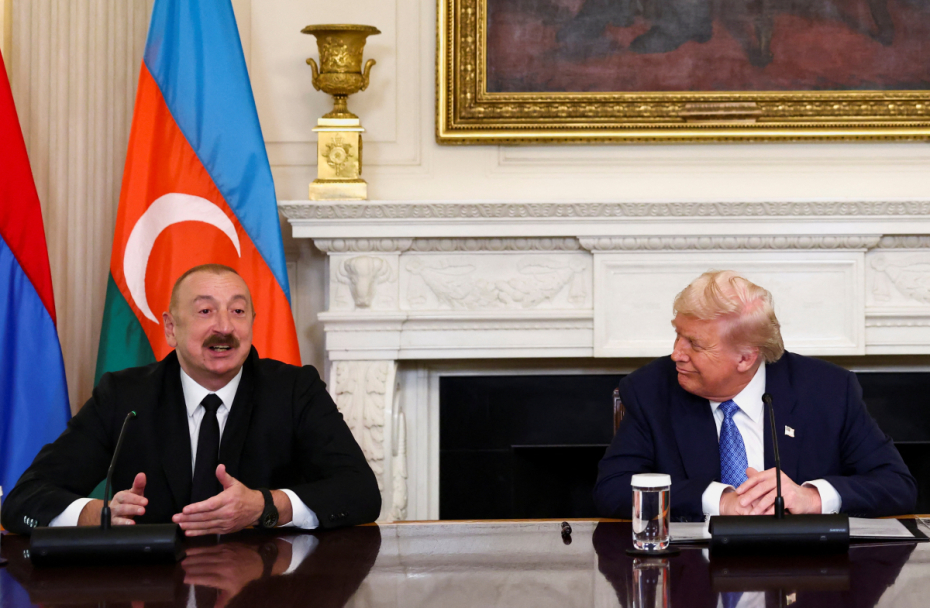
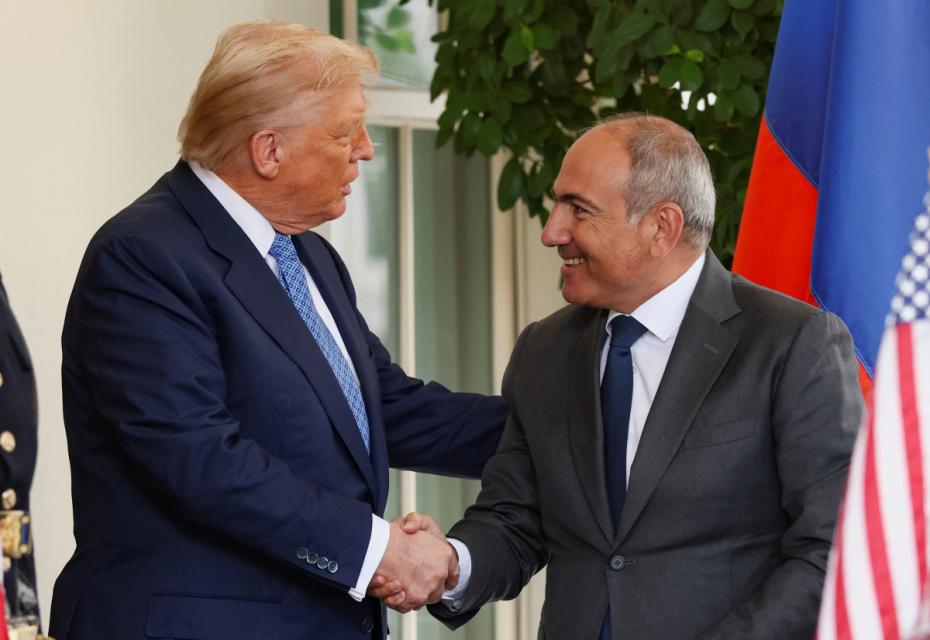
Relations between Armenia and Azerbaijan entered a new phase in August 2025, after direct U.S. involvement in the peace process. The leaders of both countries met at the White House under U.S. mediation and signed a Joint Declaration aimed at normalising interstate relations after decades of conflict.
The foreign ministers of Armenia and Azerbaijan also initialled the draft ‘Agreement on the Establishment of Peace and Interstate Relations’, confirming that negotiations had reached an advanced stage.
The Washington talks marked the first time the U.S. acted as the primary mediator and formal witness to a comprehensive peace framework between the two countries, moving beyond its earlier role as a facilitator.
The meeting also addressed the future of international mediation. Armenia and Azerbaijan jointly requested the closure of the Organization for Security and Co-operation in Europe (OSCE) Minsk Group process, ending a format that had operated for more than 30 years without delivering a final settlement.
Meanwhile, for more than three decades, the conflict centred on Armenian forces’ occupation of internationally recognised Azerbaijani territories, beginning in the early 1990s. Hundreds and thousands of the Azerbaijani population were displaced.
Baku has consistently framed its position as ending this occupation, restoring Azerbaijan’s territorial integrity and creating conditions for the safe return of displaced Azerbaijanis. Trump presented the Washington summit as the moment that finally ended this long-running conflict.
“It’s a long time, 35 years they fought, and now they’re friends, and they’re going to be friends for a long time.”
He said “many tried” and failed, but “with this accord, we’ve finally succeeded in making peace,” adding that Armenia and Azerbaijan were committing to “stop all fighting forever” and respect each other’s sovereignty.
He also highlighted the Trump Route for International Peace and Prosperity (TRIPP) as a “special transit area” giving Azerbaijan access to Nakhchivan while “fully respecting Armenia’s sovereignty”, and said the U.S. was lifting restrictions on defence cooperation with Baku.
Since the White House summit, Washington has remained involved through follow-up diplomacy, implementation-focused discussions and support for TRIPP and related regional projects, reinforcing the U.S. role as a long-term participant in the post-conflict order in the South Caucasus.
How U.S. engagement began
U.S. involvement in the South Caucasus dates back to the collapse of the Soviet Union, when Washington moved quickly to establish relations with newly independent states. Armenia and Azerbaijan were both recognised by the United States on 25 December 1991, placing them on equal footing at the outset of their engagement with Washington.
Diplomatic relations were formalised in 1992, with embassies opened in both countries. In the early post-Soviet period, U.S. policy in the region centred on diplomatic recognition, economic assistance and support for political and economic transition.
Over time, however, the paths of U.S. relations with Armenia and Azerbaijan diverged. Azerbaijan expanded cooperation with the United States in areas such as energy, regional connectivity and security-related engagement. Armenia, by contrast, maintained close security and defence ties with Russia for many years.
These different choices shaped two distinct relationships with Washington and still influence the way the United States deals with each country today.
U.S.–Azerbaijan relations
From the start, U.S. engagement with Baku was shaped by Azerbaijan’s energy resources and strategic geography. U.S. energy companies were among the first foreign investors in Azerbaijan’s oil and gas sector, and Washington backed projects to develop Caspian resources and diversify export routes away from single suppliers and transit lines.
Throughout the 1990s and 2000s, energy cooperation became the backbone of the relationship. Azerbaijan’s role in east-west pipelines and later its contribution to the Southern Gas Corridor, which supplies gas to European markets, aligned with U.S. goals on European energy security.
Security cooperation and Section 907
Security cooperation deepened after the 11 September 2001 attacks, when Azerbaijan supported U.S.-led counterterrorism efforts and provided logistical cooperation for international missions. At the same time, the relationship was complicated by Section 907 of the Freedom Support Act, which restricted certain forms of direct U.S. assistance to Azerbaijan.
In 2001, Congress granted the president authority to waive Section 907. Successive administrations used this waiver on national security grounds, which allowed practical cooperation to continue, but the existence of the restriction remained a recurring political irritant and a symbol of limits in the relationship. Later congressional moves to narrow waiver authority for specific years again underlined how domestic U.S. politics could affect policy towards Baku.
Relations under the Biden administration
Under President Joe Biden, U.S.–Azerbaijan relations remained functional but cautious. Washington continued to engage with Baku on energy security and regional stability, especially as Europe sought alternatives to Russian gas after the escalation of the war in Ukraine. Azerbaijan’s gas exports via the Southern Gas Corridor gained renewed prominence in this context.
However, the period did not produce major political breakthroughs. Engagement stayed focused on specific issues, and the tightening of conditions around Section 907 added to frustrations in Baku.
Shift under Trump and the August 2025 breakthrough
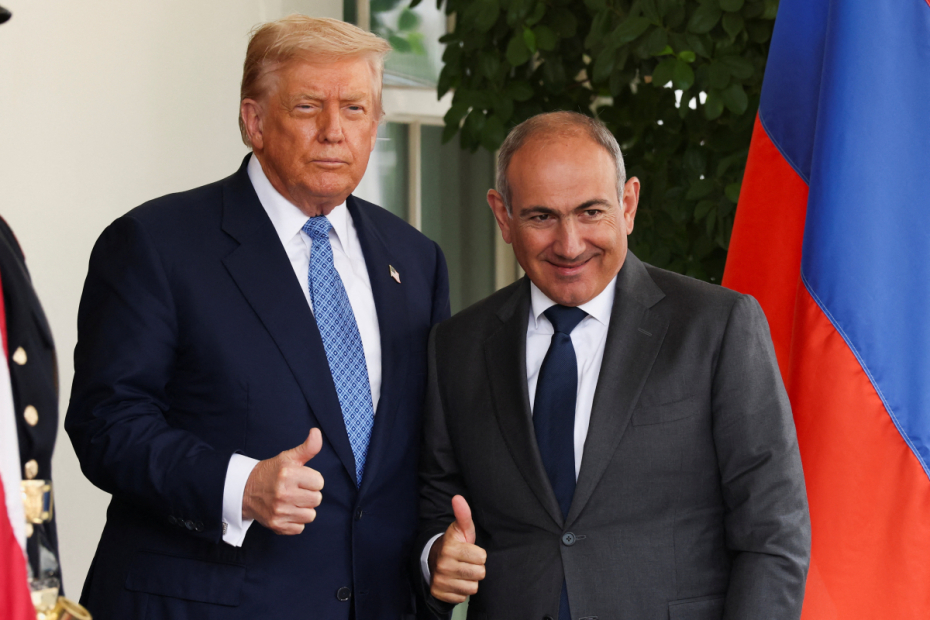
A significant shift came after Donald Trump returned to office and the United States chose to take a more assertive role in South Caucasus diplomacy. This led to the August 2025 White House summit between President Ilham Aliyev and Prime Minister Nikol Pashinyan, under U.S. mediation.
The summit produced the Joint Declaration between Armenia and Azerbaijan and the initialling of the draft peace agreement by their foreign ministers. For Azerbaijan, this was the first time the United States formally documented its role as the main mediator in a comprehensive peace framework between the two neighbours. Aliyev called the summit a turning point in ties with Washington and in regional peace.
“We are writing a new history in relations between the United States and Azerbaijan. We are starting a path towards a strategic partnership.”
President Aliyev welcomed the lifting of restrictions imposed on Azerbaijan in 1992, saying the day would be remembered “with a feeling of pride and gratitude”, and argued that without Trump “today Armenia and Azerbaijan would have been again in this endless process of negotiations”.
He said “we are today establishing peace in the Caucasus” and expressed confidence both countries would “find courage and responsibility to reconcile”.
Transport, connectivity and TRIPP
Transport and connectivity emerged as central themes in this new phase of U.S.–Azerbaijan relations. The Washington talks placed particular emphasis on reopening communications and ensuring unhindered transport links, including between mainland Azerbaijan and Nakhchivan through Armenian territory.
Within this context, the United States promoted TRIPP as a corridor through Armenia that would support trade, logistics, energy transit and digital connectivity, and that would form part of a wider east–west route linking Central Asia to European markets.
U.S. officials presented TRIPP as more than a traditional infrastructure project, stressing its digital and technological components. For Azerbaijan, the initiative fits long-standing ambitions to strengthen its role as a transit hub and to link its energy and transport infrastructure with broader regional networks.
Institutionalising bilateral ties
Alongside the peace and connectivity agenda, Washington and Baku moved to formalise their bilateral relationship.
The two governments both signed the memorandum in August 2025 establishing a a Strategic Working Group tasked with preparing a U.S.–Azerbaijan Strategic Partnership Charter within six months.
The envisaged framework would expand cooperation into trade, regional transit corridors, digital infrastructure, artificial intelligence (AI), defence, security and counterterrorism.
This year a Strategic Working Group co-chaired by Azerbaijani Deputy Foreign Minister Elnur Mammadov and U.S. Deputy Assistant Secretary of State Sonata Coulter is actively finalising a U.S.–Azerbaijan Strategic Partnership Charter.
U.S. commercial involvement continued to centre on energy. During the visit, SOCAR and ExxonMobil signed a memorandum on potential cooperation in both conventional and unconventional oil and gas opportunities in Azerbaijan.
More recent discussions have also highlighted opportunities in digital infrastructure and logistics, which mirror the broader scope of the relationship.
Extending Section 907 and political signalling
Another notable outcome of the August 2025 meetings was Trump’s decision to extend the presidential waiver of Section 907 for Azerbaijan, effectively suspending its restrictions on assistance for another period. Although previous waivers existed, the timing and public framing of the decision gave it additional symbolic weight and was seen in Baku as a sign of political reset alongside the launch of the Strategic Working Group.
Although previous waivers existed, the timing and public framing of the decision gave it additional symbolic weight and was seen in Baku as a sign of political reset alongside the launch of the Strategic Working Group.
What this means for Azerbaijan
Taken together, these developments have strengthened Azerbaijan’s regional and international position. U.S. engagement has reinforced Azerbaijan’s role as a transit hub, underlined its importance in European energy security and raised its diplomatic profile through direct involvement in peace implementation.
At the same time, the relationship remains pragmatic rather than exclusive. Azerbaijan continues to follow a multi-vector foreign policy, maintaining ties with a range of partners while deepening cooperation with Washington where interests align.
U.S.–Armenia relations: recalibration amid shifting regional alignments
Relations between Armenia and the U.S. have undergone a significant recalibration in recent years, driven by regional conflict, changing security perceptions and Washington’s expanding role in South Caucasus diplomacy.
While Armenia has historically maintained close political and security ties with Russia, recent developments have prompted Yerevan to widen engagement with the U.S. and other western partners, particularly in diplomatic, economic and governance-related areas.
Early engagement and U.S. assistance
Armenia, like Azerbaijan, was recognised by the United States on 25 December 1991, with diplomatic relations established in 1992 and an embassy opened in Yerevan soon afterwards. From the outset, the relationship was shaped less by energy than by political and economic support, including substantial U.S. assistance for post-Soviet transition, humanitarian needs and institutional reform.
Over the following decades, Armenia became one of the largest per-capita recipients of U.S. aid in the South Caucasus, with programmes focused on economic development, governance, civil society and support for democratic institutions.
Diaspora links also played a visible role in shaping bilateral ties, including on issues such as genocide recognition, which became a recurring theme in U.S.–Armenia political dialogue.
Recent diplomatic and economic ties
In more recent years, Washington has maintained a broad agenda with Yerevan that includes political reform, judiciary and anti-corruption support, economic diversification and cooperation in sectors such as information technology and education.
Under the Biden administration, Washington increased humanitarian assistance to Armenia and backed reform-oriented initiatives, while also encouraging regional stability and dialogue with neighbours. This wider engagement has provided a platform for Armenia to deepen ties with the United States even as it reassesses its long-standing security dependence on Russia.
Russian ties and growing tension with Moscow
For much of the post-independence period, Armenia relied on Russia as its primary security partner, including through membership in the Collective Security Treaty Organisation (CSTO) and the presence of Russian military forces on Armenian territory. This alignment placed clear limits on the scope of U.S.–Armenia security cooperation and shaped Armenia’s foreign policy choices.
However, strains in the relationship with Moscow have become increasingly visible since Armenia’s defeat in the conflict with Azerbaijan. Armenian officials have publicly accused Russia of failing to provide adequate support, while Moscow has expressed concern over Yerevan’s expanding contacts with western states.
These tensions were underscored in February 2026, when Russian Foreign Minister Sergey Lavrov warned Armenian parliamentary speaker Alen Simonyan about the “risks of rapprochement with the West to the detriment of cooperation with traditional allies.”
According to the Russian Foreign Ministry, Sergey Lavrov reaffirmed Moscow’s commitment to strengthening military-political and economic ties with Armenia, while cautioning against shifts that could undermine existing alliances. The exchange highlighted Russia’s unease with Armenia’s growing engagement with the U.S. amid broader regional realignments.
Despite Armenia’s intensified dialogue with Washington, U.S.–Armenia relations remain bounded by structural limits. The United States has not offered security guarantees or alliance-style commitments, and U.S. officials have consistently framed engagement in terms of diplomacy, economic resilience and institutional reform rather than military realignment.
Washington meeting and peace framework
Armenia joined Azerbaijan in signing a Joint Declaration in Washington in August 2025 aimed at normalising interstate relations, while the two countries’ foreign ministers initialled the draft Agreement on the Establishment of Peace and Interstate Relations.
For Armenia, participation in a U.S.-brokered framework signalled a willingness to anchor normalisation efforts within a western-supported diplomatic structure, while still managing relations with Russia.
Pashinyan described the deal as a decisive break with the past and directly credited Trump.
“Today, we have reached a significant milestone in Armenian–Azerbaijani relations. We’re laying a foundation to write a better story than the one we had in the past.”
He said the breakthrough “would simply not have been possible without President Trump’s personal engagement” and that the agreement would open “a new era” based on mutual respect for sovereignty and territorial integrity.
Highlighting TRIPP, he said the project would “unlock the entire region” and praised Trump’s “global leadership” as a “peacemaker”, quoting the Bible: “Blessed are the peacemakers, for they will be called sons of God.”
Transport, connectivity and TRIPP
Transport and connectivity remain a sensitive but central element of U.S.–Armenia engagement. The United States has promoted the TRIPP as part of a broader effort to link peace with economic incentives. The corridor will pass through Armenian territory, connecting Azerbaijan’s mainland with Nakhchivan and integrating Armenia into regional trade and digital networks.
U.S. officials have framed the project as an opportunity for Armenia to benefit from transit revenues and infrastructure investment. Armenian authorities, however, have repeatedly stressed that any such routes must operate under Armenian sovereignty and law, reflecting domestic political constraints.
Current direction
This week's planned visit by JD Vance highlights Washington’s intent to sustain engagement with Armenia as the peace framework moves into its implementation phase.
For Yerevan, closer ties with the United States offer diplomatic backing, economic diversification and greater room for manoeuvre, but not a replacement for existing security arrangements.
U.S.-Armenia relations are therefore defined by cautious diversification rather than strategic realignment - a balance that continues to draw close scrutiny from Moscow, as reflected in Lavrov’s warning, and that shapes Armenia’s position in the evolving South Caucasus order.
Therefore, for Armenia, U.S. ties are more about diplomacy, economic support and cautious diversification away from an exclusive reliance on Russia.
For Azerbaijan, the U.S. relationship is increasingly framed around energy, transit and a formal strategic partnership.
Together, these two tracks now shape Washington’s role in the South Caucasus and will help decide whether the latest peace efforts deliver durable change or simply reset the terms of an old rivalry.















What is your opinion on this topic?
Leave the first comment