UK officers criticised after dying teen handcuffed at stabbing scene
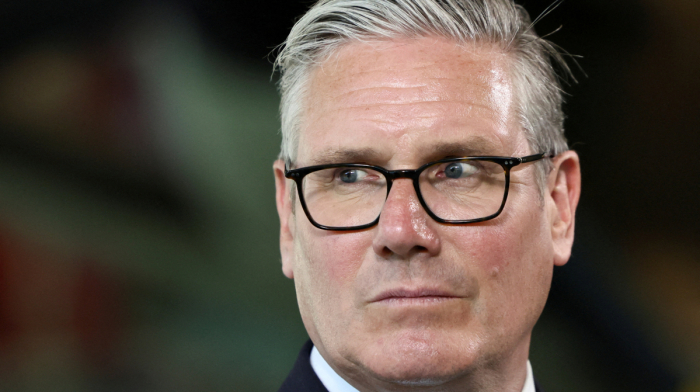
British police are facing a national backlash over their handling of the fatal stabbing of 18-year-old student Henry Nowak, who was handcuffed while d...
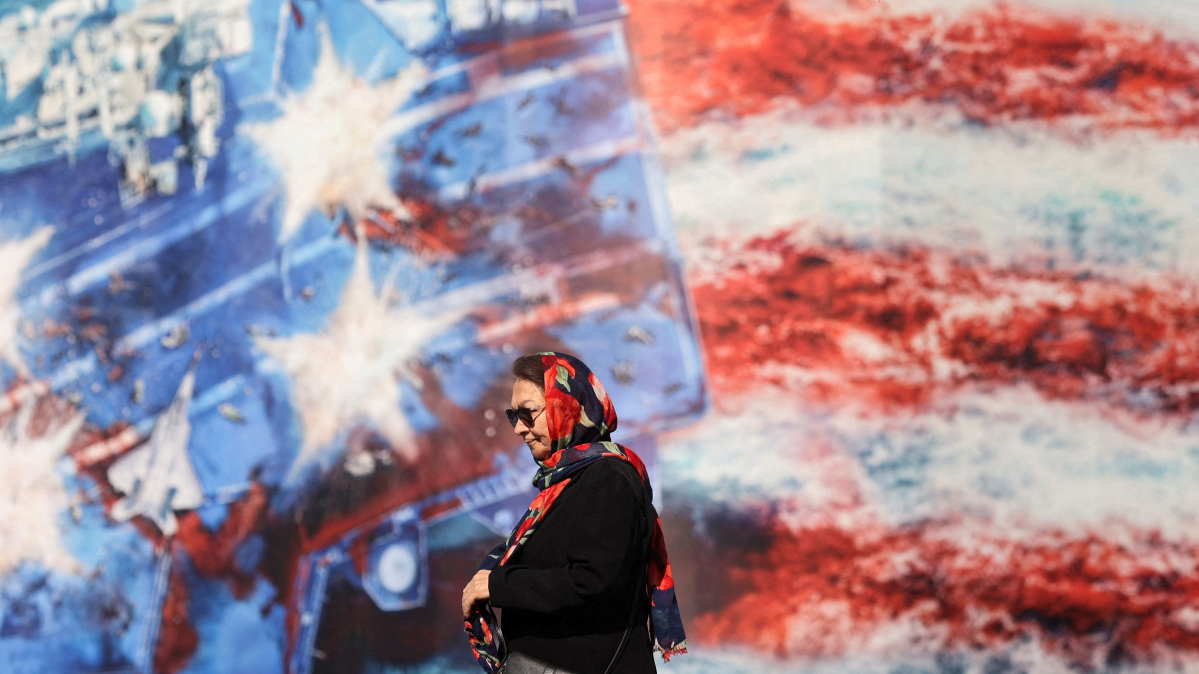
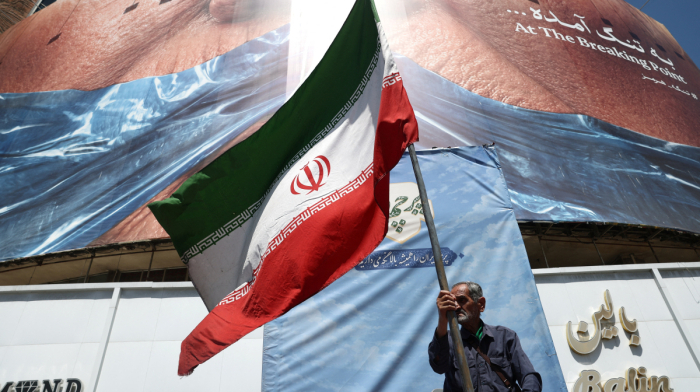
Journalist and International Affairs Commentator, Tom Gross, joined AnewZ from Tel Aviv to tell us why he thinks the attack happened now and whether this could mark the beginning of the end for the Iranian leadership.
Gross said there were “two interests” behind the strikes. The first, he said, is “a defensive, a pre-emptive defensive attack by Israel and the U.S. to prevent the Iranians from being in a position where they pose a really serious threat, eventually a nuclear threat, to Israel, the U.S., and European allies”.
The second, he said, is that Trump is “honouring his promise to the Iranian people in January”, when the U.S. president said that “if you protest against the regime, we’ll have your back”. Gross added that Trump “essentially said, America will be with you”.
The central question now, Gross told AnewZ, is “what will the Iranian people do?”
Gross said the issue is whether this is “just a military strike” or “some kind of plan for the Iranian protesters to attempt to seize power” and prompt a leadership change.
Gross outlined three main possibilities. The first, he said, would be a short operation lasting only “a few hours”, after which Washington “will pose again the question to the Iranian regime, this is your chance, negotiate properly”, telling Tehran to address its nuclear and missile programmes before the campaign stops.
The second possibility is a longer effort, “until the regime in Iran crumbles”, depending on Tehran’s reaction and internal stability. While the third possibility, which Gross compared to a Venezuela-style shift, involves someone inside Iran’s power structure moving to redirect the country away from confrontation. He said the U.S. could accept such a figure if it changed course, noting Trump would “probably be OK with that”.
He said “there will not be any ground troops” and that the outcome “will be up to the Iranian people”. Gross added that “up to one-third of American naval forces are essentially surrounding Iran”, underscoring the pressure behind these scenarios.
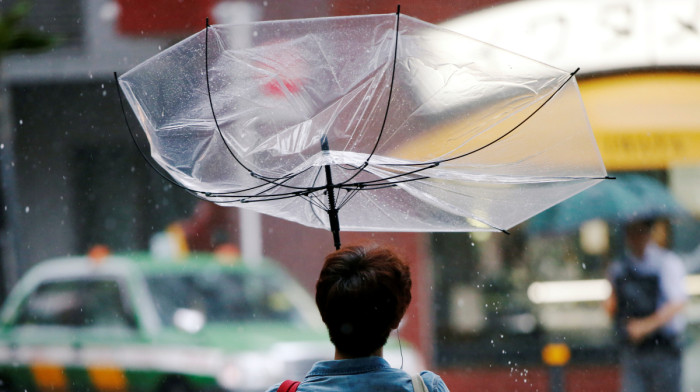
Okinawa lost transport links and suffered widespread power outages on Monday (1 June) as Severe Tropical Storm Jangmi brought destructive winds and heavy rain to Japan's south-western islands.
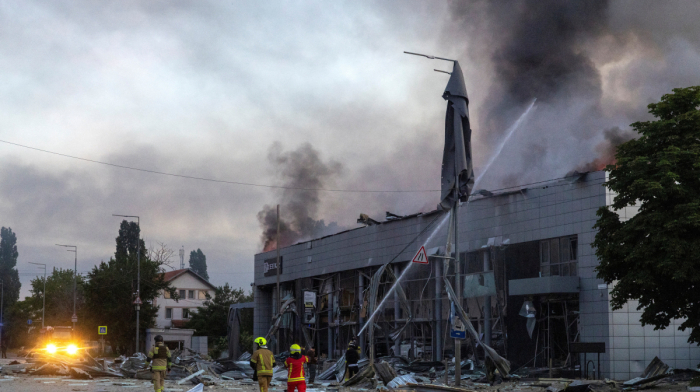
Competing narratives continue to shape perceptions of the war in Ukraine, with Russian leadership suggesting a possible end phase while Ukrainian officials warn of renewed large-scale attacks and ongoing escalation risks.
U.S. Secretary of State Marco Rubio has held talks with Lebanese President and Israeli Prime Minister on efforts to ease tensions between Israel and Lebanon. According to a U.S. official, Washington has proposed a plan aimed at achieving a gradual de-escalation of hostilities.
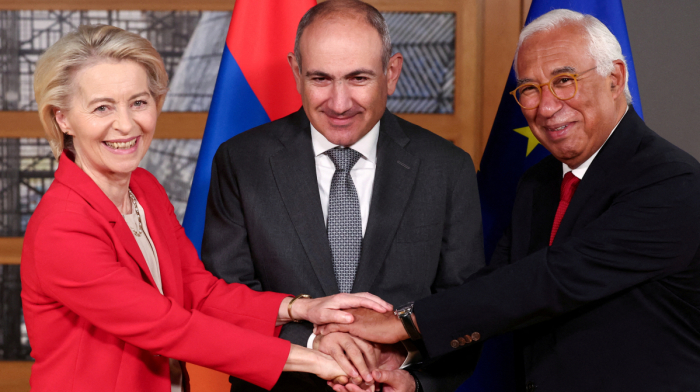
When Armenians vote on 7 June, they will be voting in an election shaped by months of political change and a rapidly deepening relationship with the European Union. The result may not only determine who governs Armenia but also the future direction of the country's geopolitical alignment.
Unsealed records from the U.S. Department of Justice have renewed scrutiny of lawyer Robert Amsterdam after documents revealed communications between his law firm and Jeffrey Epstein's office. The disclosures have drawn attention because of Amsterdam's prominent role in Armenia.
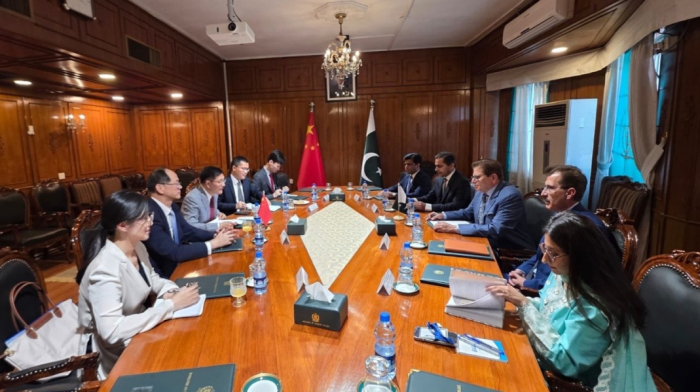
China’s Special Envoy for Afghanistan, Yue Xiaoyong, has met Pakistan’s Special Representative for Afghanistan, Mohammad Sadiq, in Islamabad to discuss the China-facilitated Urumqi Process and regional security concerns.
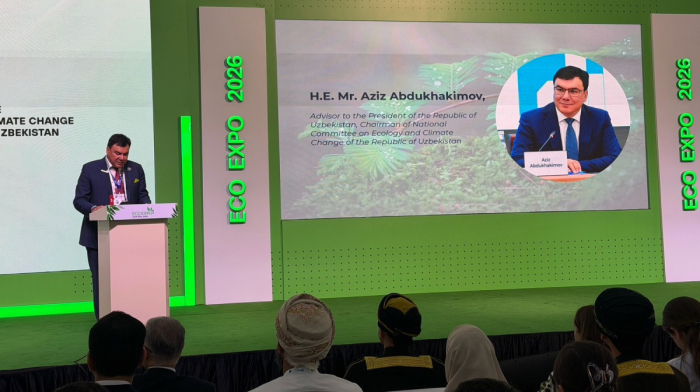
International organisations, investors, environmental experts and business representatives gathered in Samarkand for the opening of Eco Expo Central Asia 2026, one of the region's largest environmental events focused on green growth, climate resilience and sustainable development.
Armenian Prime Minister Nikol Pashinyan has said Yerevan remains committed to normalising relations with Azerbaijan and Türkiye, expressing confidence that decades of regional hostility will eventually give way to lasting stability.
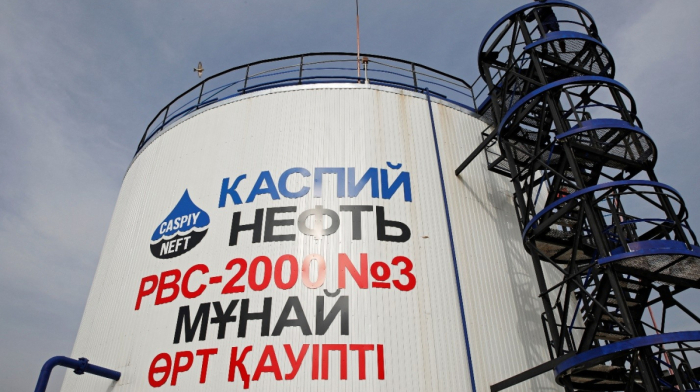
Kazakhstan has restored oil production after an accident at the Tengiz oil field briefly disrupted output last week, while also signalling its readiness to increase crude shipments through the Baku–Tbilisi–Ceyhan (BTC) pipeline.
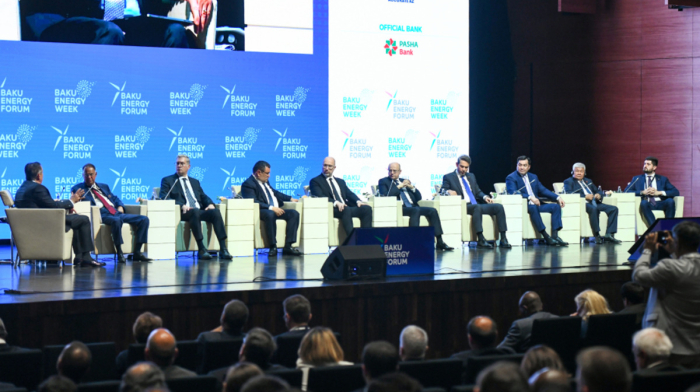
Baku has once again become a focal point for international energy diplomacy, investment and strategic cooperation, as Baku Energy Week brings together policymakers, industry leaders and investors from around the world.
You can download the AnewZ application from Play Store and the App Store.
What is your opinion on this topic?
Leave the first comment