Lebanon’s Hezbollah said it had stopped firing on northern Israel and Israeli forces on Wednesday as part of a two-week ceasefire in the Middle East brokered between the United States and Iran. However, a Hezbollah lawmaker warned that the pause could collapse if Tel Aviv does not adhere to it.
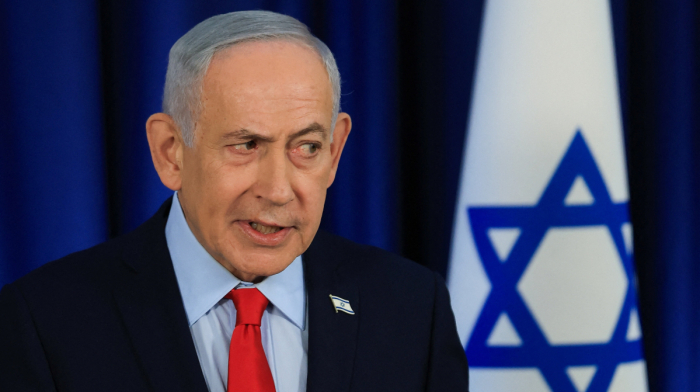
Israeli Prime Minister Benjamin Netanyahu stated overnight that the ceasefire did not cover Lebanon, with the Israeli military continuing operations against Hezbollah positions.
“The battle in Lebanon continues, and the ceasefire does not include Lebanon,” military spokesperson Avichay Adraee said on X, while reiterating evacuation orders for residents in southern Lebanon.
This stance contradicts Pakistani Prime Minister Shehbaz Sharif, a key intermediary in U.S.-Iran talks, who said Lebanon would be included in the ceasefire.
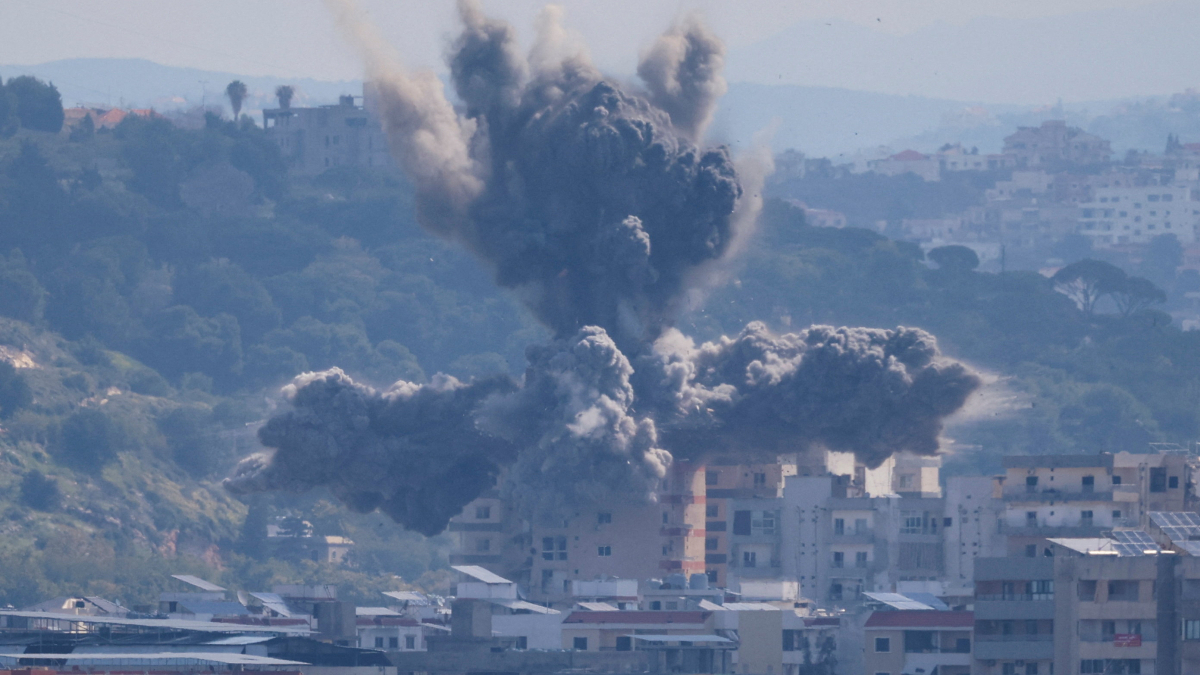
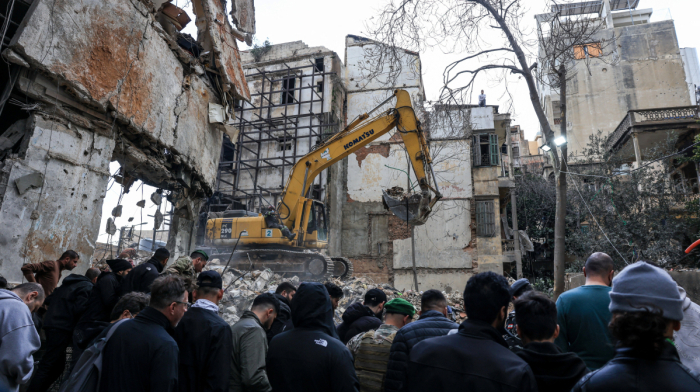
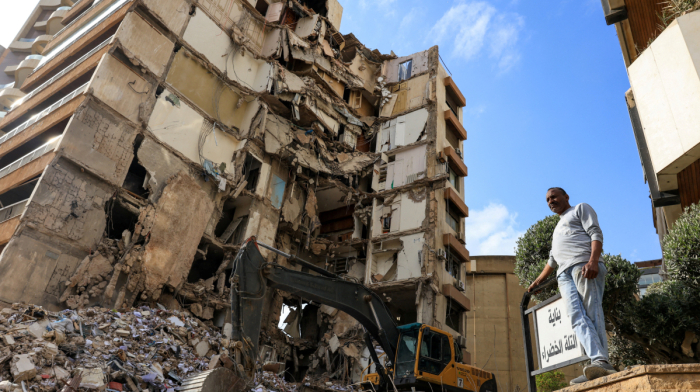
Lebanese sources reported ongoing Israeli strikes across southern Lebanon, including artillery shelling and a dawn airstrike near a hospital that killed four people. Another attack on the southern city of Sidon killed eight and wounded 22, according to Lebanon’s health ministry.
Israeli military confirm it completed a wide-scale and large strikes targeting command centres and military infrastructure of the Hezbollah across Beirut on Wednesday. It said that most of the infrastructure that was struck was located within civilian areas.
Hezbollah reportedly ceased attacks early Wednesday (8 April), though the group is expected to issue a formal statement clarifying its position on the ceasefire and Israel’s exclusion.
French President Emmanuel Macron stressed that Lebanon must be included in any regional ceasefire, highlighting the country’s fragile situation and France’s historic ties with Beirut.
Humanitarian impact
Israel has issued evacuation orders affecting roughly 15% of Lebanese territory since 2 March, mostly in southern areas and suburbs south of Beirut. More than 1.2 million people have been displaced, according to local authorities.
“Hopefully a ceasefire will be reached, because Lebanon can’t take it anymore. The country is collapsing economically, and everything is collapsing,” said Ahmed Harm, a 54-year-old displaced resident from Beirut’s southern suburbs.
Warnings from the Israeli military indicate potential further attacks on Tyre and southern Beirut neighbourhoods.
Regional tensions
Hezbollah lawmaker Ibrahim Moussawi told local media, “If the Israeli enemy does not adhere to a ceasefire, then no party will commit to it, and there will be a response from the region, including Iran.”
Lebanese officials confirmed that Beirut was not directly involved in the ceasefire negotiations and emphasised that only the Lebanese authorities are authorised to represent Lebanon in such talks.
Since 2 March, more than 1,500 people have been killed in Israel’s military campaign across Lebanon, including more than 130 children and more than 100 women. At least 400 Hezbollah fighters have been reported killed, while Israel has confirmed the deaths of at least 10 soldiers in southern Lebanon.
Israel has stated its intention to occupy southern Lebanon up to the Litani River, citing the creation of a “security zone” to protect northern residents.
Lebanese President Joseph Aoun welcomed the U.S.-Iran ceasefire and reiterated efforts to ensure Lebanon’s inclusion in any lasting regional peace agreement.













What is your opinion on this topic?
Leave the first comment