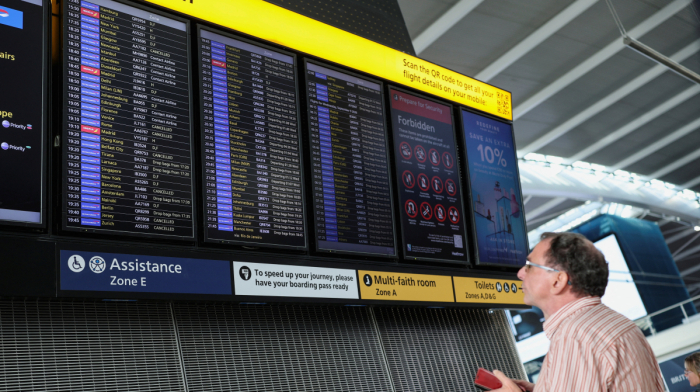
Dubai has restricted foreign airlines to one daily flight to its airports until 31 May due to the Iran crisis, raising fears of significant revenue losses for Indian carriers, industry letters show.
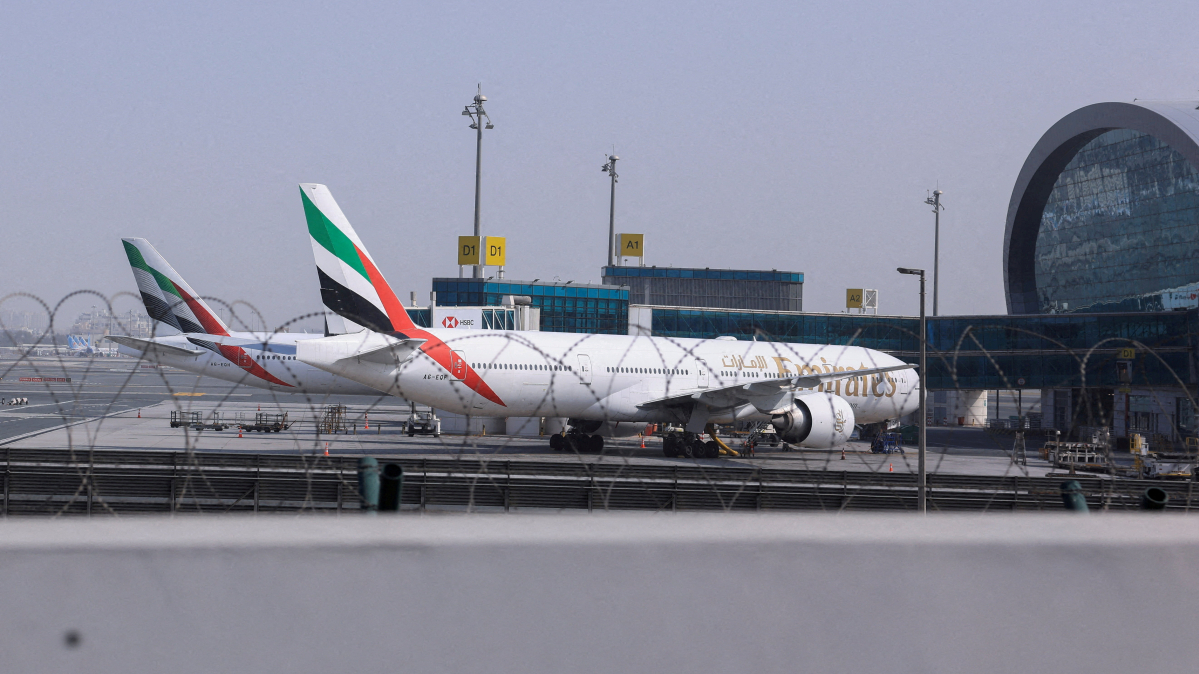
In a private email to airlines on 27 March, Dubai Airports said carriers would be allowed one round trip per day to Dubai International Airport (DXB), normally the world’s busiest international travel hub, and the smaller Al Maktoum International Airport (DWC).
The restrictions will last throughout the summer season between 20 April and 31 May, extending restrictions implemented after the war began.
The Federation of Indian Airlines (FIA), which represents IndiGo, Air India and SpiceJet, has urged New Delhi to press Dubai authorities to lift the curbs. Failing that, it called for reciprocal measures against UAE carriers including Emirates and flydubai.
The group said the restrictions were not being applied equally to Dubai-based airlines, creating an uneven playing field that could lead to “substantial” financial losses.
Airlines under pressure
Indian carriers are already facing mounting challenges, including higher fuel costs and longer flight routes after being barred from using Pakistani airspace following military tensions between the two countries.
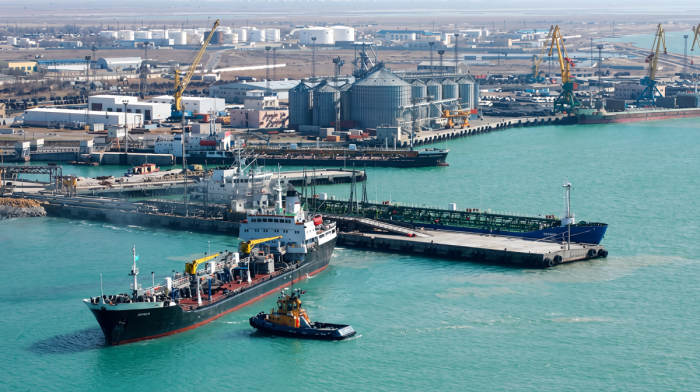
The energy crisis is rooted in escalating tensions around the Strait of Hormuz, widely regarded as the world’s most critical energy chokepoint.
According to the International Energy Agency, roughly a quarter of global seaborne oil trade passes through the narrow waterway, along with a significant share of global liquefied natural gas shipments, making disruptions there a major driver of global economic instability.
Recent weeks have seen a sharp decline in shipping traffic through the Strait, with volumes falling to a fraction of normal levels amid the conflict.
The disruption has contributed to rising oil prices and increased volatility across global energy markets, adding to cost pressures already facing airlines.
Scale of impact
The latest curbs are expected to hit Indian carriers the hardest, given their dominant presence in Dubai. India was the largest source of passengers for Dubai’s main airport in 2025, with 11.9 million travellers passing through the hub.
According to aviation data firm Cirium, Air India Express and Air India had scheduled more than 750 flights into Dubai for April and May, while IndiGo planned 481 flights. By comparison, Saudia and Gulf Air had planned 480 and 404 flights respectively, and SpiceJet 61.
Under the new cap, foreign airlines would be limited to around 30-31 flights per month, a sharp reduction from previous schedules.
IndiGo said the restrictions had “significantly constrained” its operations, noting it had planned up to 15 daily flights between India and Dubai for the summer season.
Industry consequences
Several international carriers, including Lufthansa, Singapore Airlines and British Airways, have suspended flights to Dubai until at least 31 May, citing the regional situation.
Some airlines are instead increasing non-stop Asia-Europe services to capitalise on strong passenger demand and rising fares.
The dispute also reflects long-standing tensions over bilateral air service agreements, with Gulf carriers arguing that India limits seat capacity, while New Delhi maintains such measures are needed to protect domestic airlines in a highly competitive market.
















What is your opinion on this topic?
Leave the first comment