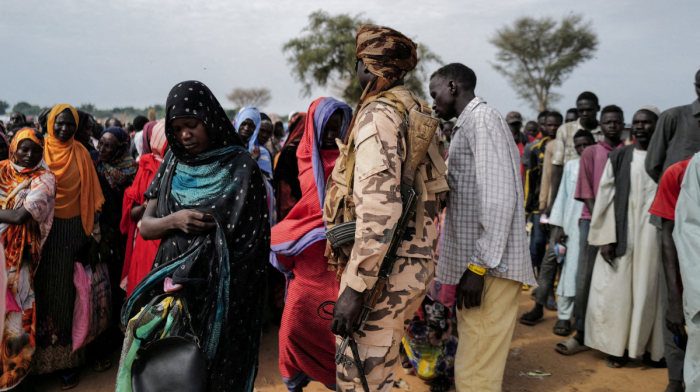
Sudan’s Forgotten War: The world’s largest and most severe hunger and displacement crisis
More than a million Sudanese refugees now face drastic cuts to life-saving aid, including food and water, after major funding shortfalls have left ...
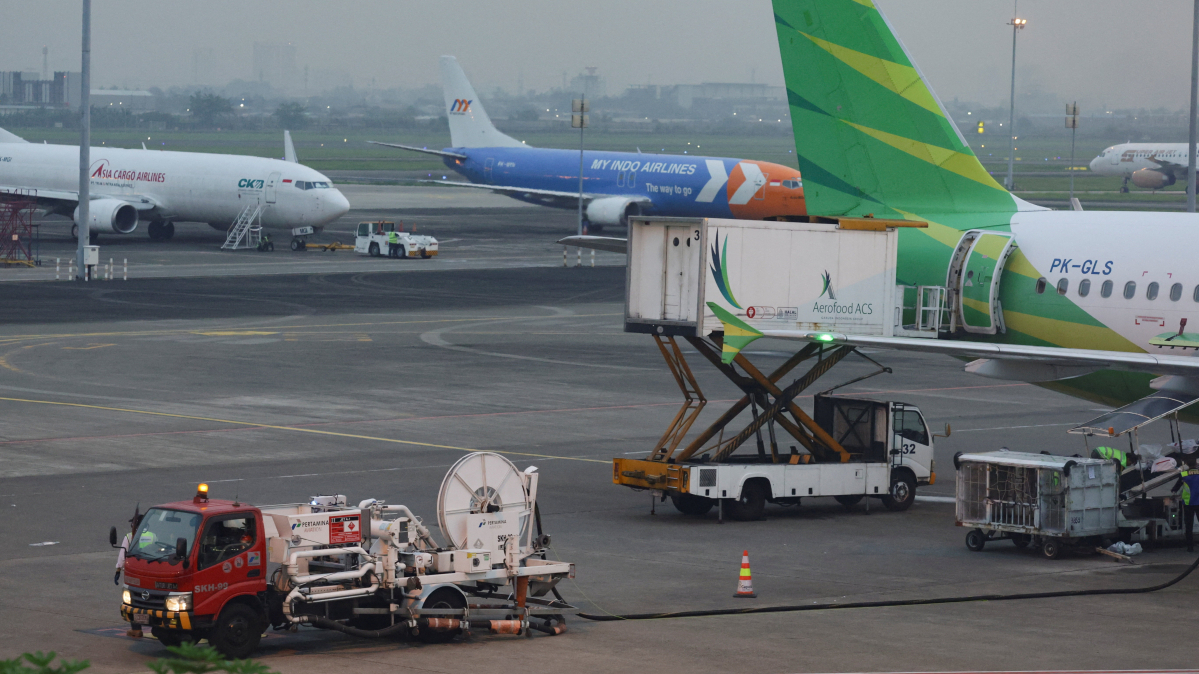
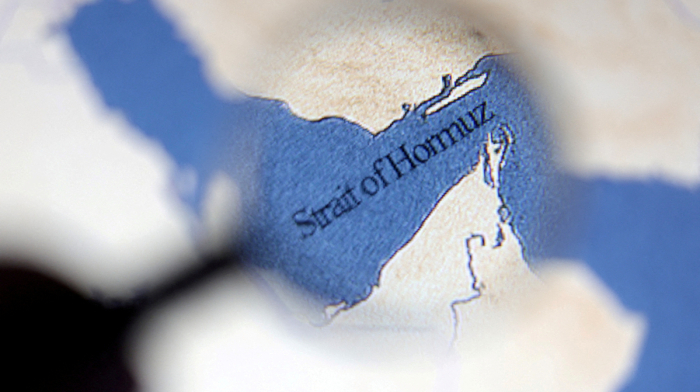
The head of a body representing global airlines said on Wednesday that even if Iran reopened the Strait of Hormuz it would take months for jet fuel supply to recover given disruptions to Middle East refining capacity.
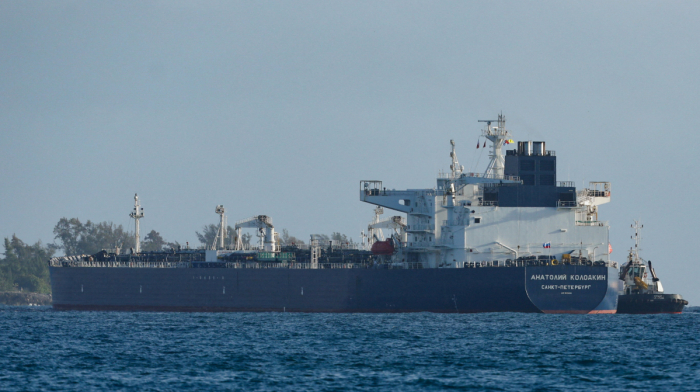
Oil fell below $100 per barrel after U.S. President Donald Trump said he had agreed to a two-week ceasefire with Iran that was subject to the immediate and safe reopening of the Strait of Hormuz, which normally carries about a fifth of the world's oil trade.
Director General of the International Air Transport Association (IATA), Willie Walsh, told reporters in Singapore that while he expected crude oil prices to fall, jet fuel costs were likely to remain slightly elevated due to the impact on refineries.
"If it were to reopen and remain open, I think it will still take a period of months to get back to where supply needs to be given the disruption to the refining capacity in the Middle East, which is a critical part of the global supply of refined products, and not just jet fuel for other products as well," Walsh said.
Airlines across Asia have been cutting flights, carrying extra fuel from home airports and adding refuelling stops as the Middle East conflict squeezes jet fuel supply, adding to pressure on an industry already hit by a doubling of jet fuel prices.
The pain has so far been sharpest in lower-income, import-dependent markets such as Vietnam, Myanmar and Pakistan after China and Thailand halted jet fuel exports and South Korea capped them at last year’s levels.
If crude started flowing again then "I would like to think" that China as well as South Korea would restart their exporting of refined products, Walsh said.
"So there is (refining) capacity available once we get the crude oil flowing, but it'll take a little bit of time, and with the crack spread elevated the way it is, I think that provides an incentive for refineries to increase the production of jet fuel," Walsh said.
The crack spread refers to refinery margins.
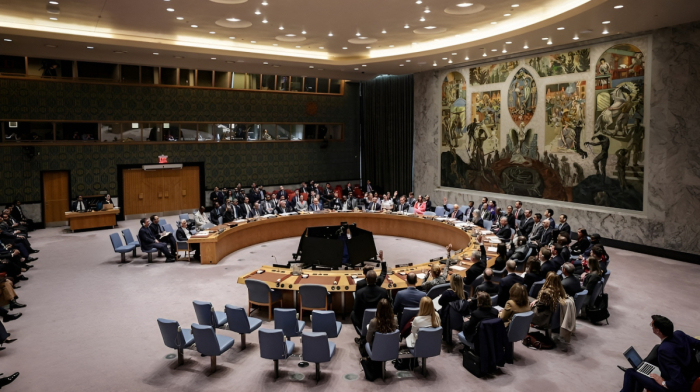
China and Russia vetoed a United Nations Security Council resolution on Tuesday aimed at coordinating defensive efforts to protect commercial shipping in the Strait of Hormuz, leaving no agreed international framework for securing the vital route.
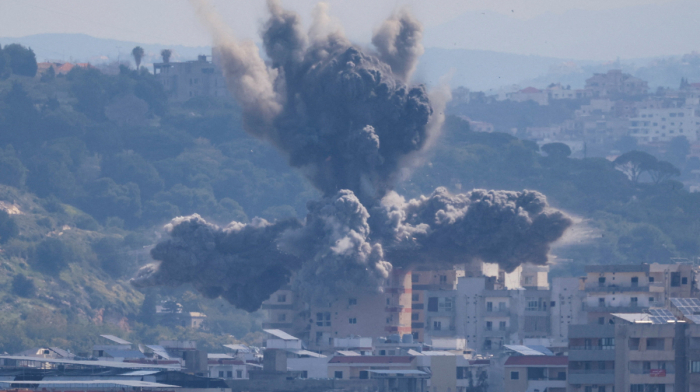
Lebanon’s Hezbollah said it had stopped firing on northern Israel and Israeli forces on Wednesday as part of a two-week ceasefire in the Middle East brokered between the United States and Iran. However, a Hezbollah lawmaker warned that the pause could collapse if Tel Aviv does not adhere to it.
Pakistan’s Prime Minister Shehbaz Sharif said Iran and the United States, along with their allies, have agreed to an immediate two-week ceasefire covering all areas, but Israel says the deal excludes Lebanon. Tel Aviv says the U.S. is committed to achieving shared goals in upcoming negotiations.
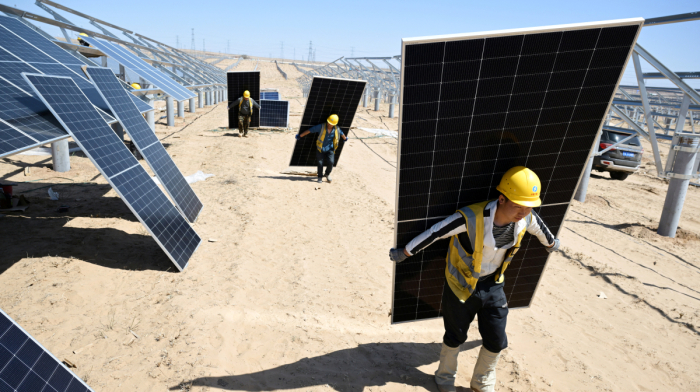
Construction has begun on a major new solar power project in Xizang, as China continues to expand its renewable energy capacity and push towards a greener future.
Iran suggested it would be "unreasonable" to proceed with talks to forge a permanent peace deal with the U.S. after Israel pounded Lebanon with its heaviest strikes yet on Wednesday, killing hundreds of people. The warning came from Iran's lead negotiator, parliament speaker Mohammed Bager Qalibaf.
Iranian officials have criticised ceasefire violations by Isreal and U.S., citing Israeli airstrikes on Lebanon on Wednesday (8 April), an intrusion of a military drone, and a U.S. denial of Tehran’s right of nuclear enrichment, on the first day of the two-week ceasefire on Wednesday.
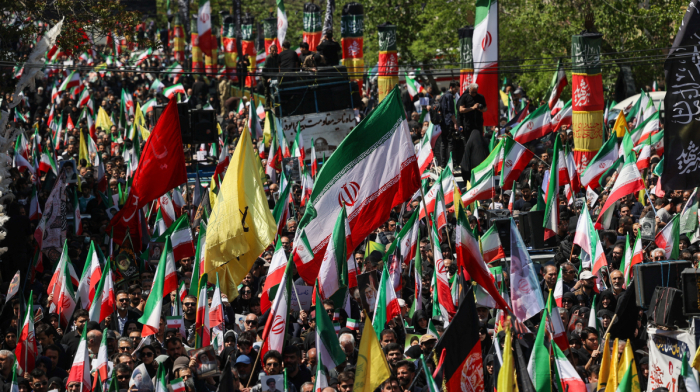
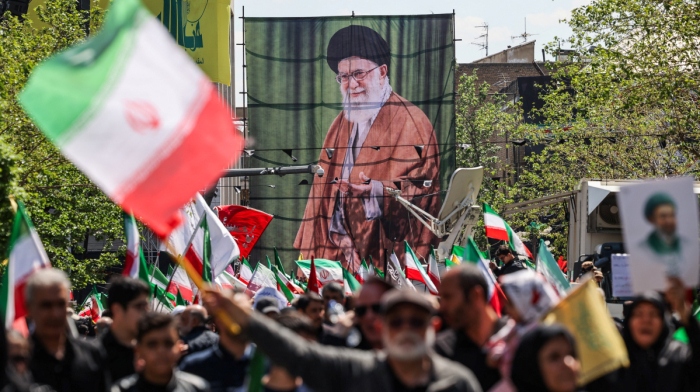
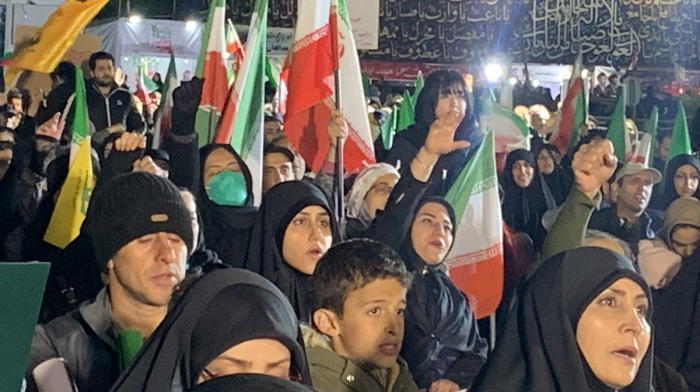
Memorial events were held in Tehran’s main squares on Wednesday (8 April) to mark the 40th day since the killing of former Supreme Leader Ayatollah Ali Khamenei, who died during U.S.-Israeli attacks on 28 February.
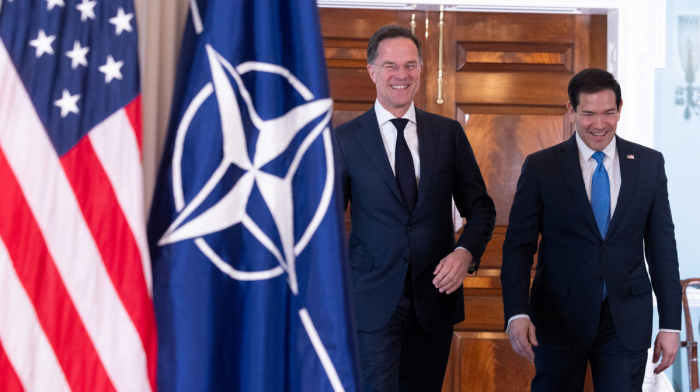
NATO Secretary General Mark Rutte said on Wednesday he believes that some NATO countries were tested and failed amid Washington's criticism over European allies not getting involved in the U.S. and Israel's war against Iran.
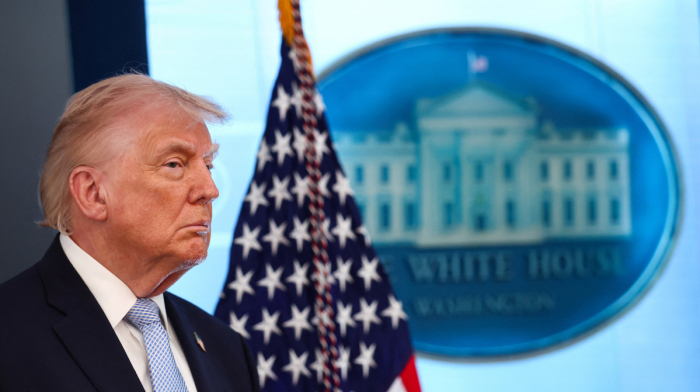
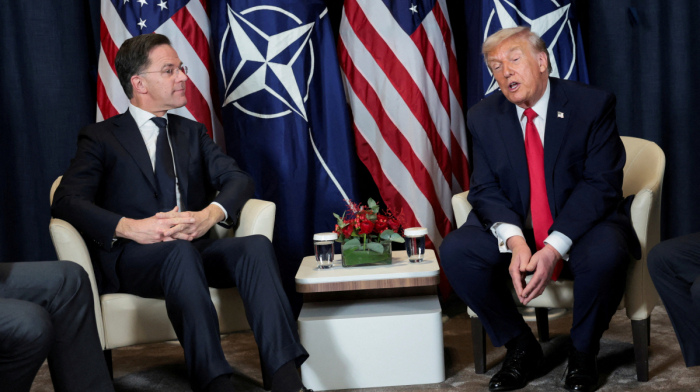
U.S. President Donald Trump vented his frustration with NATO during a private meeting with its secretary-general, Mark Rutte, on Wednesday as relations in the military alliance reached a crisis point over the Iran war.
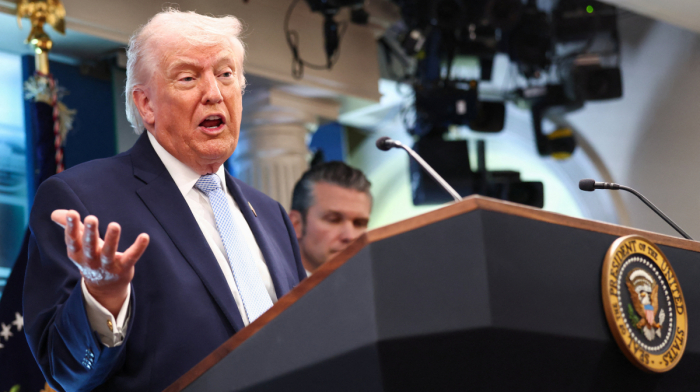
U.S. President Donald Trump said on Wednesday its military ships and aircraft will remain around Iran and threatened that the U.S. will start "shooting" again unless Tehran fully complies with the deal reached with Washington.
You can download the AnewZ application from Play Store and the App Store.
What is your opinion on this topic?
Leave the first comment