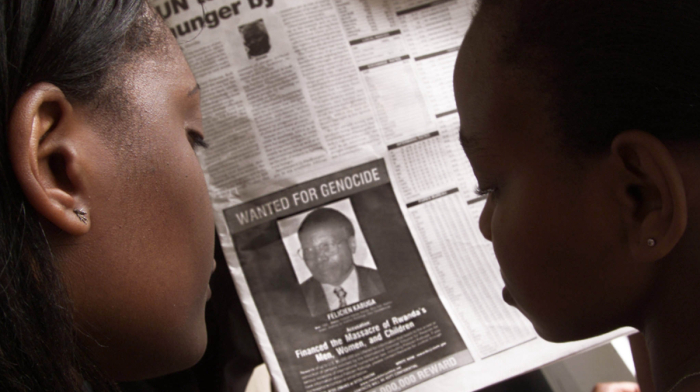
live U.S. President Trump asks NATO allies for urgent support in Hormuz, diplomats say - Thursday 9 April
Iran suggested it would be "unreasonable" to proceed with talks to forge a permanent peace d...
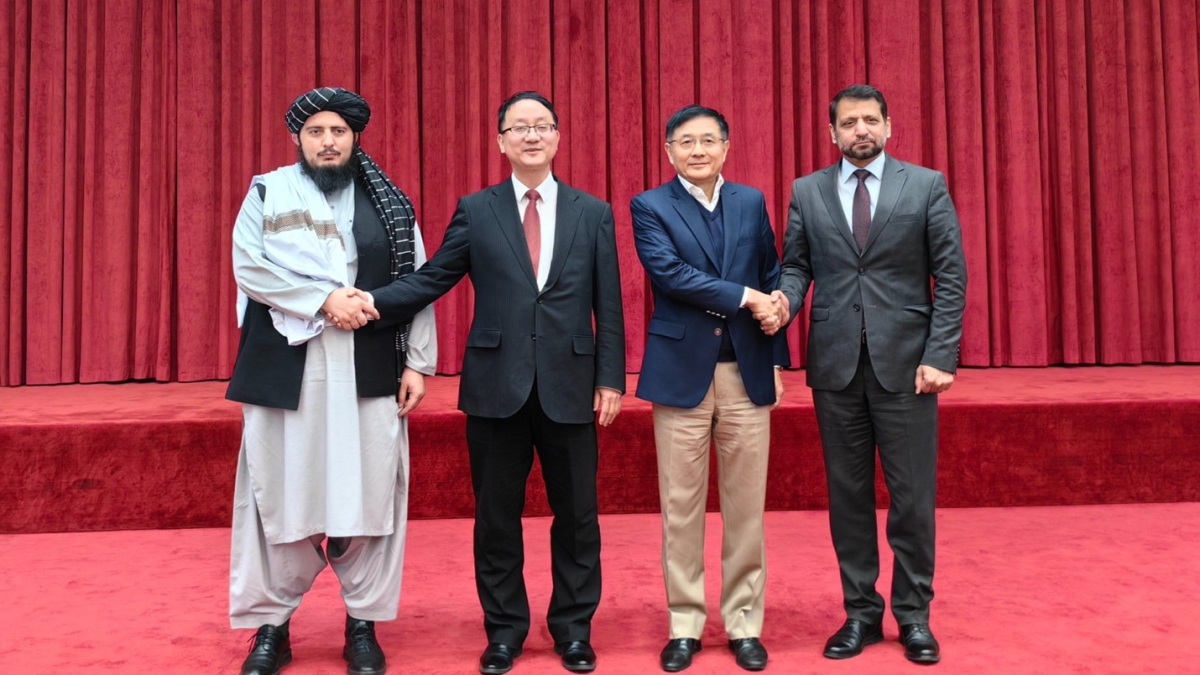
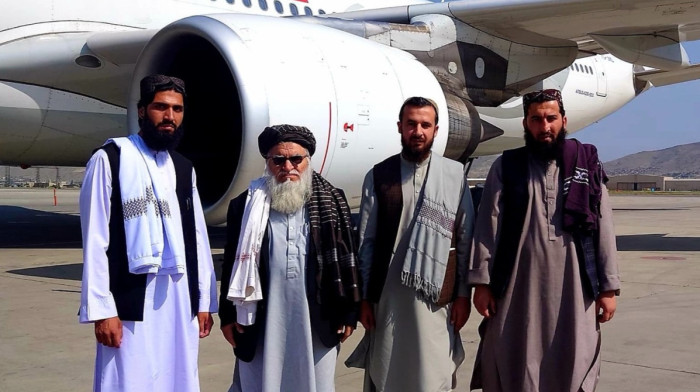
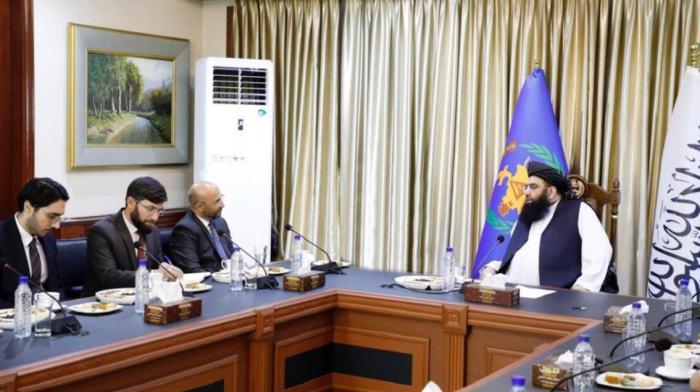
Afghanistan and Pakistan have agreed to continue dialogue and avoid steps that could worsen tensions after China-hosted talks in Urumqi, with Kabul and Beijing saying the meetings focused on easing differences and improving relations.
Afghanistan’s Ministry of Foreign Affairs said talks with the Pakistani delegation, held in Urumqi at China’s initiative, concluded after discussions in what it described as a “constructive atmosphere.”
In a statement, the ministry said the two sides held “comprehensive discussions” on bilateral relations, security issues and matters linked to regional stability.
The ministry also thanked China for its role in hosting and facilitating the talks, adding that it hoped the process would help strengthen “confidence-building, sustained relations, mutual understanding, and effective cooperation.”
China’s foreign ministry said representatives from China, Afghanistan and Pakistan held informal talks in Urumqi from 1 to 7 April, with officials from foreign affairs, defence and security participating.
According to Beijing, the Afghan and Pakistani sides agreed to “refrain from actions that may escalate or complicate the situation” and to work towards resolving differences as soon as possible.
Chinese foreign ministry spokesperson Mao Ning said the two sides had agreed to continue communication and dialogue, adding that the Urumqi process had “practical” or substantive importance and that meetings at different levels were expected to continue.
China also said the three sides had agreed to discuss a comprehensive plan for resolving issues in Afghanistan–Pakistan relations and had identified the core and priority issues.
Pakistan has not issued a detailed public statement following the Urumqi talks.
However, Reuters reported that Pakistan’s military leadership, under Chief Field Marshal Asim Munir, had earlier vowed to continue operations until “militant havens” and cross-border threats were eliminated. Islamabad says those threats are linked to armed groups operating from Afghan territory, an allegation Kabul denies.
In a separate response, the UK Special Representative for Afghanistan, Richard Lindsay, welcomed the contacts and said continued dialogue was the only path to de-escalation and lasting peace.
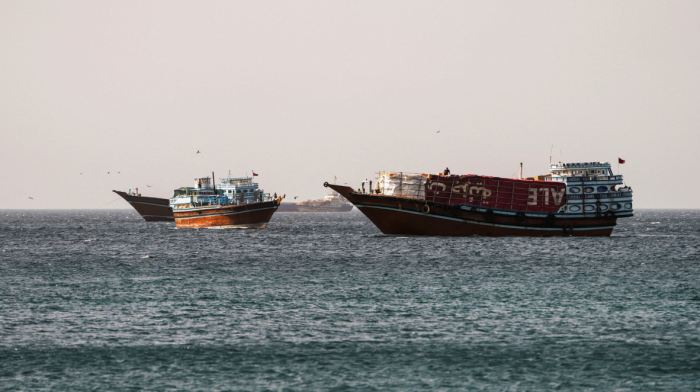
China and Russia vetoed a United Nations Security Council resolution on Tuesday aimed at coordinating defensive efforts to protect commercial shipping in the Strait of Hormuz, leaving no agreed international framework for securing the vital route.
Lebanon’s Hezbollah said it had stopped firing on northern Israel and Israeli forces on Wednesday as part of a two-week ceasefire in the Middle East brokered between the United States and Iran. However, a Hezbollah lawmaker warned that the pause could collapse if Tel Aviv does not adhere to it.
Pakistan’s Prime Minister Shehbaz Sharif said Iran and the United States, along with their allies, have agreed to an immediate two-week ceasefire covering all areas, but Israel says the deal excludes Lebanon. Tel Aviv says the U.S. is committed to achieving shared goals in upcoming negotiations.
Construction has begun on a major new solar power project in Xizang, as China continues to expand its renewable energy capacity and push towards a greener future.
Iran suggested it would be "unreasonable" to proceed with talks to forge a permanent peace deal with the U.S. after Israel pounded Lebanon with its heaviest strikes yet on Wednesday, killing hundreds of people. The warning came from Iran's lead negotiator, parliament speaker Mohammed Bager Qalibaf.
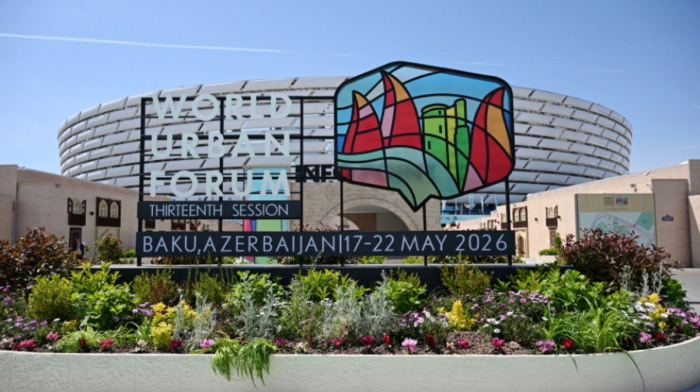
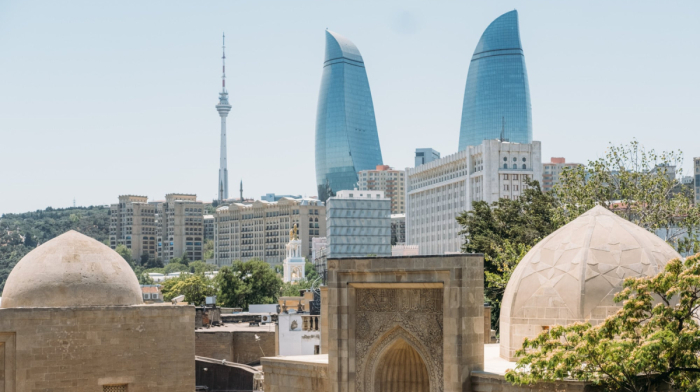
Lithuania’s Prime Minister’s visit to Azerbaijan on 9 April signals a deepening strategic dialogue between Baku and European partners. Analysts say economic interests and geopolitical shifts are driving closer engagement.
Italian Prime Minister Giorgia Meloni said on Thursday (9 April) that restoring freedom of navigation in the Strait of Hormuz is a vital interest for both Italy and the European Union, pledging coordination with international partners to ensure safe passage.
Kazakhstan says oil exports via the Caspian Pipeline Consortium (CPC) remain stable after drone strikes on facilities near Novorossiysk, despite damage to key infrastructure and rising risks to a major export route.
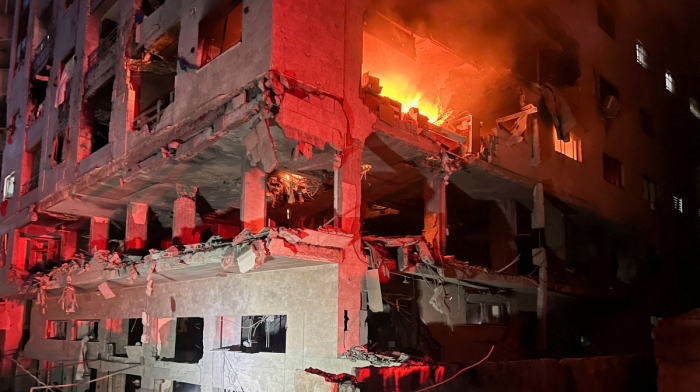
Israel launched its heaviest strikes on Lebanon since hostilities escalated last month, killing over 100 people, even as Hezbollah halted attacks under a disputed U.S.-Iran ceasefire.
Turkish President Recep Tayyip Erdoğan has said Türkiye aims to rank among the world’s top ten exporters of defence technology within the next two years.
You can download the AnewZ application from Play Store and the App Store.
What is your opinion on this topic?
Leave the first comment