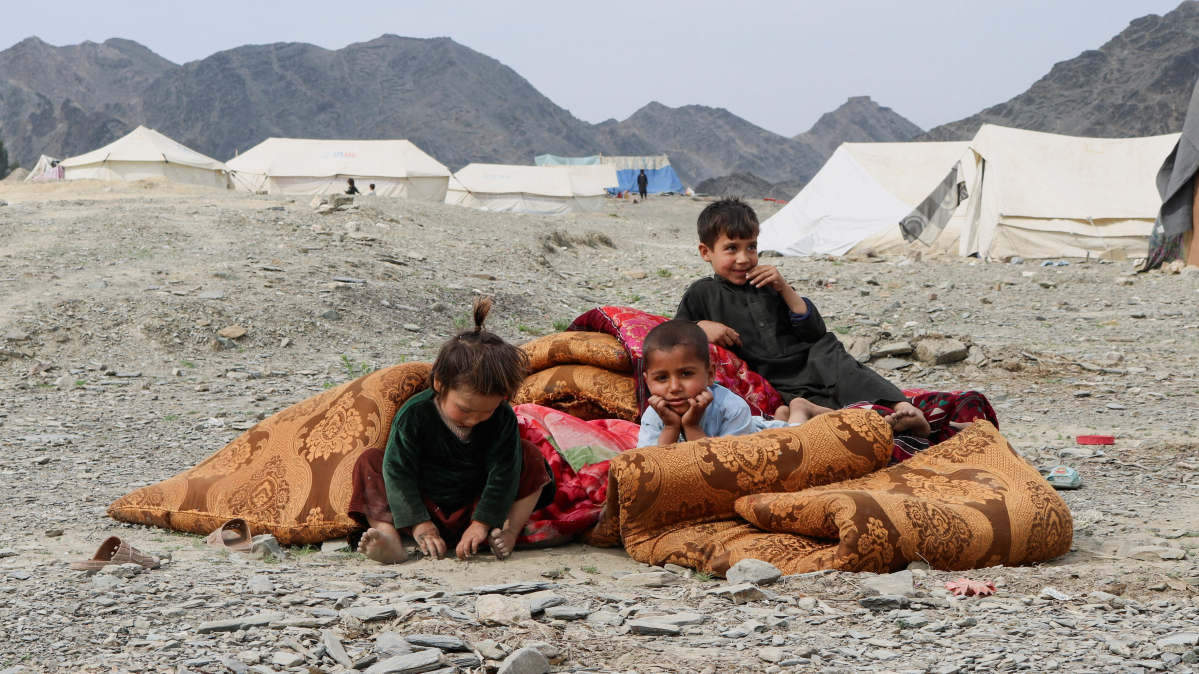
More than 94,000 people have been displaced in Afghanistan since late February due to cross-border fighting, the UN humanitarian agency OCHA said, while nearly 100,000 in Nuristan remain cut off from aid due to insecurity.
In its latest report, the United Nations Office for the Coordination of Humanitarian Affairs (OCHA) said “just over 94,000 people” have so far been assessed as displaced across Khost, Kunar, Nangarhar, Paktia and Paktika provinces. The agency added that needs assessments are still ongoing, including in Nuristan, meaning the full scale of displacement may not yet be clear.
OCHA also reported that humanitarian access to “almost 100,000 people” living in Bargematal and Kamdesh districts of Nuristan Province “has not been possible since the end of February” due to sustained hostilities and severe access constraints.
The agency said the main road used to reach those districts runs close to the Afghanistan–Pakistan border and is exposed to military positions, making it too dangerous for civilians and aid workers. It added that one aid worker travelling with her family came under cross-border fire on 18 March and was killed along with her son.
According to OCHA, residents in those districts have been left without adequate access to markets or health services, while “severe shortages of food and essential items have been reported”.
The report also stated that civilian casualties have reached several hundred, including children and one humanitarian worker. OCHA added that 25 health facilities and 41 schools across several provinces have been damaged, closed or suspended due to shelling and insecurity. At least 345 homes have also been destroyed or severely damaged, according to the agency.
Afghan authorities have not yet publicly commented on the OCHA report. However, Afghanistan’s Ministry of Foreign Affairs said talks with Pakistan in Urumqi, hosted by China, had been “constructive”, raising cautious hopes that diplomacy may still prevent further escalation.













What is your opinion on this topic?
Leave the first comment