Nepal flood death toll reaches 162 as rescuers search for survivors
Rescuers in Nepal used helicopters on Thursday to scour for hundreds still missing after a wall of mud and rock co...
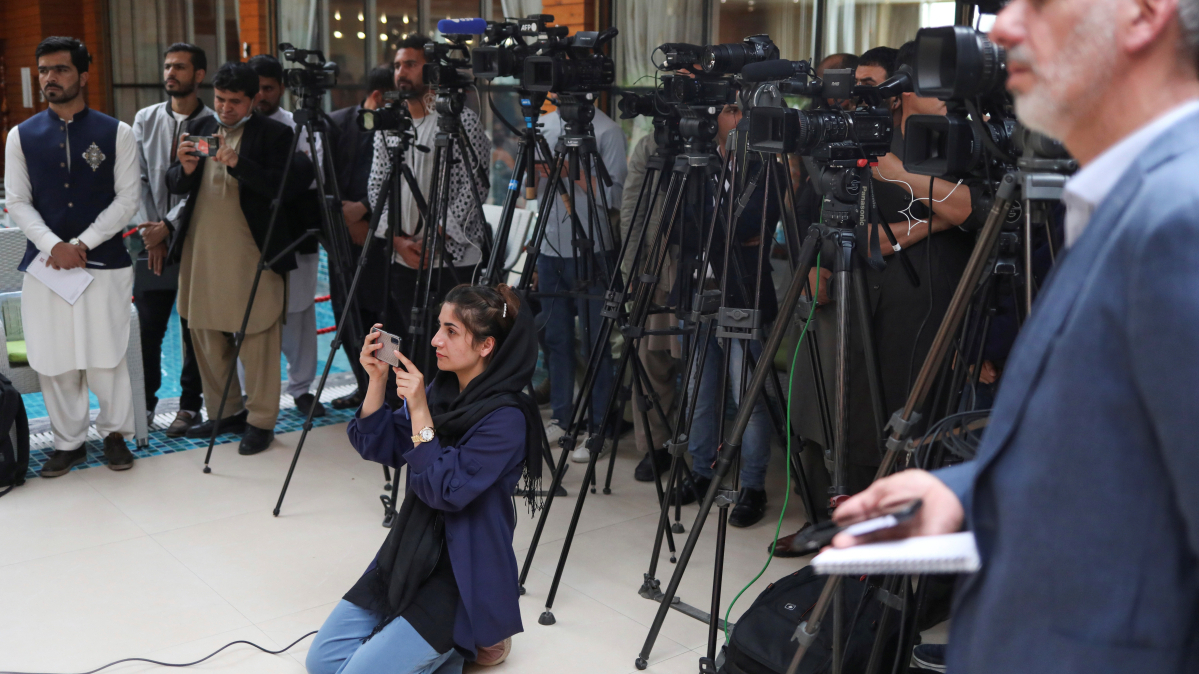
Three Afghan journalists have been detained by Afghan intelligence officials in Kabul, according to media support groups, raising fresh concerns about press freedom in Afghanistan.
The detained journalists have been identified as Mansoor Niazi and Imran Danish of TOLOnews, and Jawid Niazi of Paigard News Agency.
Media support groups said the journalists were taken into custody by Afghanistan’s General Directorate of Intelligence in Kabul. The reasons for their detention have not been publicly disclosed.
TOLOnews confirmed that two of its journalists, Imran Danish and Mansoor Niazi, had been detained in Kabul. The broadcaster said Afghan officials told its newsroom that further details would be shared following the completion of relevant legal procedures.
AnewZ contacted Afghan officials in Kabul for comment on the recent arrests. It had not received a response at the time of publication.
Amnesty International said it was deeply concerned by reports of the arrests and the disappearance of the three journalists.
“Amnesty International is deeply concerned by media reports regarding the arbitrary arrest and enforced disappearance of three Afghan journalists.”
The rights group said the case appeared to form part of ongoing pressure on journalists and media workers in Afghanistan.
“These actions appear to be part of a broader and continuing pattern of intimidation and reprisals against journalists and media workers in Afghanistan.”
Amnesty International added: “The Taliban de facto authorities must immediately disclose the fate and whereabouts of Mansoor Niazi, Imran Danish and Jawid Niazi.”
The Afghanistan Journalists Center (AFJC) also condemned what it described as a recent wave of arrests and threats against journalists in Afghanistan.
AFJC said at least three journalists had been detained by the de facto General Directorate of Intelligence in Kabul and that their whereabouts remained unknown.
The organisation called for the immediate and unconditional release of journalists detained for their work.
“Journalists must be able to carry out their work without fear of harassment, intimidation or detention.”
AFJC added that, according to its Press Freedom Tracker, at least seven journalists are currently known to be in detention or serving sentences.

Oil prices fell after the U.S. expanded economic sanctions on Iran, as Tehran vowed to retaliate and warned it had tools to respond, raising concerns over potential disruption to regional oil supplies.
Secretary of State Marco Rubio told allied foreign ministers Washington will focus on sanctions and other pressure on Iran “for the time being”, Axios reports. Meanwhile, Iran and Oman have resumed talks on a temporary shipping route through the Strait of Hormuz.
Kyiv has recently received a small number of U.S.-made Patriot interceptors capable of downing Russian ballistic missiles, Ukrainian President Volodymyr Zelenskyy has said. It comes as Britain and France pledged stronger military support for Ukraine.
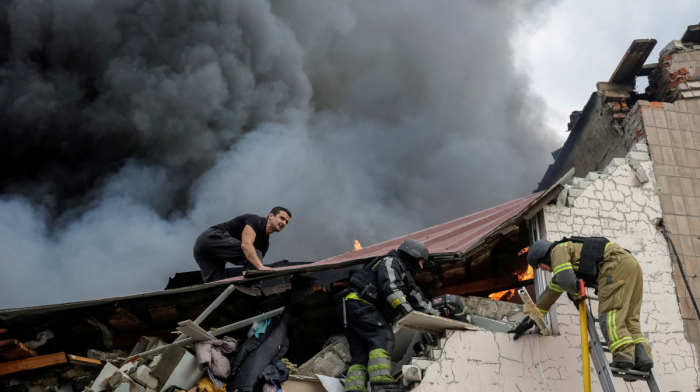
Rescuers in Nepal used helicopters on Thursday to scour for hundreds still missing after a wall of mud and rock collapsed into a river on the Himalayan border with China's Tibet, sending catastrophic floods through towns and valleys, killing 162.
Russia and Ukraine have exchanged 10 prisoners of war each in Belarus, Moscow's Human Rights Commissioner, Yana Lantratova, has said.
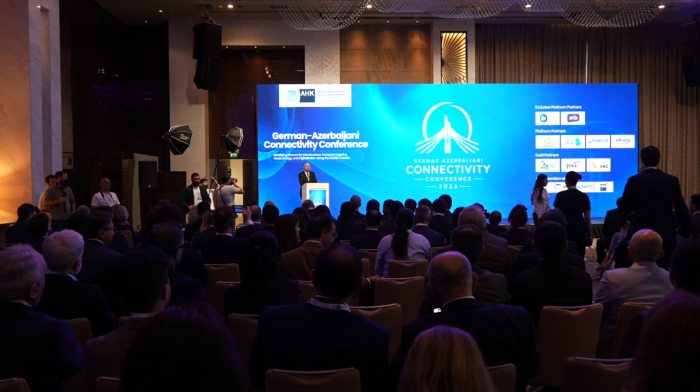
The inaugural Silk Road Finance & Technology Forum brought together policymakers, investors and technology companies as Central Asia looks to build a more connected financial system and compete for a bigger share of global fintech investment.
The Silk Road Finance & Technology Forum will bring more than 6,000 policymakers, investors and technology leaders from 74 countries to Tashkent, as Central Asia seeks a bigger role in the global fintech landscape.
Kazakhstan is considering the Baku-Supsa pipeline as an alternative oil export route after Caspian Pipeline Consortium disruptions cost the country an estimated 3.5 million tonnes of oil, Energy Minister Yerlan Akkenzhenov said.
Kuwait’s Al-Sayer Group plans to export fresh and dried Afghan fruit to Kuwait and other markets while exploring broader trade and investment opportunities in Afghanistan, according to Afghan government statements following talks in Kabul on Tuesday.
Central Asia’s fintech ambitions are in the spotlight as a major forum in Tashkent draws to a close, shifting attention from the region’s potential to the investment, infrastructure and global reach needed to turn that vision into growth.
You can download the AnewZ application from Play Store and the App Store.
What is your opinion on this topic?
Leave the first comment