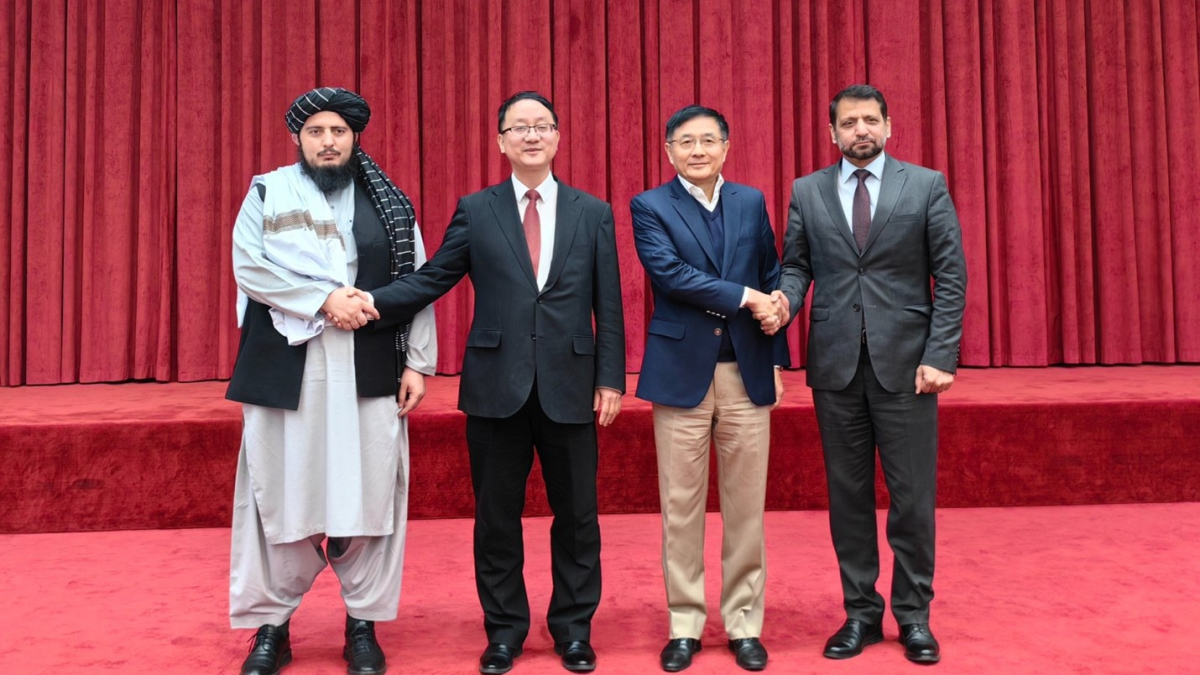
Afghanistan and Pakistan have agreed to continue dialogue and avoid steps that could worsen tensions after China-hosted talks in Urumqi, with Kabul and Beijing saying the meetings focused on easing differences and improving relations.
Afghanistan’s Ministry of Foreign Affairs said talks with the Pakistani delegation, held in Urumqi at China’s initiative, concluded after discussions in what it described as a “constructive atmosphere.”
In a statement, the ministry said the two sides held “comprehensive discussions” on bilateral relations, security issues and matters linked to regional stability.
The ministry also thanked China for its role in hosting and facilitating the talks, adding that it hoped the process would help strengthen “confidence-building, sustained relations, mutual understanding, and effective cooperation.”
China’s foreign ministry said representatives from China, Afghanistan and Pakistan held informal talks in Urumqi from 1 to 7 April, with officials from foreign affairs, defence and security participating.
According to Beijing, the Afghan and Pakistani sides agreed to “refrain from actions that may escalate or complicate the situation” and to work towards resolving differences as soon as possible.
Chinese foreign ministry spokesperson Mao Ning said the two sides had agreed to continue communication and dialogue, adding that the Urumqi process had “practical” or substantive importance and that meetings at different levels were expected to continue.
China also said the three sides had agreed to discuss a comprehensive plan for resolving issues in Afghanistan–Pakistan relations and had identified the core and priority issues.
Pakistan has not issued a detailed public statement following the Urumqi talks.
However, Reuters reported that Pakistan’s military leadership, under Chief Field Marshal Asim Munir, had earlier vowed to continue operations until “militant havens” and cross-border threats were eliminated. Islamabad says those threats are linked to armed groups operating from Afghan territory, an allegation Kabul denies.
In a separate response, the UK Special Representative for Afghanistan, Richard Lindsay, welcomed the contacts and said continued dialogue was the only path to de-escalation and lasting peace.











What is your opinion on this topic?
Leave the first comment