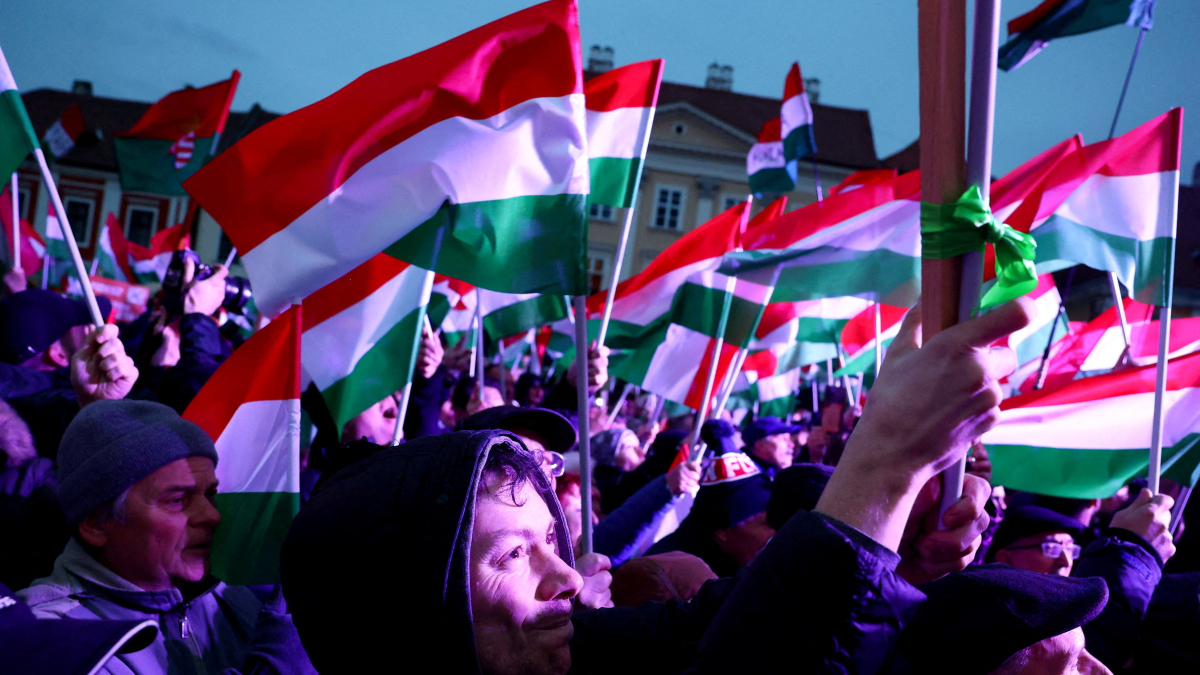
Hungary votes on Sunday in a parliamentary election that could loosen Viktor Orbán’s 16-year hold on power. His ruling Fidesz faces a strong challenge from Péter Magyar’s Tisza party, which has led some polls, though many voters remain undecided.
The vote will test Orbán’s “war or peace” message and whether any party can secure a workable majority in the 199-seat parliament. The result will shape policy on living costs, corruption and Hungary’s direction in Europe, with the U.S. watching closely.
Who are the two main contenders?
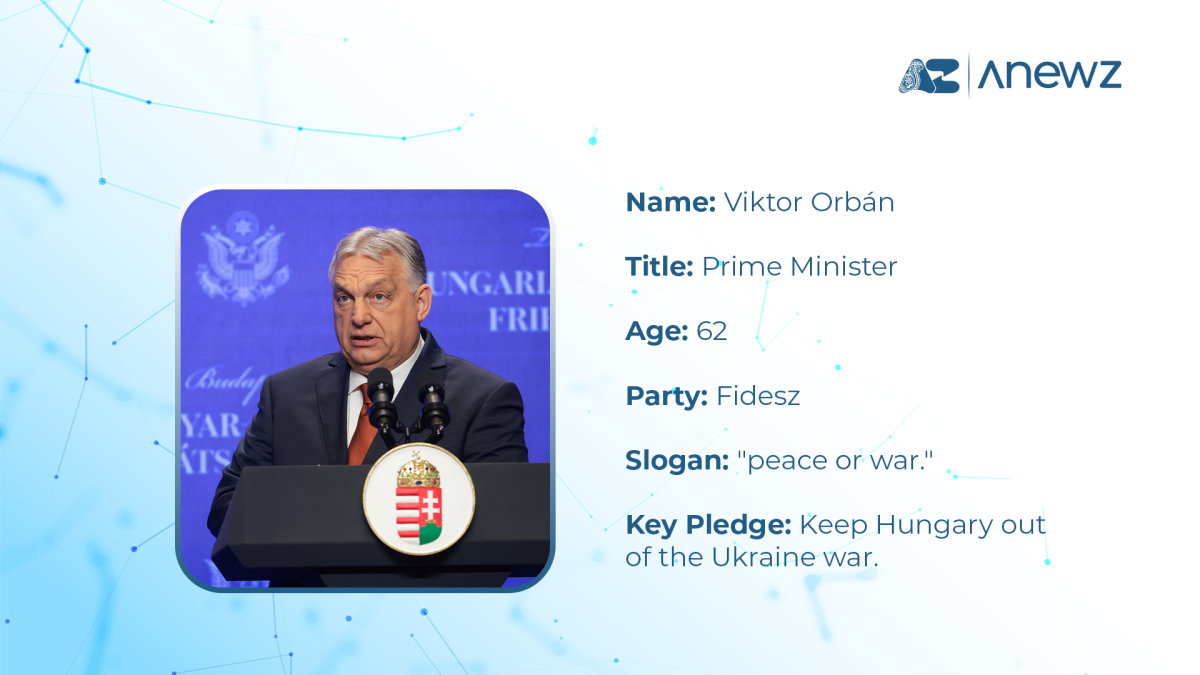
Viktor Orbán
Orbán is a Hungarian lawyer and politician who has served as Prime Minister since 2010, having previously held the office from 1998 to 2002. As leader of the national-conservative Fidesz (Hungarian Civic Alliance), he has reshaped Hungary into what he describes as an “illiberal democracy”, prioritising national sovereignty, strict anti-migration policies and traditional family values, while maintaining close strategic ties with the Trump administration, Russia and China.
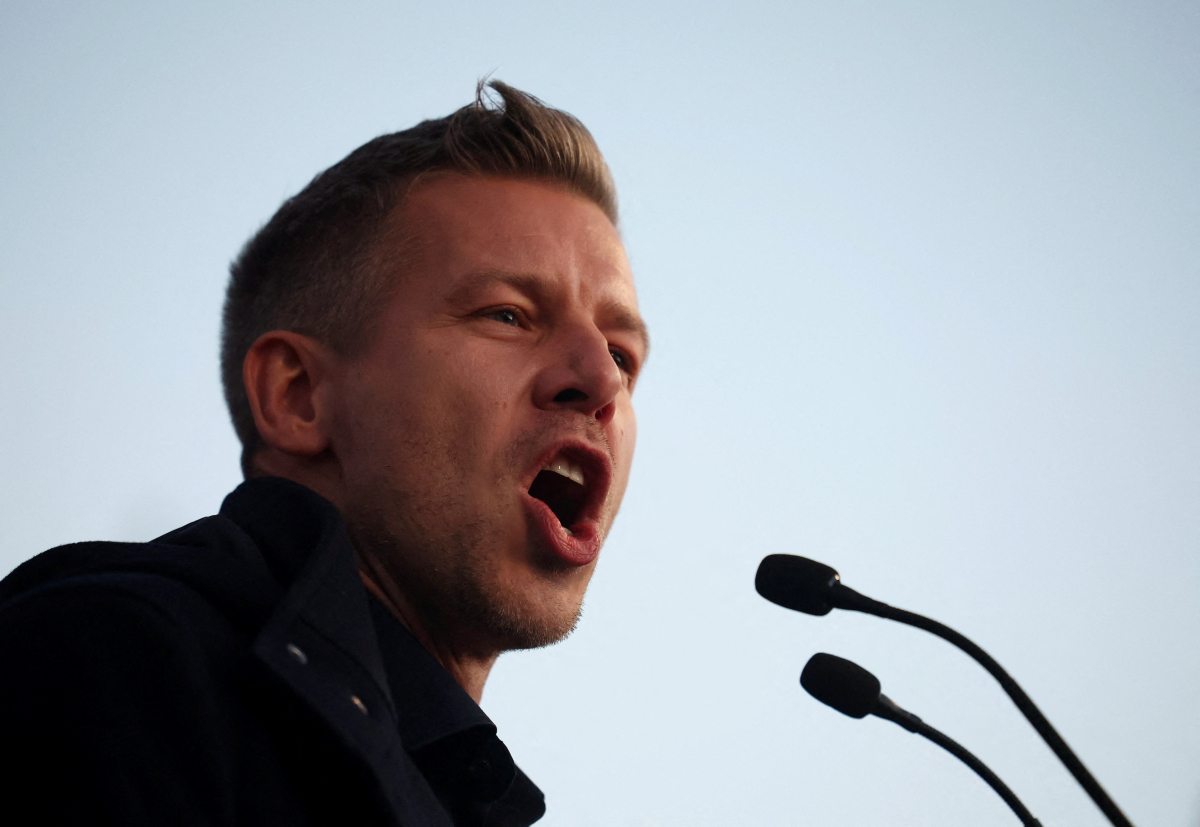
Péter Magyar
Péter Magyar is a Hungarian lawyer and former diplomat who has emerged as the most formidable challenger to Viktor Orbán’s 16-year rule. A former Fidesz insider and the ex-husband of former Justice Minister Judit Varga, Magyar broke with the government in early 2024 to lead the Tisza (Respect and Freedom) party. His stance is described as conservative-liberal, focusing on tackling corruption, restoring the rule of law and re-establishing Hungary’s pro-European orientation, while maintaining a cautious, “security-first” approach to migration and the war in Ukraine.
1. What surveys say - and why they may not settle it
Hungary’s parliamentary election is expected to be closely contested between Prime Minister Viktor Orbán’s ruling Fidesz and the centre-right Tisza party, led by Péter Magyar, in what many see as the biggest test of Orbán’s rule in 16 years.
According to a recent poll of polls by Publicus, Tisza leads with 38%, followed by Fidesz on 29%. The Our Homeland party stands at 4%, while 25% of voters remain undecided.
However, the large share of undecided voters means the result could still shift rapidly.
Analysts caution the outcome is difficult to predict, not only because of late-deciding voters but also due to a redrawn electoral map seen as favouring Fidesz, the influence of ethnic Hungarian voters in neighbouring countries, and the possibility that the far-right Our Homeland party could emerge as a kingmaker.
2. The economy, living costs and corruption
A key backdrop to the campaign is three years of economic stagnation and rising living costs, which have fuelled voter discontent and turned the election into a referendum on everyday pressures.
Anger has also been sharpened by allegations of enrichment among oligarchs close to the government. Mr Magyar has pledged to tackle corruption, tax the wealthiest and improve public services such as healthcare.
3. What each side is telling voters
Orbán has framed the choice as “war or peace”, arguing his opponents would drag Hungary into the war in Ukraine - an accusation Tisza denies.
Mr Magyar, by contrast, is presenting the election as a choice between anchoring Hungary more firmly in Europe and reviving the economy, or drifting further towards authoritarianism.
4. Hungary in the middle: the EU, Russia and U.S. factor
The vote is widely seen as a decision on Hungary’s direction in Europe, amid disputes over European Union ties, sanctions on Moscow and the war in Ukraine.
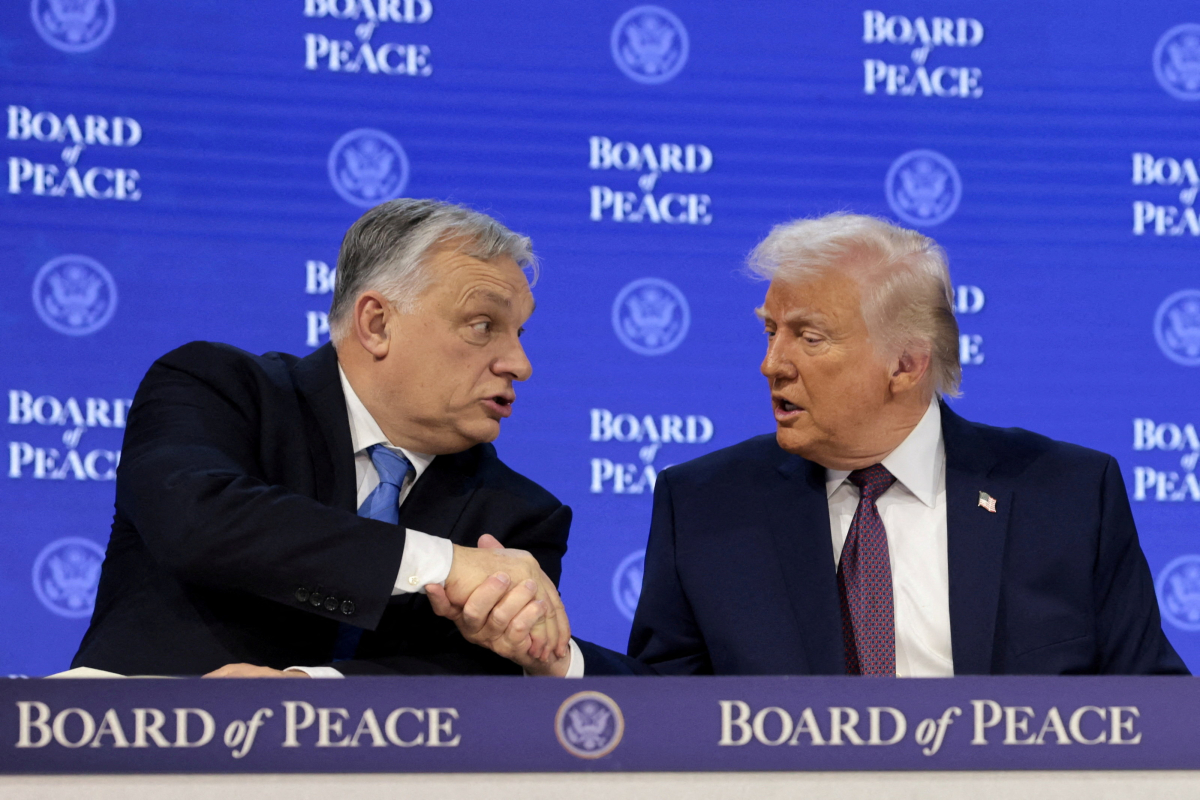
Orbán is described as enjoying unusual support from both U.S. President Donald Trump and the Kremlin, reinforced by a recent visit from U.S. Vice President JD Vance to bolster support for the incumbent.
Mr Magyar has cast the election as an opportunity to anchor Hungary more firmly in Europe and unlock frozen E.U. funds.
5. What numbers will decide the winner?
Whoever commands a majority in the 199-seat parliament will be best placed to govern. However, even a change of government may not bring swift change, as unwinding Orbán-era legal and institutional reforms could prove difficult without a stronger mandate.
This raises the risk of legislative deadlock and policy uncertainty if the winner falls short of a larger majority.
















What is your opinion on this topic?
Leave the first comment