As Hungary approaches a crucial vote, younger citizens who grew up under Prime Minister Viktor Orbán are increasingly backing the opposition, with some saying they may leave if he secures another term.
The 62-year-old nationalist leader, long known for his eurosceptic stance, faces what could be the most serious challenge to his 16 years in power. Opinion polls suggest centre-right contender Péter Magyar and his Tisza Party are positioned to win Sunday’s election.
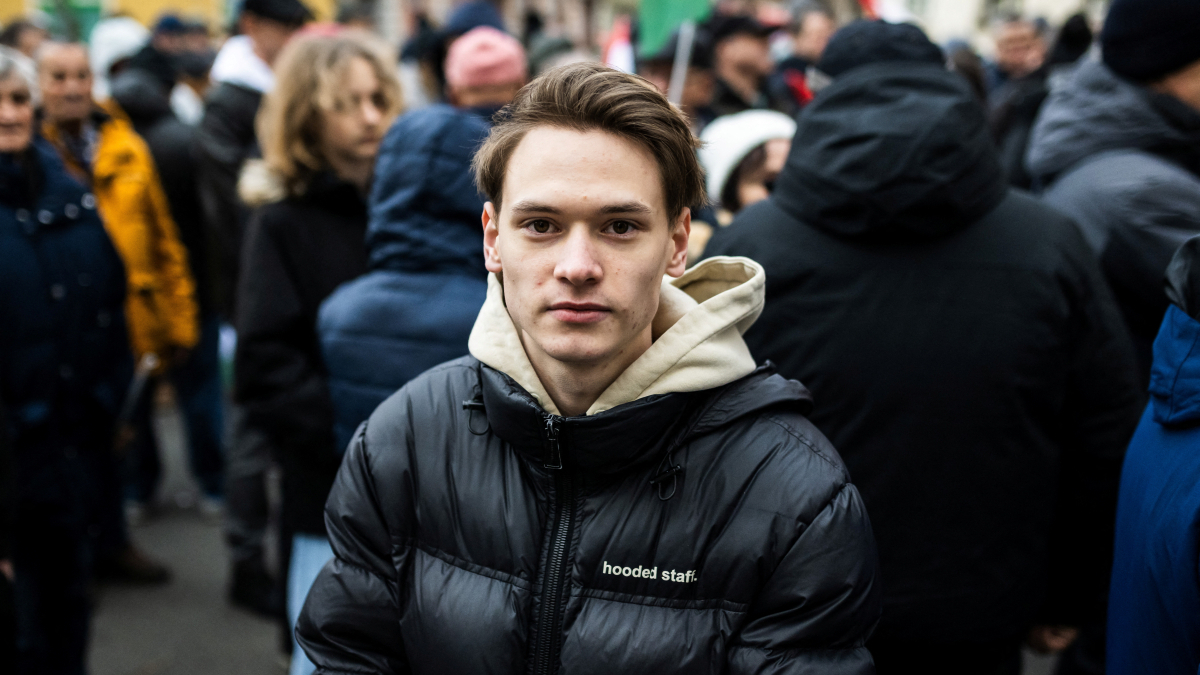
Magyar, 45, has gained traction among younger voters who feel alienated by Orbán’s ruling Fidesz party, according to sociologists and polling experts.
“Fidesz’s thinking no longer understands young people,” said sociologist Dániel Oross.
University students in particular could prove decisive, he added, noting that if they vote cohesively, they could help a party surpass the 5% threshold required for parliamentary representation.
Emigration on the rise
Hungary has seen a marked increase in emigration since Russia’s 2022 invasion of neighbouring Ukraine, which weighed heavily on the economy and contributed to the European Union’s sharpest inflation surge.
Surveys indicate most people leaving are aged 20 to 34. While some return, overall numbers remain negative. Analysts point to limited opportunities in Hungary, one of the bloc’s poorer members, as a key factor.
Although challenges such as housing affordability affect young people across Europe, domestic issues - including corruption and concerns over education quality - have fuelled discontent. These grievances have sparked repeated protests since Orbán’s re-election in 2022.
For some, including 18-year-old Tamara Pohly, the election represents a turning point.
“I would not like to live in a country, where people voting for Fidesz or standing for the values of Fidesz are in a majority,” she said at a café in Budapest.
Pohly, who hopes to become an industrial designer, said she would consider moving abroad after graduating if Orbán remains in power.
Courting the youth vote
Orbán has introduced policies aimed at younger voters, including income tax exemptions for under-25s and subsidised mortgages to support first-time buyers amid rising housing costs.
“Even in the shadow of war, Hungary has done everything for young Hungarians so they can... have a successful, independent life,” he said during a campaign stop in Szentes.
At times, however, his remarks have struck a sharper tone, dismissing youth opposition as a “phony rebellion” and urging younger generations to appreciate government support.
Polling reflects the challenge. Fidesz commands just 8% support among voters aged 18 to 29, according to Median, rising to 22% among those aged 18 to 39 in research by Závecz.
Magyar has pledged to unlock billions of euros in EU funding frozen over concerns about democratic standards, with plans to invest in education and housing - key issues for younger Hungarians.
Divided perspectives
Not all young voters oppose Orbán. Some, like 18-year-old Gergő Farkas, cite his experience and commitment to traditional values.
“He is a genuine Hungarian leader,” Farkas said at a rally in Szombathely, adding that those leaving the country over politics were committing “treason.”
“A true Hungarian should not leave because of any given government,” he said. “We will have another election in four years and then you can try again.”














What is your opinion on this topic?
Leave the first comment