Hungary’s move to secure guaranteed Russian gas transit through Türkiye has stabilised a key supply corridor, but the country’s continued reliance on Moscow raises questions.
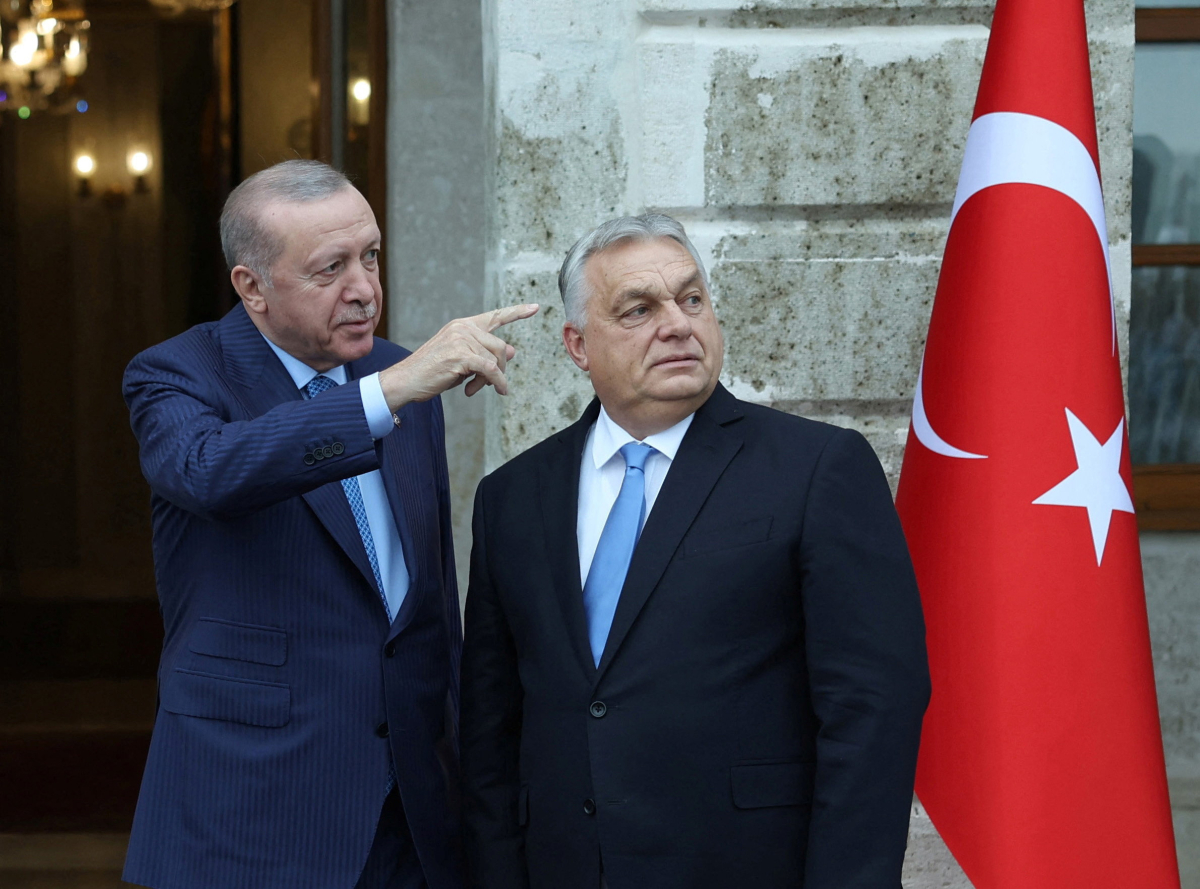
Turkey’s President Recep Tayyip Erdoğan and Hungary’s Prime Minister Viktor Orban recently agreed that Türkiye will guarantee the route for Russian gas to continue flowing to Hungary.
Orban described the step as essential for protecting the country’s supply. At a press conference Orban said he and Erdoğan reached an understanding that Ankara would act as guarantor for the transit corridor that carries Russian gas through the TurkStream pipeline.
Hungary has maintained its reliance on Russian energy since the start of the conflict in Ukraine, drawing criticism from several European Union and NATO partners.
The country signed a 15-year agreement with Russia in 2021 to purchase 4.5 billion cubic metres of gas annually and increased its imports last year, bringing in around 7.5 billion cubic metres through TurkStream.
Orban also said Hungary has already received 7.5 billion cubic metres so far this year via the same route.
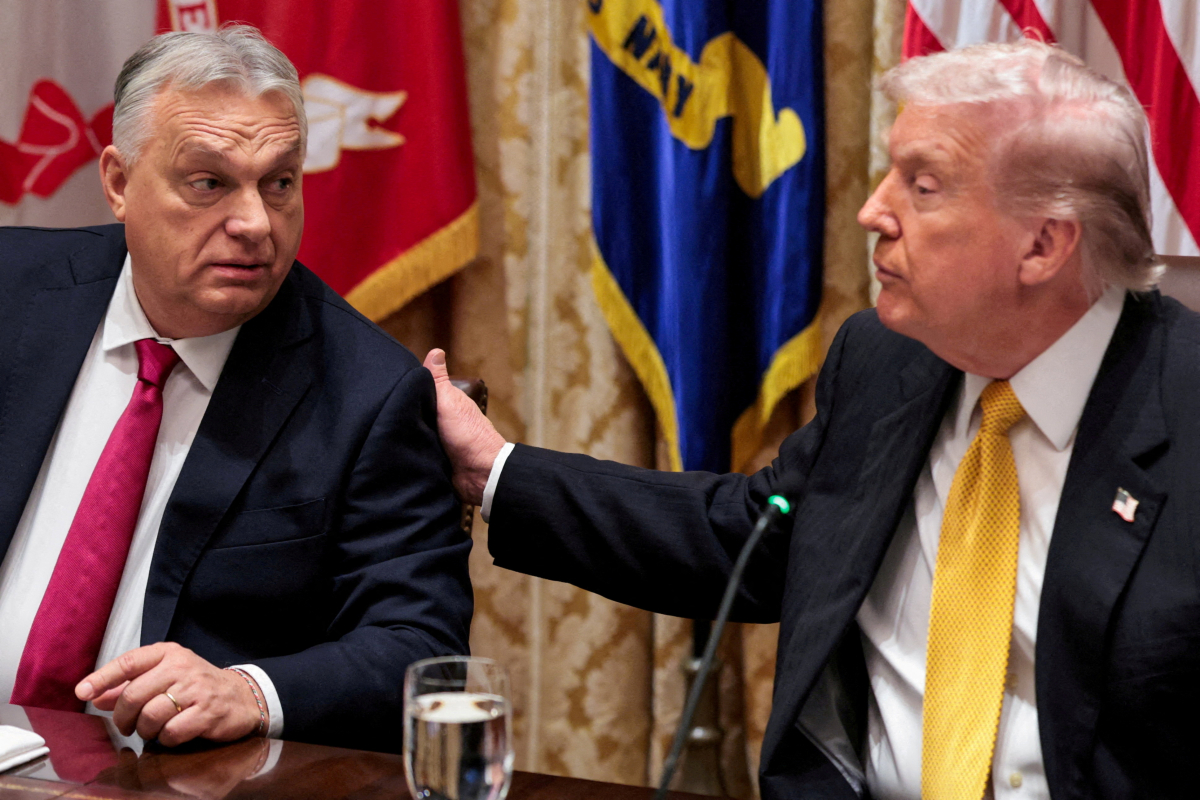
These decisions come alongside broader diplomatic manoeuvring. Last month, the United States granted Hungary a one-year exemption from U.S. sanctions related to the use of Russian oil and gas.
The reprieve followed Orban’s meeting in Washington with President Donald Trump, during which he pressed his case for continued access to Russian energy.
Orban also travelled to Moscow at the end of November to meet President Vladimir Putin, saying he aimed to ensure Hungary’s energy supply for the winter and the coming year.
In an interview with AnewZ, Liliana Śmiech, Director for International Affairs at Ludovika National University, said energy was the central theme of Orban’s talks with Erdoğan and remains the defining factor shaping Hungary’s choices.
She noted that Hungary still sources “around 80% of its imported gas” from Russia and does not yet have an immediate replacement.
With markets volatile and alternative volumes limited, she said Türkiye’s guarantee provides short-term stability even as it reinforces Hungary’s dependence on a single dominant supplier.
Śmiech said the arrangement reflects a period of transition in which Hungary’s options remain constrained. Gas, she stressed, is vital not only for household heating but also for industry and electricity production, meaning any interruption would have immediate domestic consequences. Stability is therefore the short-term priority, even as longer-term diversification remains unresolved.
The meeting between Orban and Erdoğan also highlighted political and strategic coordination. Śmiech noted that cultural and historical ties were emphasised, with Orban placing the visit within a broader East-West context.
The growing partnership, she said, extends beyond energy into areas such as diplomacy, regional engagement and cultural cooperation.
Both leaders reiterated their view that the Ukraine conflict requires a negotiated settlement. Śmiech said this aligns with positions previously expressed by both governments, which have argued that diplomatic channels and ceasefire initiatives should be given greater emphasis.
Hungary’s outreach also touches other regions. Śmiech pointed to Budapest’s engagement with the Balkans, the Black Sea and the South Caucasus, as well as Hungary’s role as an observer in the Organisation of Turkic States.
New institutions, such as the Ludovica Centre for Turkic Studies, are part of this wider attempt to deepen ties with Türkiye and the broader Turkic world.
Within NATO, Hungary and Türkiye often diverge from mainstream positions, yet Śmiech argued that the alliance accommodates differing priorities. Variation, she said, does not prevent members from sharing overarching security goals.
Looking ahead, Śmiech expects Hungary-Türkiye cooperation to expand gradually, particularly in trade and diplomacy.
The central question, however, remains unresolved: whether Hungary’s short-term stability measures create the space for diversification, or whether they cement a long-term dependency that will be harder to unwind.















What is your opinion on this topic?
Leave the first comment