Ukrainian President Volodymyr Zelenskyy has suggested that Hungarian Prime Minister Viktor Orbán should block financial support to Russia rather than Ukraine, as Budapest opposes the European Union’s 20th sanctions package against Moscow.
Hungary warned it will block the EU’s latest sanctions package against Russia unless oil deliveries through the Druzhba pipeline are restored. The pipeline, a key supply route for Hungary and Slovakia, was disrupted by strikes Ukraine attributes to Russia on 27 January. Budapest has also linked its opposition to a proposed $106 billion (€90 billion) EU loan supporting Ukraine’s military and economy.
In response, Ukrainian President Volodymyr Zelenskyy criticised Hungary’s stance, pointing to Russia as the cause of the disruption.
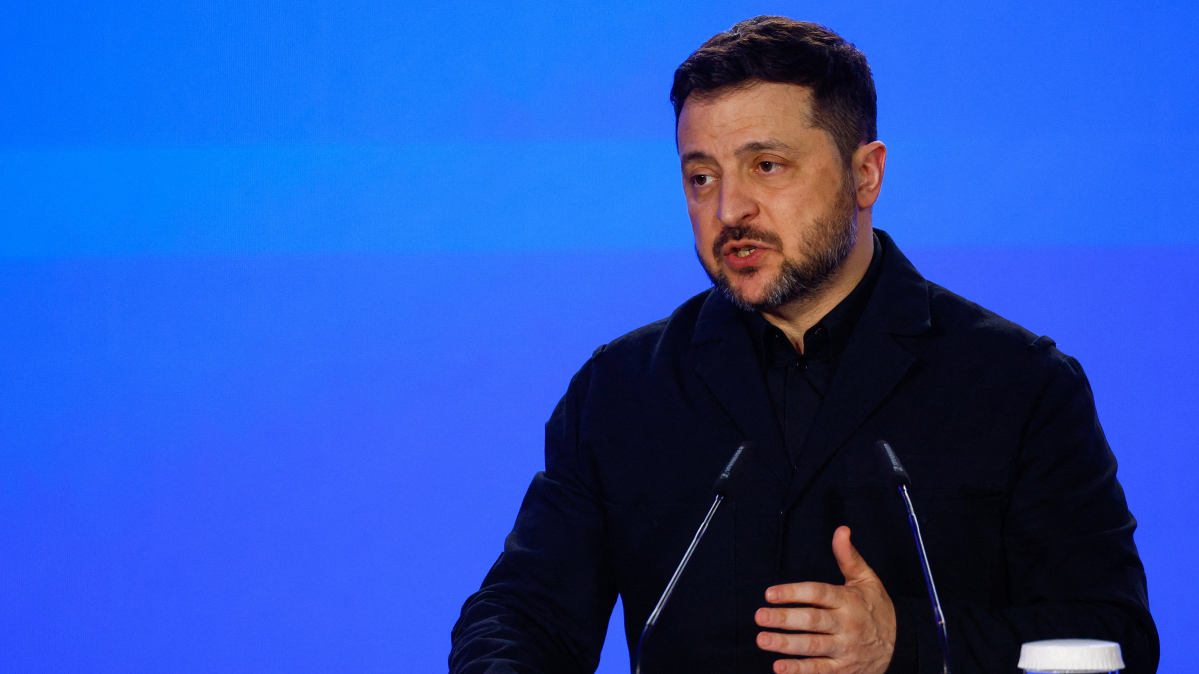
“First of all, the pipeline was destroyed by Russia. If Orbán wants to block financial support, he can do it for Russia, not for Ukraine. We are not responsible for the destruction of this pipeline,” he told journalists on Tuesday, according to RBC-Ukraine.
The Ukrainian president added that satellite images confirm the Druzhba pipeline was disrupted by a Russian strike. He noted that this was not the first attack on the pipeline and is unlikely to be the last. Zelenskyy suggested that Orbán speak directly with Russian President Vladimir Putin to discuss a potential energy ceasefire.
European Council President Antonio Costa responded by saying that the planned EU loan to Ukraine and the suspension of the Druzhba pipeline are separate issues. He added that Ukraine will assess how long it will take to restore the pipeline and highlighted alternative routes for supplying oil to Hungary and Slovakia through the Adriatic pipeline.
The Druzhba pipeline, also called the Friendship Pipeline, is one of the longest oil pipelines in the world. It has been in operation since 1964 and transports Russian oil to several Central and Eastern European countries.
Ukraine confirmed that oil shipments were disrupted following an attack on 27 January. Some Hungarian and Slovak politicians have suggested that Kyiv may be delaying the pipeline’s restart to gain political leverage over Russia.












What is your opinion on this topic?
Leave the first comment