The UK economy grew more strongly than expected in November, according to official figures, offering signs of resilience after months of weak performance.
Data from the Office for National Statistics (ONS) showed that gross domestic product (GDP) rose by 0.3% during the month, following a 0.1% contraction in October.
Economists said the figures also suggested that nervousness about Finance Minister Rachel Reeves' annual budget statement on 26 November had not affected output as much as feared.
Economists polled by Reuters had forecasted a smaller increase of around 0.1%.
Growth was driven mainly by the services sector, which accounts for roughly 80% of the UK economy. Services output increased by 0.3%, supported by gains in professional services, retail and hospitality. The ONS said consumer-facing services also showed modest improvement after recent falls.
Manufacturing output rose by 0.7% in November, making a significant contribution to overall growth. The increase was partly due to a recovery in car production after disruption earlier in the year, including a cyberattack that affected operations at some major manufacturers.
However, the construction sector’s output fell by 0.2%, continuing a trend of weakness linked to higher borrowing costs and subdued investment in new projects.
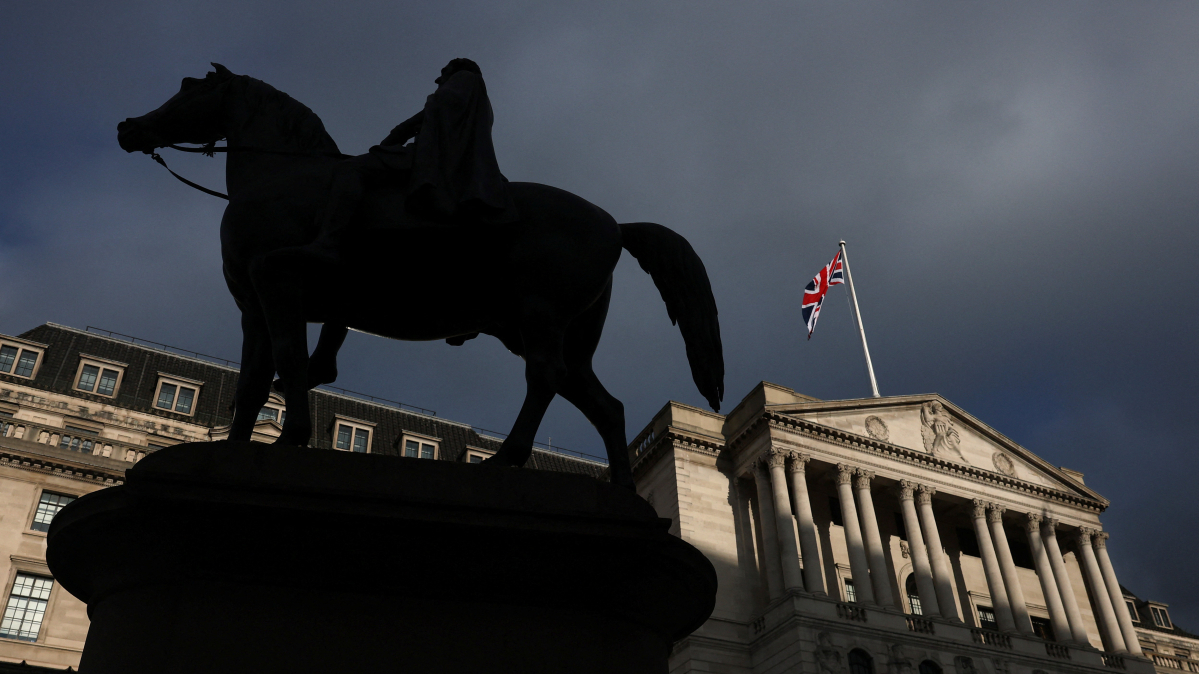
Inflation has eased in recent months, raising expectations that the Bank of England may begin cutting interest rates later this year.
A Treasury spokesperson said the government was making the economy “work for working people” by “reversing years if underinvestment” in infrastructure.
The latest data will be closely watched by policymakers.
Stuart Morrison, research manager at the British Chambers of Commerce, said companies were not showing a lot of relief after they were spared a repeat of the big tax increases included in Reeves' first budget in 2024.
"Firms are telling us they're still cautious about investing and recruiting, meaning growth will stay limited for the foreseeable," Morrison said.
The government has placed economic growth at the centre of its agenda, and the figures provide some positive momentum. However, economists caution that a single month of stronger data does not signal a sustained recovery.




















What is your opinion on this topic?
Leave the first comment