live Iran closes Strait of Hormuz again over U.S. blockade, state media says- Saturday 18 April
Iran's Islamic Revolutionary Guards Corps (IRGC) said in a Saturday statement that the Strait of Hormuz has...
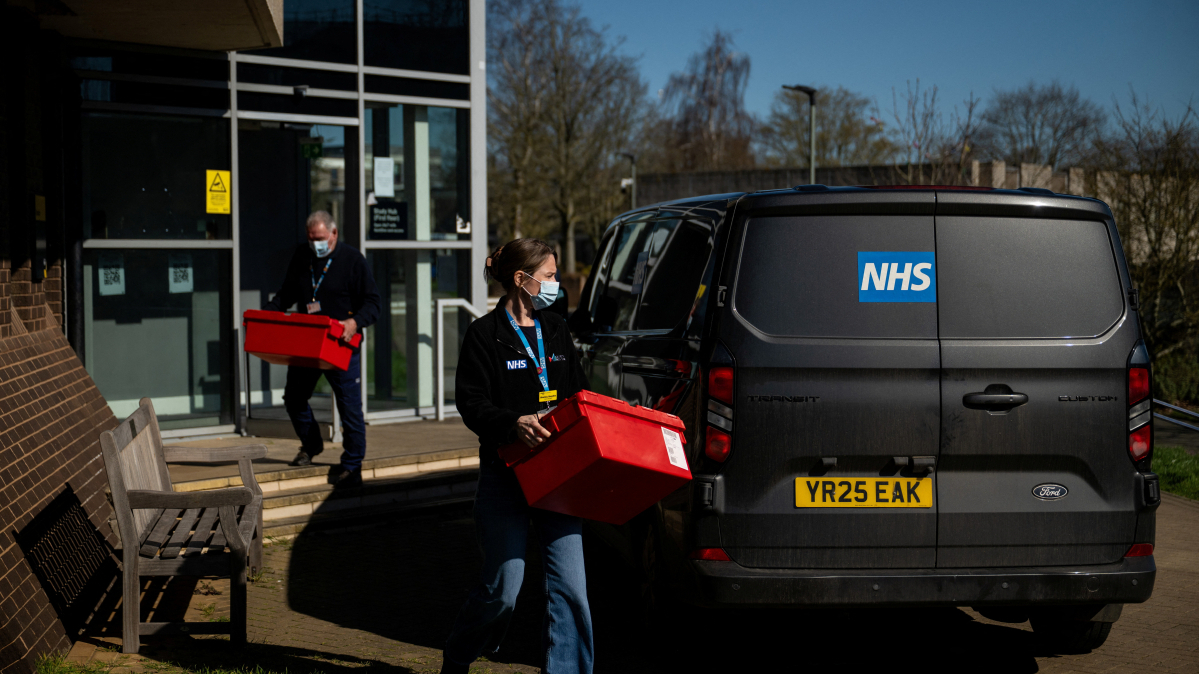
The UK Health Security Agency (UKHSA) said that as of Wednesday evening, it has identified six new cases of meningococcal disease in Kent, bringing the total of confirmed or suspected cases to at least 27.
So far, 15 cases have been laboratory-confirmed, while 12 remain under investigation. Two people have died.
Most cases have been linked to the Club Chemistry nightclub in Kent, with exposure dates between 5 and 7 March 2025.
The agency also addressed a separate case involving an infant, saying: “UKHSA is aware of a baby with confirmed meningococcal group B infection who is not currently linked to the outbreak, but UKHSA will continue to investigate this case.”
Health Secretary Wes Streeting told the BBC that around 2,500 doses of antibiotics have already been distributed, while a targeted vaccination programme for 5,000 students has begun. More than 900 students have been vaccinated.
As part of containment efforts, he said general practitioners across the country “have been advised to prescribe antibiotics to anyone who visited Club Chemistry between 5 and 7 March and to University of Kent students, if they have been asked to seek preventative treatment.”
This evening (18th March), Canterbury Christ Church University confirmed one of their students have contracted the disease and is supporting them.
In a statement to the House of Commons on Tuesday, Mr Streeting added that French authorities had alerted UKHSA to a second confirmed case in France involving someone who had attended the University of Kent.
French authorities said the patient is receiving treatment and that the situation is being managed.
Meningitis is an infection of the membranes surrounding the brain and spinal cord and can be life-threatening if not treated quickly. It most commonly affects babies, young children, teenagers and young adults.
Symptoms include fever, vomiting, severe headache, rash, a stiff neck, sensitivity to light, drowsiness, difficulty waking and seizures.

The past 24 hours of the Russia-Ukraine war have seen a drastic escalation in both aerial bombardment and frontline losses.
Iran reopened the Strait of Hormuz to commercial shipping on Friday (17 April) for the first time since the U.S. and Israel killed Iran's ex-Supreme Leader in air strikes, triggering the Middle East conflict, at the end of February. A U.S. blockade on Iranian ports, however, remains in force.
Russia published addresses of manufacturers allegedly producing drones or components for Ukraine on Wednesday (15 April), warning European countries against plans to step up UAV supplies to Kyiv.
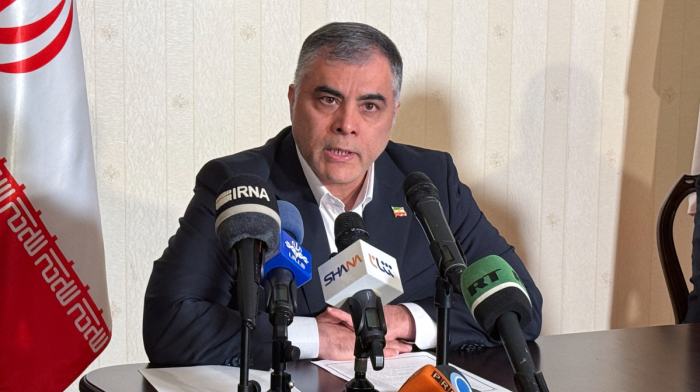
Iran's Islamic Revolutionary Guards Corps (IRGC) said in a Saturday statement that the Strait of Hormuz has returned to its "previous state" under the control of its "armed forces," citing the ongoing U.S. blockade on Iranian ports.
Netflix shares fell sharply on Friday after the streaming group issued a weaker-than-expected outlook and said chairman and co-founder Reed Hastings will step down from the board.
A Chinese biotechnology company is stepping up efforts to combine artificial intelligence (AI) with advanced genetic testing in a bid to improve the success rates of in vitro fertilization (IVF), while also tapping into growing demand for fertility services.
Austria’s government on Friday approved plans to introduce a nationwide ban on social media use for children under the age of 14, alongside reforms to upper secondary school curricula aimed at boosting media literacy and Artificial Intelligence (AI) education from the 2027/28 academic year.
The Scottish Parliament has voted against legalising assisted dying, ending a years-long campaign to make Scotland the first part of the UK to allow the practice.
The war in the Middle East is beginning to disrupt the flow of critical medicines to Gulf countries, raising concerns about the supply of cancer treatments and other temperature-sensitive drugs, according to pharmaceutical industry executives.
The World Health Organization (WHO) has released $2m in emergency funding to support health responses in Lebanon, Iraq and Syria as escalating regional conflict strains hospitals, raises displacement and increases pressure on already fragile health systems.
You can download the AnewZ application from Play Store and the App Store.
What is your opinion on this topic?
Leave the first comment