Uzbekistan launches nationwide 'Car-Free Day' campaign
Uzbekistan has launched a nationwide environmental initiative titled ‘Day Without Cars’, which will ta...
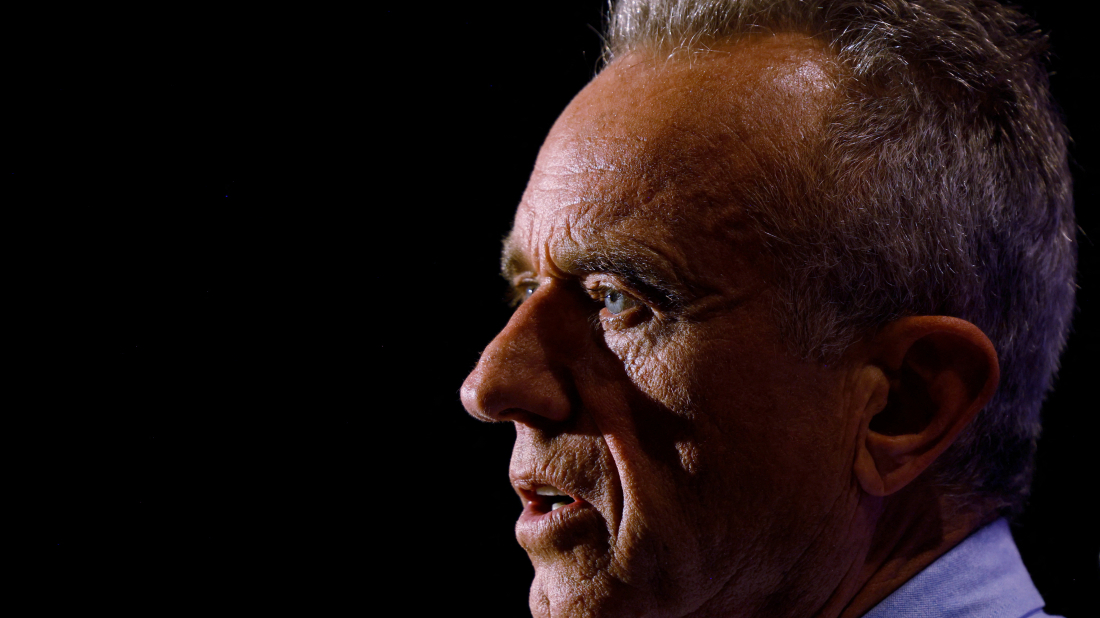
Robert F. Kennedy Jr. has promised to follow established rules for vaccine approvals as he leads the country’s top health agencies, but his administration is already introducing sweeping changes that may slow or complicate access to future vaccines.
FDA Commissioner Marty Makary says the agency is preparing a major overhaul of how vaccines are tested and approved, led by new vaccine chief Dr. Vinay Prasad, who has been critical of how COVID-19 boosters were handled. Though details haven’t been made public, the new direction has already delayed full approval of Novavax’s COVID shot and led to unexpected restrictions on its use.
The FDA now argues that even small updates to match new variants could require fresh testing, a stance that could impact this fall’s booster rollout. Other health agencies are also shifting. The CDC has yet to act on recent recommendations for new meningitis and RSV shots, and Kennedy allies have signaled a likely end to COVID booster guidance for children.
Critics say the moves reflect Kennedy’s long-standing skepticism toward vaccines. At a Senate hearing, he wrongly claimed only COVID vaccines were tested against placebos—prompting Republican Sen. Bill Cassidy to correct the record. Public health experts warn the administration’s approach may fuel misinformation and delay vaccine availability.
Behind the scenes, FDA scientists say political appointees overruled their recommendation to approve the Novavax shot last month. The final approval came only after added restrictions and a demand for new trials—steps some called unprecedented. Meanwhile, Moderna has postponed its new COVID-flu combo vaccine after regulators requested more data.
As the FDA prepares to meet Thursday to decide on updated COVID shots for the coming season, uncertainty remains over how the new rules will affect vaccine access and public trust.

Bulgaria has won the Eurovision Song Contest for the first time, taking victory in a final overshadowed by a boycott over Israel’s participation and the war in Gaza.
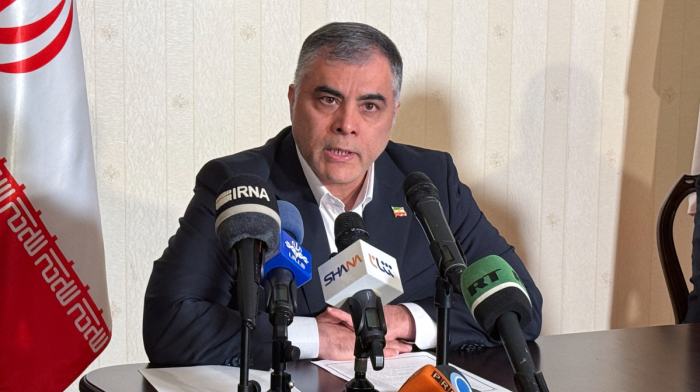
Iran’s Foreign Minister Abbas Araghchi said Tehran has “no trust” in the United States and will only consider negotiations if Washington shows seriousness. His remarks came as talks on Iran’s nuclear programme continued, with Trump and Xi also opposing Iran acquiring nuclear weapons.
U.S. President Donald Trump said Washington could destroy Iran’s infrastructure “in two days,” while Tehran warned the U.S. would face growing economic costs from the conflict. The remarks came as Hezbollah reported new attacks on Israeli forces despite an extended Lebanon ceasefire.
At least eight people were injured after a driver rammed a car into pedestrians in the northern Italian city of Modena, authorities said on Saturday. Four of the victims were reported to be in serious condition.
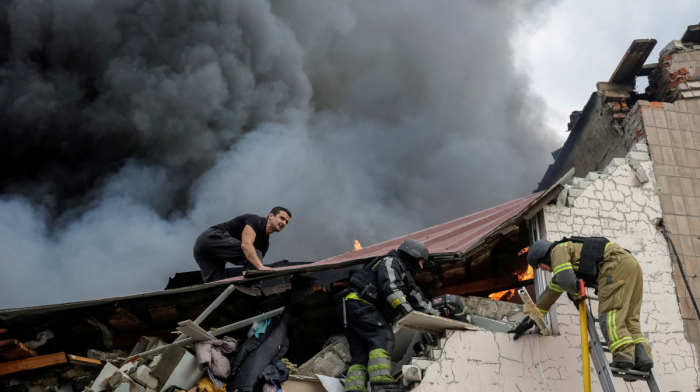
Russia and Ukraine exchanged prisoners of war as well as the bodies of fallen soldiers, on Friday (15 May). The swap came as Ukranian officials said Moscow had carried out its largest aerial attack over 48 hours since the conflict started.
China has launched the world’s first experiment to study how artificial human embryos develop in space, marking a major step in understanding whether humans could one day reproduce beyond Earth.
Every day, an elderly woman in China’s Shandong province looks forward to a video call from her son. He asks about her health, tells her he has been busy with work, and promises he will come home once he has saved enough money. She tells him she misses him. He tells her to take care of herself.
Bulgaria has won the Eurovision Song Contest for the first time, taking victory in a final overshadowed by a boycott over Israel’s participation and the war in Gaza.
At least eight people were injured after a driver rammed a car into pedestrians in the northern Italian city of Modena, authorities said on Saturday. Four of the victims were reported to be in serious condition.
Félicien Kabuga, one of the last remaining suspects linked to the 1994 Rwandan genocide, has died in custody at the age of 93, a United Nations court said on Saturday.
You can download the AnewZ application from Play Store and the App Store.
What is your opinion on this topic?
Leave the first comment