France launches major renewable energy drive with ‘Made in Europe’ focus
France has unveiled a delayed wave of renewable energy tenders to boost energy independence and strengthen domestic and European industry....
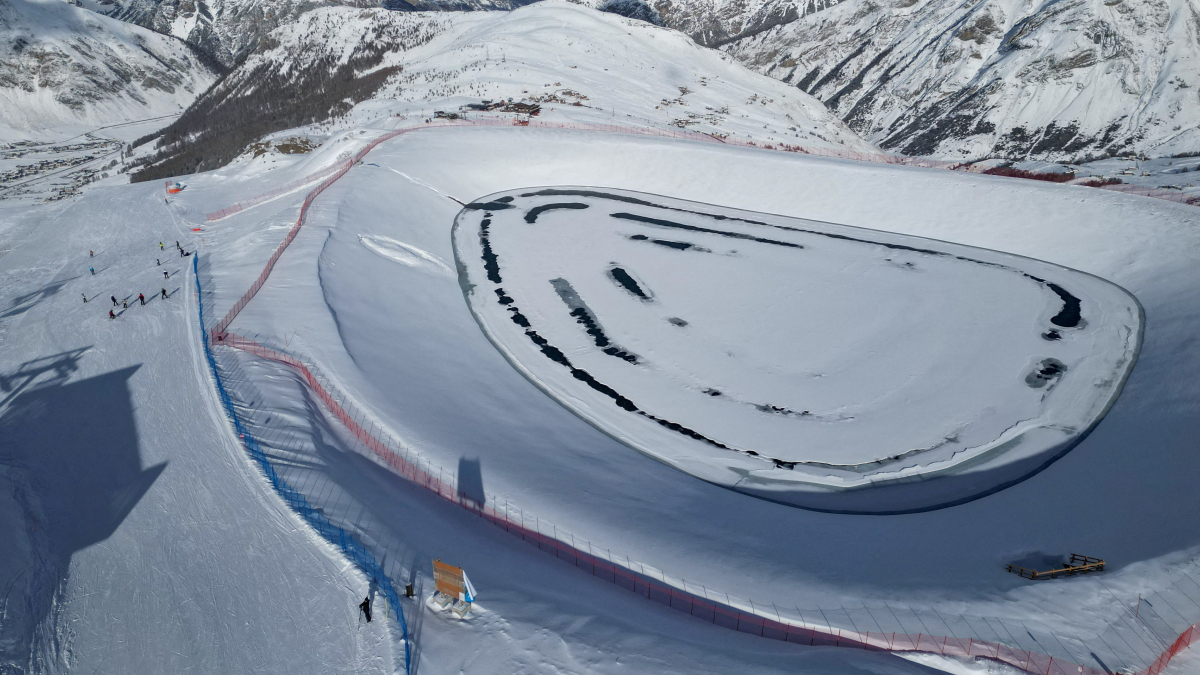
Italy aims to begin testing a delayed cable car project in January as it seeks to ease transport pressure at the Milan–Cortina 2026 Winter Olympics, despite the challenges of construction in mountainous terrain.
Italy is planning to start testing in January a delayed cable car project designed to improve access to competition venues at the 2026 Winter Olympics, officials said on Thursday.
The Apollonio–Socrepes cableway in the Alpine resort of Cortina d’Ampezzo, designed to transport up to 2,400 people per hour, is scheduled to be completed by the end of the month, according to Fabio Saldini, commissioner and chief executive of Italy’s Olympic infrastructure agency Simico.
Saldini said the project, while not essential for hosting the Games, would provide an additional transport option and help reduce reliance on private vehicles by allowing spectators to reach venues more easily.
The cable car is intended to relieve congestion in Cortina, which has no rail connection and relies heavily on road access that can become crowded during peak periods.
Delays to the project last year forced local organisers to limit the number of tickets available for events in Cortina, underlining broader transport challenges facing the Milan–Cortina 2026 Olympics, which will be spread across multiple locations in northern Italy.
Saldini said installation of the electromechanical components is currently underway, with testing expected to begin in the third week of January. He expressed confidence that the project would be ready, while noting that construction in mountainous areas remains dependent on weather conditions.
Asked whether the cable car would be operational for the Olympics, Saldini said work was continuing with that objective, stressing that safety, quality and adherence to timelines and costs remain priorities.
Cortina d’Ampezzo, located in the Dolomites, last hosted the Winter Olympics in 1956.

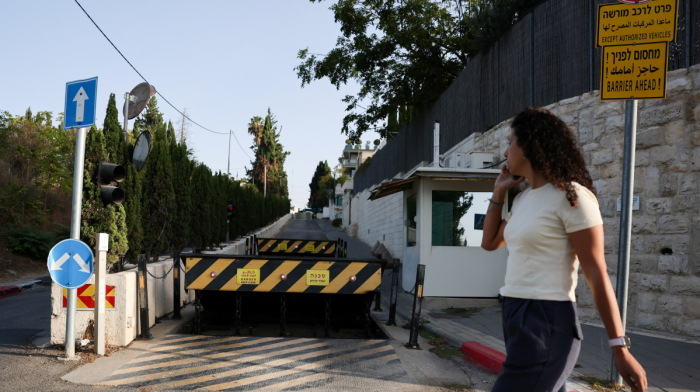
The Iran-U.S.-Israel conflict is intensifying, with fresh strikes near Tehran, European calls for restraint, and Iran threatening to target U.S. firms in the region, raising fears of a broader escalation across the Middle East.
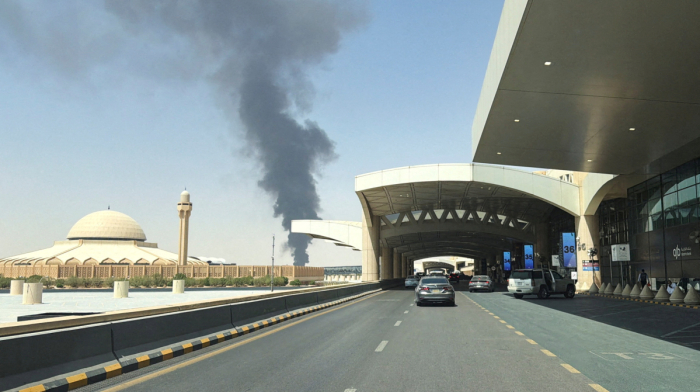
There are fears of an oil spill after a drone strike hit a Kuwaiti oil tanker near Dubai on Tuesday, while U.S.-Israeli strikes in Iran reportedly killed at least two people. A loud explosion was heard in Beirut in southern Lebanon early Wednesday, as oil prices climbed above $100 a barrel.
Fears of wider escalation grow despite President Donald Trump saying U.S. strikes on Iran could end within weeks. Meanwhile missile attacks, tanker incidents and rising casualties across Israel, Lebanon and the Gulf heighten risks to regional stability and energy routes.
Russian-flagged tanker carrying approximately 700,000 barrels of crude oil docked at Cuba's Matanzas oil terminal on Tuesday, shipping data confirmed, marking a vital and controversial delivery to an island paralysed by severe energy shortages and a suffocating U.S. blockade.
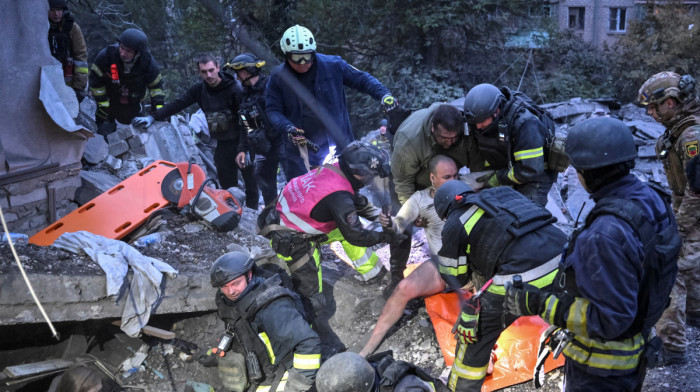
A Russian military An-26 aircraft has crashed in Crimea, killing all 30 people on board, Russia’s Defence Ministry has confirmed.
France has unveiled a delayed wave of renewable energy tenders to boost energy independence and strengthen domestic and European industry.
China is emerging as one of the more stable economies amid the latest global oil shock, thanks to years of planning, diversified energy sources and a steady shift towards renewable power.
In a major policy reversal, the U.S. Treasury has removed Venezuela’s acting president, Delcy Rodríguez, from its sanctions list, signalling a sharp shift in Washington’s approach to Caracas.
A technical team from the United States Federal Bureau of Investigation (FBI) has touched down in Cuba this week to launch an "independent investigation" into a deadly maritime shootout that happened on 25 February.
“He is not… the owner!” U.S. District Judge Richard J. Leon wrote, temporarily halting construction of President Donald Trump’s $400 million White House ballroom, underscoring a cascade of legal, regulatory and public opposition that has engulfed the controversial expansion.
You can download the AnewZ application from Play Store and the App Store.
What is your opinion on this topic?
Leave the first comment