Russia’s crude oil production experienced its most significant decline in 18 months in December, as Western sanctions and escalating Ukrainian drone attacks on the country's energy infrastructure took a toll.
According to sources familiar with government data, Russia pumped an average of 9.326 million barrels per day in December, marking a drop of over 100,000 barrels a day compared to November. This figure also falls short of Russia's permitted output under the OPEC+ agreement by almost 250,000 barrels per day.
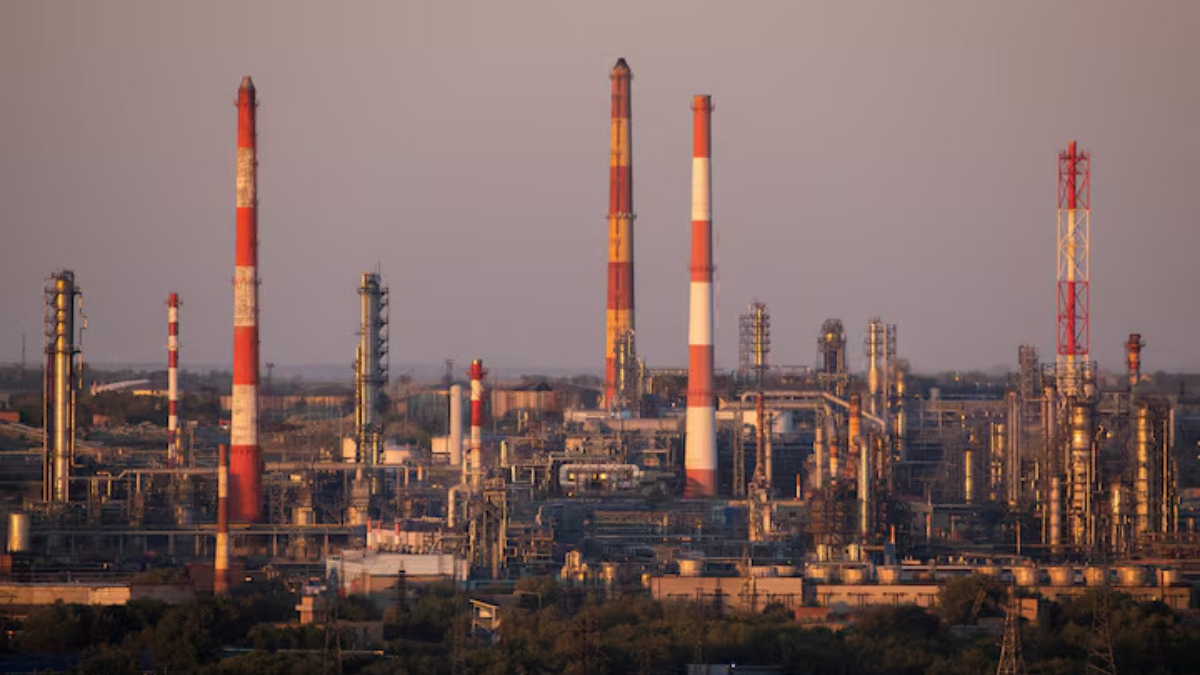
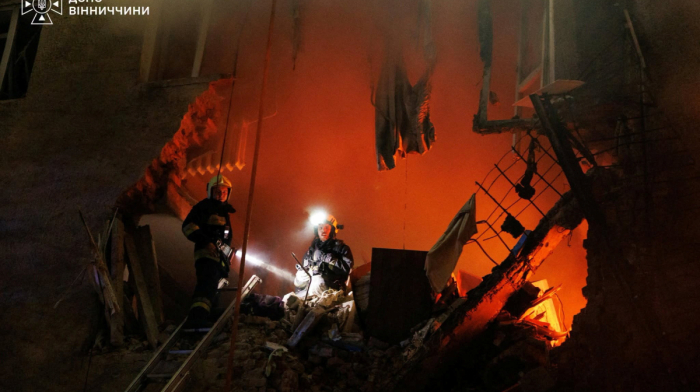
The slump in production comes at a time when Ukraine has intensified its drone strikes on Russian oil infrastructure, directly disrupting output and affecting refineries that rely on these crude barrels. Alongside this, Russian oil cargoes are accumulating at sea, with some buyers, particularly in India, hesitant to take the sanctioned barrels following sweeping US sanctions targeting the country’s two largest oil producers, Rosneft PJSC and Lukoil PJSC.
The December decline in production was the steepest since June 2024, a period when Russia was already obligated to cut production under the OPEC+ agreement. The group had planned to return barrels to the market between April and December 2025, with output expected to stabilise in the first quarter of 2026.
Before December, Russia had been seeing a gradual increase in production, although growth had begun to slow down as the year drew to a close. The production target for December 2025, set by OPEC, was 9.574 million barrels per day. Historically, Russia has struggled to meet its OPEC+ commitments, often overproducing and needing to make additional cuts to compensate for the excess.
The decline in crude output is linked to Russia’s challenges in exporting its oil. By the end of December, over 185 million barrels of Russian crude were sitting idle in tankers, with key buyers, including some Indian refineries, seeking workarounds for the sanctioned oil. Domestic refineries in Russia have also been running below the historic seasonal average for most of December, with some halting operations entirely due to the ongoing Ukrainian strikes. This has led to a reduction in domestic consumption of Russian crude.
In addition to the impact of sanctions and airstrikes, Ukrainian forces have also struck Russian oil fields in the Caspian Sea for the first time since the war began, further disrupting production. These strikes have affected oil tankers transporting Russian crude, forcing some vessels to take longer routes and making tanker owners more cautious about dealing with Russian oil.
While Russia's condensate output is excluded from these figures, it typically accounts for no more than 10% of total production. Therefore, it would require a substantial and unlikely increase in condensate production for Russia’s overall output to exceed November's level.
As a result of the invasion of Ukraine, the Russian government classified the country’s oil statistics in 2022, limiting access to information about the nation’s oil production.
This sharp decline in Russia’s crude output signals significant challenges for the country’s energy sector, driven by both external sanctions and the ongoing war in Ukraine. As the situation continues to unfold, the global oil market may face further disruptions and uncertainties.


















What is your opinion on this topic?
Leave the first comment