IAEA confirms damage to entrance buildings at Iran’s Natanz nuclear plant
Entrances to Iran's underground and previously bombed uranium-enrichment plant at Natanz have been struck as p...
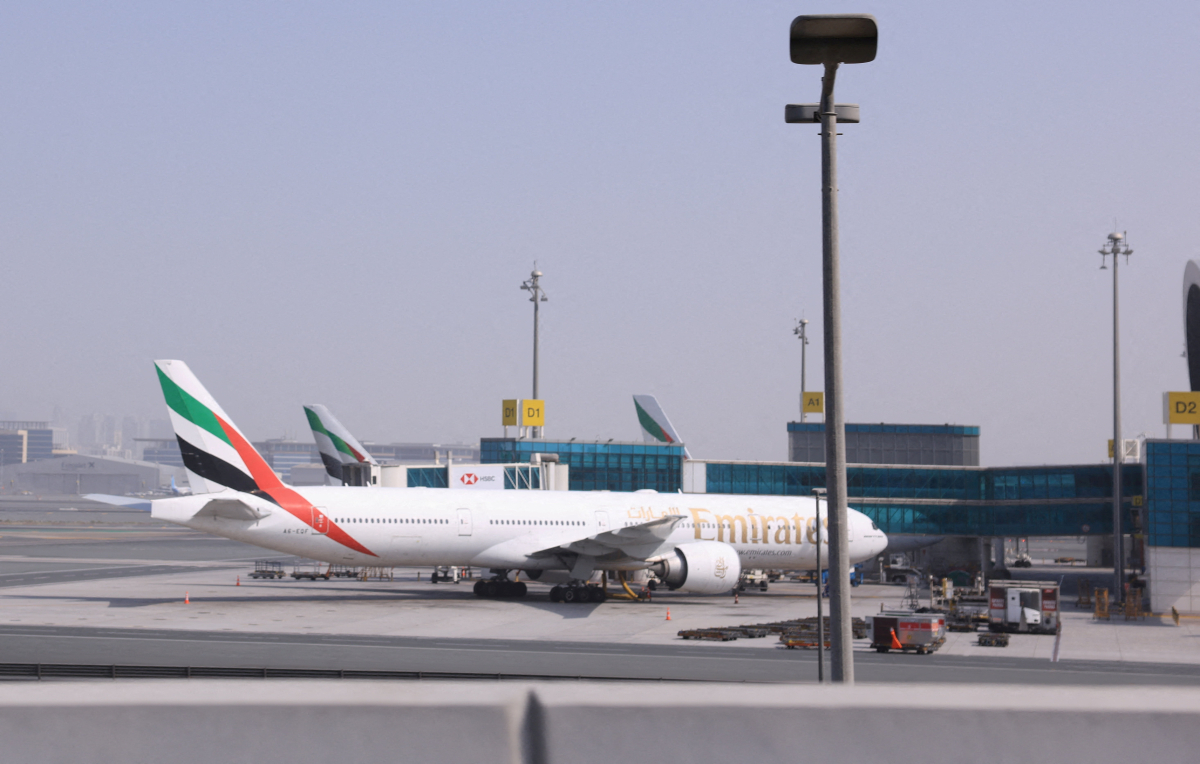
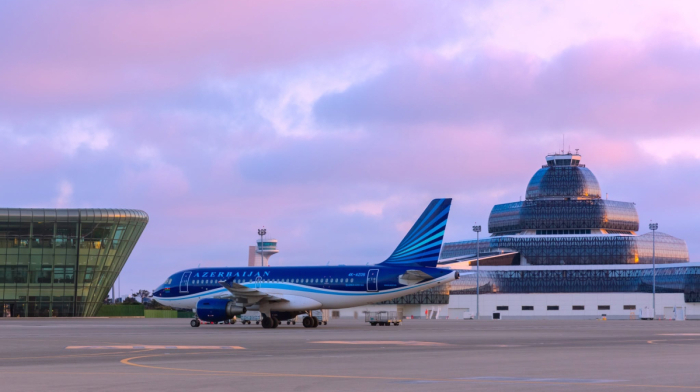
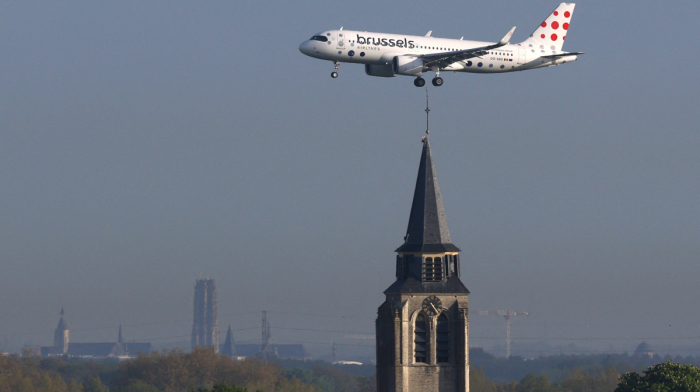
Air fares between Asia and Europe have jumped sharply after Gulf hubs, including Dubai, partially reopened following closures caused by the Middle East conflict between Israel-U.S. and Iran. Airlines are rerouting flights around restricted airspace, leaving economy seats scarce and prices soaring.
With the Hong Kong–London route, Cathay Pacific Airways listed no economy availability for more than a week, with the first one-way fare priced above HK$21,000 (around $2,700) before easing later in the month.
From Sydney, Qantas Airways had no economy seats to London via its usual Perth and Singapore services until mid-March, and limited alternatives were priced above A$3,000 (around $2,130) one way.
Similar patterns were apparent at Thai Airways International and Air China, where Europe-bound economy cabins were either fully booked or significantly more expensive.
Airlines rerouting around restricted airspace face longer flying times and higher fuel burn, adding to costs and sustaining upward pressure on fares.
Emirates, flydubai and Etihad Airways said they would restart a small number of flights on Monday, primarily to repatriate passengers stranded.
Dubai airports confirmed that a limited resumption would begin later on Monday at Dubai International (DXB) and Al Maktoum International (DWC), while Etihad said some flights from Abu Dhabi would operate under strict safety approvals.
Airlines are prioritising repatriation, cargo, and repositioning flights, with services scheduled to destinations including London, Paris, Russia, Pakistan, and Somaliland.
Meanwhile, Air France has cancelled its flights to and from the Middle East, the Franco-Dutch group said in statements overnight, citing security risks from the ongoing conflict.
It said the safety of its customers and crew was a top priority and that it will assess the situation before resuming flights.
Air France cancelled flights to and from Tel Aviv, Beirut, Dubai and Riyadh up to and including Thursday. KLM, the Dutch arm of the group, has cancelled flights to and from Dammam, Dubai and Riyadh until 9 March, it said in a separate statement late on Monday.
Travel stocks plunged on Monday, wiping $22.6 billion off the value of major airlines, hotels, and travel companies, as escalating tensions between the U.S., Israel and Iran wreaked havoc on global aviation.
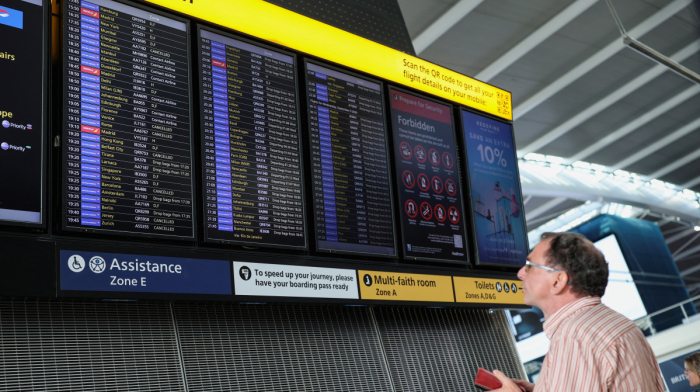
Key Middle Eastern hubs, including Dubai - usually the world’s busiest international airport with more than 1,000 daily flights - remained closed for a third consecutive day, leaving tens of thousands of passengers stranded.
Jordan partially closed its airspace, while the U.S. State Department urged Americans to leave more than a dozen countries in the region, including Saudi Arabia and the UAE.
Oil prices surged by up to 13% to levels not seen since January 2025, raising concerns over higher fuel costs for airlines.
European carriers were hit hard, with TUI down 9.9%, Lufthansa 5.2%, and British Airways owner IAG 5.5%, while U.S. airlines such as Delta, United and American saw shares fall between 2% and 4%.
Analysts warned of weeks of disruption, citing flight cancellations, rerouting costs, and rising fuel prices, with some projecting historic oil supply interruptions if tanker traffic through the Strait of Hormuz remains limited.

Follow the latest developments and global reaction after the U.S. and Israel launched “major combat operations” in Iran, prompting retaliation from Tehran.
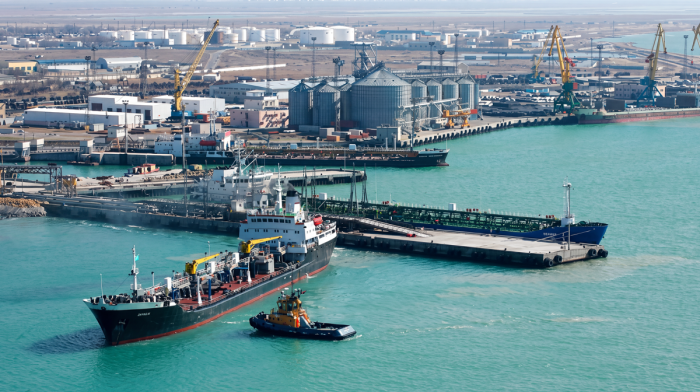
Saudi Arabia’s state oil giant Saudi Aramco closed its Ras Tanura refinery on Monday following an Iranian drone strike, an industry source told Reuters as Tehran retaliated across the Gulf after a U.S.-Israeli attack on Iranian targets over the weekend.
The Kremlin is utilising the recent United States and Israeli military strikes on Iran to validate its ongoing war in Ukraine. Russian officials are pointing to the escalation in the Middle East as evidence that Western nations do not adhere to international rules.
The Middle East crisis intensifies after the deadly attack on the compound of the Supreme Leader of Iran Ali Khamenei on Saturday that killed him, other family members and senior figures. Iran has launched retaliatory strikes on U.S. targets in the region.
Ayatollah Alireza Arafi has moved into a pivotal constitutional role following the death of Supreme Leader Ayatollah Ali Khamenei, becoming the clerical member of Iran’s temporary leadership council under Article 111 of the Constitution of the Islamic Republic of Iran.
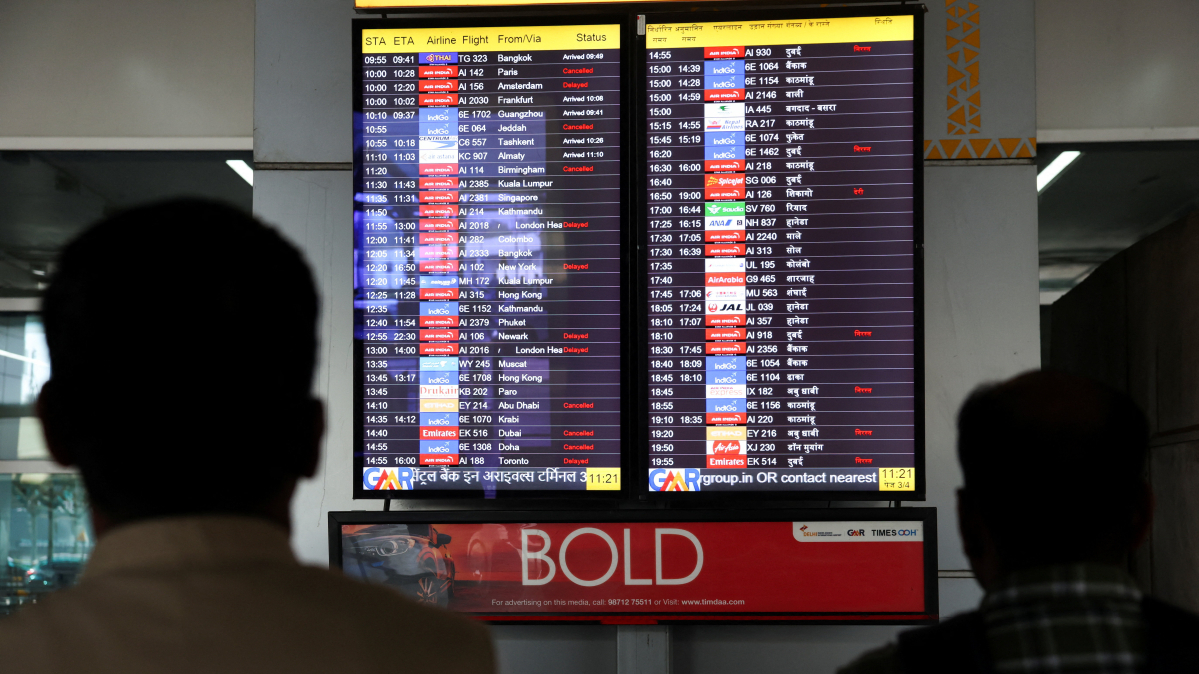
Global air travel remained in turmoil on Monday after U.S. and Israeli strikes on Iran and retaliatory strikes in the Gulf region prompted widespread airspace closures across the Middle East, disrupting one of the world’s most important aviation corridors.
Chinese travellers made an estimated 362.58 million cross-regional passenger trips on Monday, the final day of the Spring Festival holiday, according to official data.
A powerful winter storm has brought large parts of the U.S. Northeast to a standstill, dumping more than 30 cms (a foot) of snow across several states and severely disrupting transport and daily life.
A powerful winter storm has struck the north-east United States, placing nearly 60 million people under weather warnings. States of emergency have been declared across multiple states and forcing a travel ban in New York City as heavy snow, fierce winds and coastal flooding batter the region.
Spain’s rail network faces a three-day shutdown this week as the Semaf union protests safety failures following fatal accidents in Adamuz and Catalonia.
You can download the AnewZ application from Play Store and the App Store.
What is your opinion on this topic?
Leave the first comment