live Iran unveils map asserting control over Strait of Hormuz, state media says- Monday, 4 May
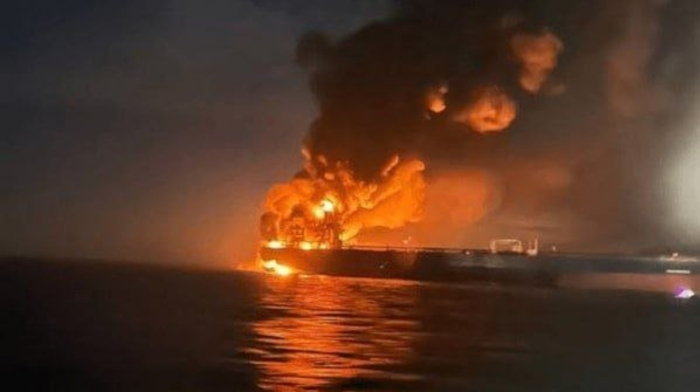
Iran warned U.S. forces on Monday not to enter the Strait of Hormuz after President Donald Trump said the United S...
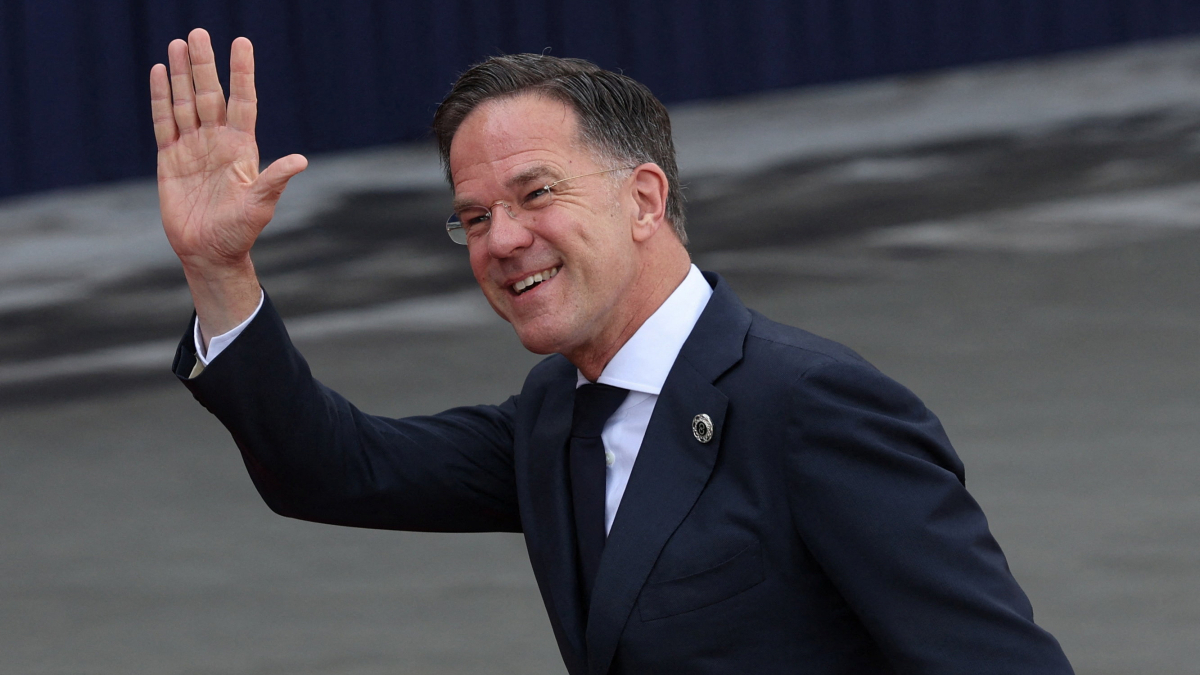
European allies are stepping up efforts to meet military commitments following criticism from U.S. President Donald Trump, according to NATO Secretary General Mark Rutte.
Speaking on Monday (4 May) at a European Political Community summit in Armenia, Rutte acknowledged transatlantic tensions but struck a more conciliatory tone on the alliance’s current direction.
“There has been some disappointment from the U.S. side,” he said, “but Europeans have listened.”
He added that governments across the continent are now taking steps to ensure bilateral agreements - particularly those governing the use of military bases - are being properly implemented.
The remarks follow open criticism from Trump, who has accused several NATO members of failing to pull their weight in supporting the United States during the ongoing conflict involving Iran.
That dissatisfaction was underscored last week when Washington announced plans to withdraw around 5,000 troops from Germany - a move widely seen as a signal of frustration with European partners.
Despite the strain, Rutte suggested many countries are responding constructively. Nations including Montenegro, Croatia, Romania, Portugal, Greece, Italy, Britain, France and Germany are said to be facilitating requests related to base access and logistical support.
Not all allies are aligned, however. Spain has made clear that bases on its territory will not be used in operations linked to the Iran conflict, highlighting differing political sensitivities within the alliance.
Beyond immediate commitments, there are signs Europe is planning ahead. Rutte noted that “more and more” countries are positioning naval assets - including minehunters and minesweepers - closer to the Gulf region.
The aim, he said, is to ensure readiness for any “next phase” once current hostilities subside.
Several European nations have also indicated a willingness to take part in a future mission to safeguard shipping routes through the Strait of Hormuz, a vital artery for global energy supplies.
Such an operation would focus on maintaining freedom of navigation once the conflict has ended.

Ukraine is monitoring “unusual activity” along its border with Belarus, President Volodymyr Zelenskyy said in a video statement released on Saturday (2 May). He warned that Kyiv is ready to respond if necessary amid continued regional tensions linked to Russia’s war.
Hundreds of young people in South Korea have gathered in Seoul to take part in a city-backed “power nap contest”, aimed at drawing attention to the country’s chronic sleep deprivation.
Türkiye’s Vice President Cevdet Yılmaz is set to visit Armenia in early May to take part in the 8th European Political Community Summit, in what will be the highest-level Turkish visit to the country to date. Meanwhile, German Chancellor Friedrich Merz is reportedly expected to miss the forum.
China has moved to block U.S. sanctions on five of its oil refineries, in a fresh escalation of tensions over trade and energy policy.
U.S. President Donald Trump has said he will “soon be reviewing” a new 14-point proposal sent by Iran, casting doubt on the chances of a deal after Tehran called for security guarantees, an end to naval blockades and a halt to the war across the region, including in Lebanon.
Armenia is host to the 8th meeting of the European Political Community which opened in Yerevan on Monday (4 May). Prime Minister Nikol Pashinyan welcomed European Union leaders and heads of international organisations, including NATO Secretary General Mark Rutte.
Start your day informed with the AnewZ Morning Brief. Here are the top stories for the 4th of May, covering the latest developments you need to know.
U.S. Secretary of State Marco Rubio is expected to travel to the Vatican and Italy this week for a series of meetings, according to Italian media reports, in a visit that comes amid strained relations between Washington and parts of Europe and heightened tensions involving Pope Leo XIV.
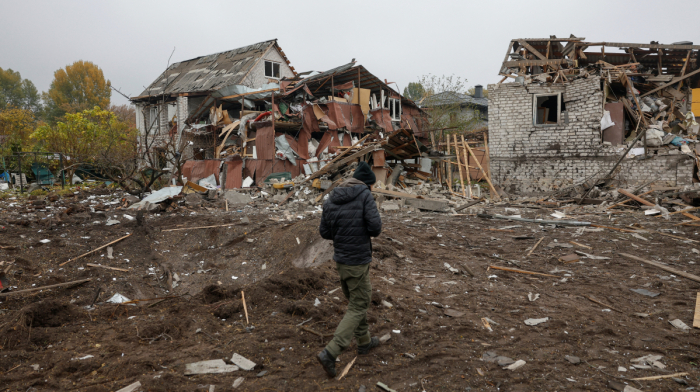
Ukraine has launched a new wave of drone strikes on Sunday (3 May) across Russia, hitting key infrastructure and causing casualties in several regions, officials on both sides said.
China has moved to block U.S. sanctions on five of its oil refineries, in a fresh escalation of tensions over trade and energy policy.
You can download the AnewZ application from Play Store and the App Store.
What is your opinion on this topic?
Leave the first comment