Azerbaijan-Türkiye alignment at centre of Macron border controversy
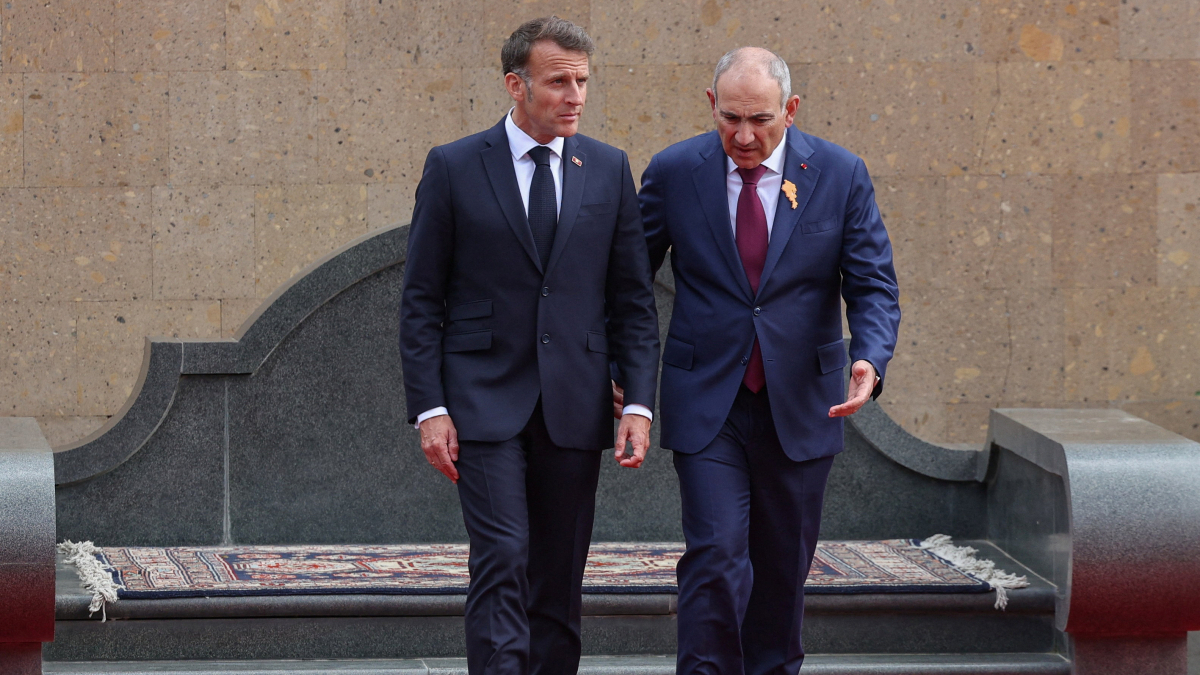
France's President Emmanuel Macron and Armenia's Prime Minister Nikol Pashinyan attend an official welcoming ceremony in Yerevan, Armenia, 5 May, 2026.
Reports that Emmanuel Macron planned to cross from Armenia into Türkiye via their closed border - and was reportedly blocked following consultations with Azerbaijan - have sparked renewed debate on South Caucasus diplomacy.
According to Azerbaijani media outlets, Turkish President Recep Tayyip Erdoğan refused to allow the crossing after discussions with Baku.
Macron visited Yerevan from 3 to 5 May to attend several events and was reportedly considering what sources described as a “politically symbolic” journey into Türkiye through the closed border.
Sources claimed the proposal had initially been coordinated with certain Turkish representatives but was later rejected following Ankara–Baku consultations.
The reports suggested Macron hoped the move would strengthen his diplomatic standing at a time when French foreign policy has faced criticism over developments in Africa, the Middle East and Ukraine.
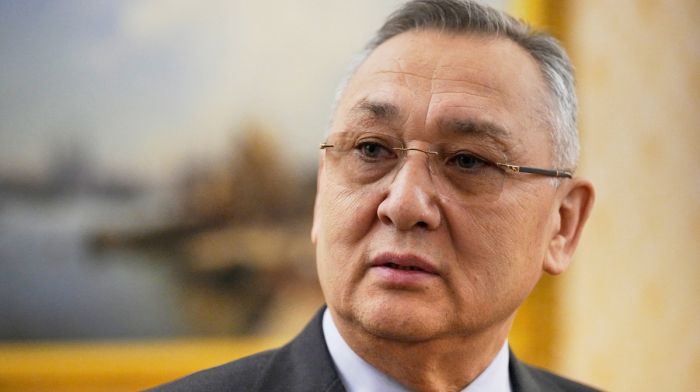
Speaking on AnewZ’s Daybreak programme on Thursday, Sultan Zahidov, a leading adviser at the Centre of Analysis of International Relations (AIR Centre), said the reported refusal reflected strategic coordination between Ankara and Baku.
“Recep Tayyip Erdoğan did not give green light for Macron's crossing Armenian-Turkish border from Armenia. We know that the borders have been closed for over 30 years. And perhaps Emmanuel Macron had a plan to make a politically symbolic gesture by travelling to Türkiye from Armenia through the closed borders,” Zahidov said.
He added that Türkiye’s approach to normalisation with Armenia remains closely connected to developments between Baku and Yerevan.
Zahidov also said France should reassess its regional policy, arguing that it must account for “Azerbaijan-Türkiye strategic alignment, which is key.”
EU engagement and regional realities
On Prime Time, AnewZ Deputy Editor-in-Chief Orkhan Amashov discussed the role of European institutions in shaping narratives around the Armenia-Azerbaijan peace process.
“European Parliament adopted 14 resolutions about the Armenian peace process in a unilaterally unquestioningly pro Armenian style accusing Azerbaijan of all sorts of things… And of course naturally those resolutions did not benefit peace process in any reasonable way,” he stated.
Amashov argued that such positions, along with debates over post-conflict issues including displaced populations and legal cases, have added complexity to the peace agenda.
He stressed that despite increased EU engagement with Yerevan, Azerbaijan remains central to regional transport and connectivity frameworks.
Transit cooperation expands
Meanwhile, economic and transit cooperation between Azerbaijan and Armenia continues to develop.
Azerbaijan Railways told Report that a new shipment from Russia to Armenia will pass through Azerbaijani territory, consisting of aluminium and grain cargo. This marks the first known transit of aluminium to Armenia via Azerbaijan.
Earlier shipments included fertilisers and grain transported from Russia to Armenia through Azerbaijan.
Zahidov described the transit developments as a practical step towards normalisation.
“This is definitely a milestone achievement. And it indicates the fact that Azerbaijan is not just committed to peace on paper. Azerbaijan is taking practical, real steps,” he said.
Armenia-Türkiye dialogue described as 'excellent'
Armenian Foreign Minister Ararat Mirzoyan described relations with Türkiye in positive terms during the Yerevan Dialogue 2026 forum.
“We have excellent dialogue with Türkiye,” he said.
He referred to ongoing cooperation, including efforts to restore the Ani Bridge and discussions on reopening the Gyumri-Kars railway link.
Mirzoyan said both sides have expressed readiness to establish diplomatic relations and eventually fully open the border, while noting that it currently remains closed except for limited categories such as diplomats and third-country nationals.
Elections and political uncertainty
Despite signs of growing cooperation, analysts say major political challenges remain unresolved.
Zahidov pointed to Armenia’s upcoming parliamentary elections and constitutional debates as potential risks for the normalisation process.
“And the outcomes of these elections matter as well. Who will be in power after these elections matters as well, because this outcome can dramatically shift the foreign policy of Armenia, and thereby the regional geopolitical dynamics as well,” he said.
He also warned that if more hardline political forces gain influence in Armenia, the current transition from confrontation towards stability in the South Caucasus could face renewed pressure.
Azerbaijan–NATO partnership framework stalls amidst Brussels deadlock
For over three decades, Azerbaijan and NATO have cooperated on counter-terrorism and energy security, but their partnership is currently at a standstill in Brussels amid delays to a key cooperation framework.
At the centre of the dispute is the Individually Tailored Partnership Program (ITPP), NATO’s modern, unified framework designed to replace earlier fragmented agreements. The programme is intended as a strategic roadmap to align military standards and deepen cooperation in areas such as energy security, humanitarian demining, and emergency response.
NATO Deputy Secretary General Radmila Šekerinska recently noted progress on the programme, underlining its technical readiness and continued relevance for strengthening practical cooperation with partner countries.
Despite this, France has repeatedly invoked the “Silence Procedure” to block approval of the document. Paris has linked its objections to the legal case involving French citizens detained in Baku, a move Azerbaijan views as an attempt to leverage bilateral tensions within a broader international context.
The dispute reflects a wider pattern of strained relations, with the European Parliament driven by French delegations having adopted 14 anti-Azerbaijan resolutions since 2021.
The impasse has also had wider regional implications. The delay of Azerbaijan’s partnership framework has reportedly contributed to a parallel stalemate affecting Armenia’s own cooperation programme within NATO, as allied partners respond in kind.
In parallel, France has increasingly pursued bilateral military cooperation with Armenia, including the provision of equipment and training outside NATO’s formal structures.
The ITPP remains under discussion in Brussels, with no clear timeline for approval as diplomatic negotiations continue.
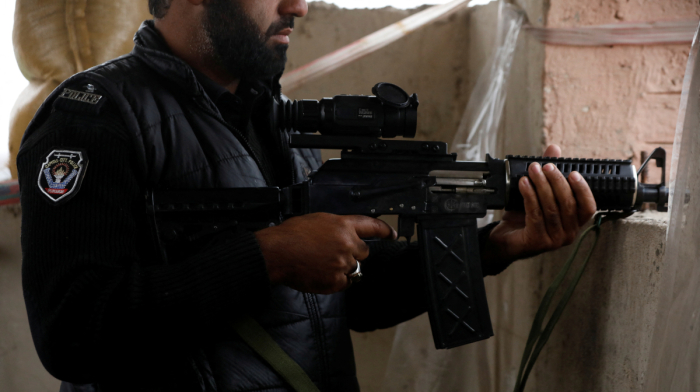
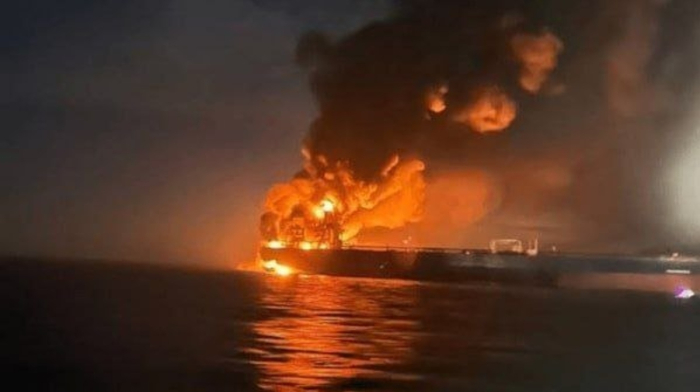
Saudi Aramco has ordered staff to evacuate its headquarters amid escalating Houthi attacks on the kingdom. Two people were killed in an attack on Dammam airport, while Iran's IRGC Navy claimed strikes on seven vessels and warned the U.S. of a wider response.
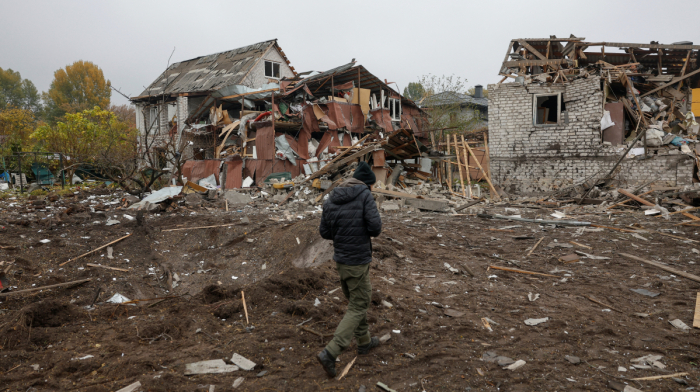
Russian strikes on Ukraine overnight killed at least two people and injured 15 others, including two children, Ukrainian authorities said. Meanwhile, Russia said it had intercepted the vast majority of 630 Ukrainian drones launched towards Moscow.
Russia is willing in principle to resume peace talks with Ukraine and the United States in November, Kremlin aide Yuri Ushakov said after President Vladimir Putin met U.S. special envoy Steve Witkoff in St Petersburg.
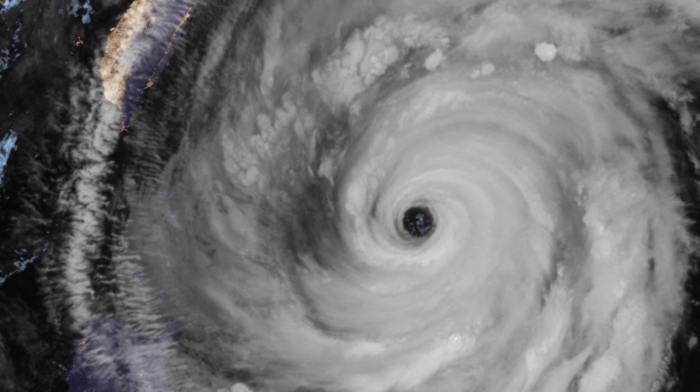
Super typhoon Champi is set to batter Japan’s Okinawa Prefecture from Friday (23 October), bringing violent winds, torrential rain and waves up to 11 metres high, as airlines cancel flights and organisers scrap a major festival.
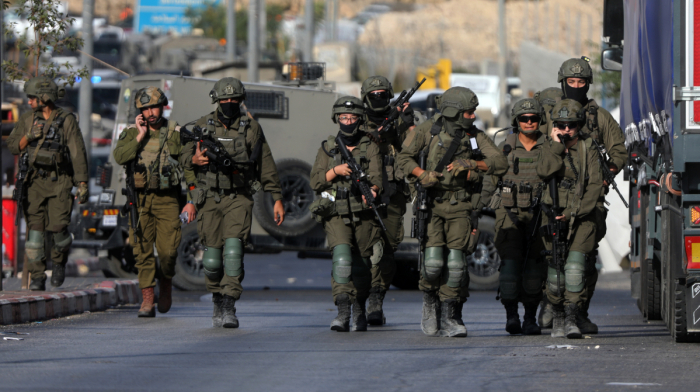
Israeli military bulldozers have begun demolishing buildings in the West Bank city of Hebron on Friday, 23 October, following armed clashes with Palestinians that left two Israeli soldiers dead, according to the Israeli military.
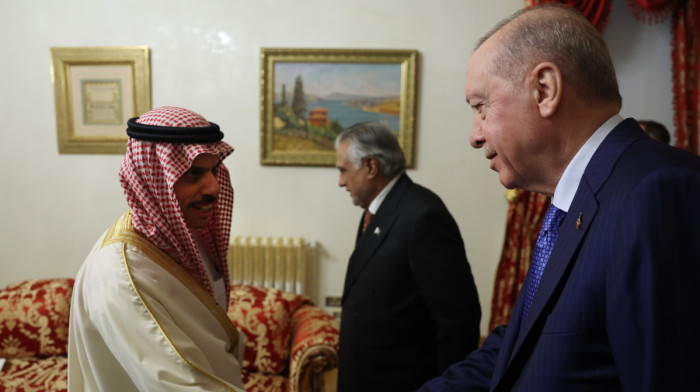
Foreign ministers meeting in Istanbul on Friday warned that renewed military strikes on Iran could deepen the regional conflict, urging diplomatic efforts to prevent further escalation.
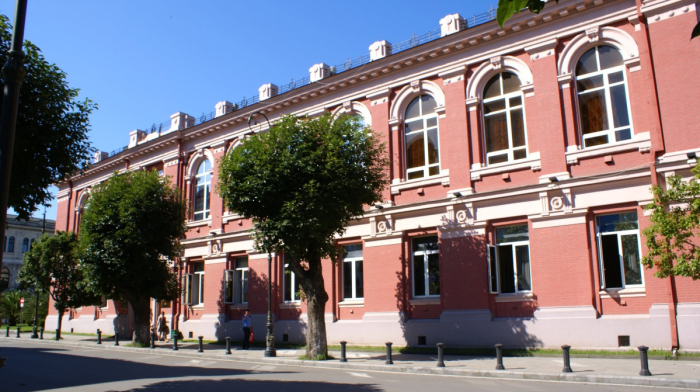
Georgia’s Constitutional Court has extended hearings in a case seeking to ban five opposition parties, with proceedings now set to continue until 30 October. The court in Batumi will resume hearings on Monday, 26 October, after missing its original 23 October deadline.
Pakistan and the European Union have agreed to step up counterterrorism cooperation as security concerns over Afghanistan grow and tensions between Islamabad and Kabul persist.
The head of the Russian-led Collective Security Treaty Organization (CSTO) says Armenia has effectively withdrawn from the military alliance, despite not formally ending its membership.
Uzbekistan’s President Shavkat Mirziyoyev has approved a new alphabet, bringing the Latin-script Uzbek alphabet closer to other alphabets used in the Turkic world.
Download the AnewZ app
You can download the AnewZ application from Play Store and the App Store.












What is your opinion on this topic?
Leave the first comment