




11:16 CET
Nuclear security
Georgia arrests man over attempted $700,000 uranium sale
Georgia has detained a man ...


Armenia’s current peace rhetoric sends a dual message, balancing signals of readiness for reconciliation with Azerbaijan while maintaining a hard line on security amid an election period, says political analyst.
Speaking in the AnewZ studio, political analyst Ulviyya Zulfikar described Armenian Prime Minister Nikol Pashinyan’s recent remarks on peace with Azerbaijan and military preparedness as a “dual-track signal” aimed at different audiences.
“Externally, Armenia is reassuring that it is ready for peace,” Zulfikar said. “Internally, it is showing that there is no compromise on national security, especially during an election period.”
Her comments come after Nikol Pashinyan said Armenia is not preparing for war and described peace with Azerbaijan as the country’s “most reliable” security guarantee, in a message marking the 34th anniversary of Armenia’s Armed Forces.
“There will be no war,” Pashinyan said, adding that peace offers the strongest assurance of national security.
“During the war period, it was understandable,” she said. “But during the peace process, this creates risks. Selling weapons to one of the parties in such a sensitive period is very risky for the region.”
She stressed that genuine progress toward peace requires restraint as well as political commitment. “If Armenia wants peace, it has to obey the rules of the peace process,” Zulfikar said, adding that militarisation contradicts efforts to de-escalate tensions.
According to analyst, the benefits of peace would be substantial, particularly for Armenia.
“This peace process has economic, trade and security benefits, first of all for Armenia itself,” she said, noting that Armenia’s previous occupation policy had left it isolated from regional economic and trade networks.
Turning to the prospects of a peace treaty, Zulfikar said the Washington summit marked a decisive turning point.
“Everything is going toward this peace treaty,” she said, adding that key remaining obstacles include constitutional amendments in Armenia, which Azerbaijan has said are necessary for long-term stability.
She also pointed to growing international engagement, particularly by the United States, as a sign that the peace process is being closely monitored.
Zulfikar highlighted the importance of regional transit routes, saying they could unlock economic benefits not only for Armenia and Azerbaijan but for the wider region.
“This is about development,” she said. “It’s beneficial first for Armenia, then for Azerbaijan, and for all regional countries.”
Looking ahead, Zulfikar said Armenia’s upcoming elections would be critical.
“There is no way to withdraw from this process,” she said. “If Armenia pulls back, the peace process and regional projects could collapse, and that would have serious consequences domestically.”

Georgia has detained a man ...
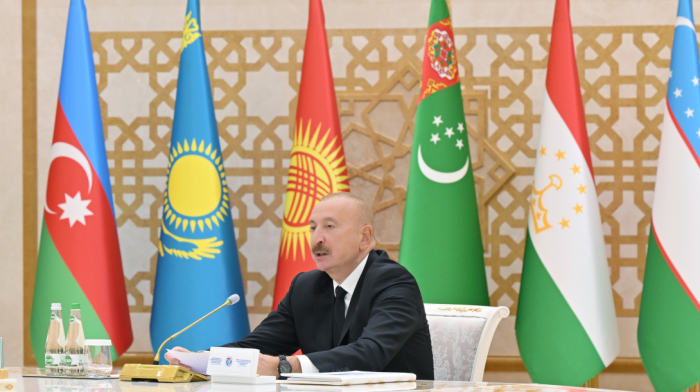
Azerbaijan and the five Central Asian states have signed two key documents at the 8th Consultative Meeting of Heads of State in Turkmenbashi, forma...
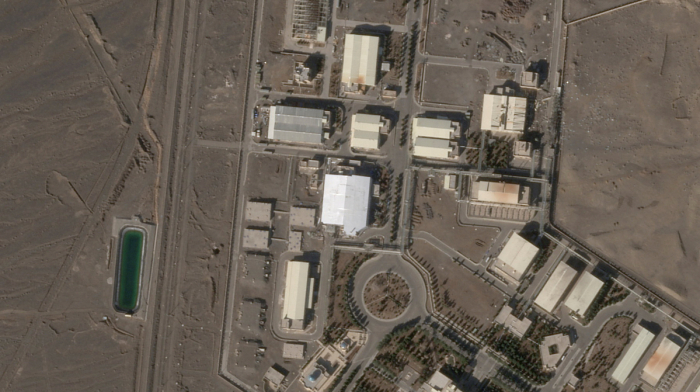
U.S. Vice President JD Vance told Reuters on Monday (5 October) that ...

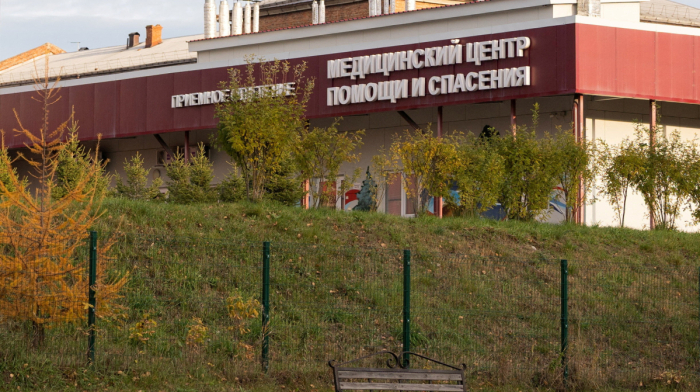
Russia's health watchdog said on Tuesday that no cases of plague had been detected among anyone who had come into contact with a Siberian plague institute laboratory worker who died last week, and locals said their lives had barely been disrupted.
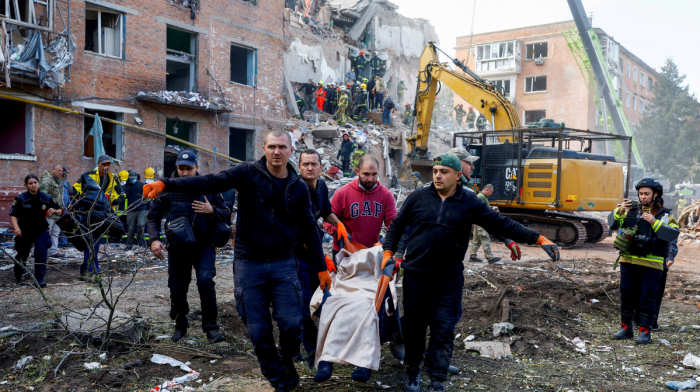
Russia struck Ukraine overnight in one of the biggest attacks of the conflict, killing at least 19 people, Kyiv's Foreign Ministry said on Wednesday. Around 70 missiles were fired at Ukraine during the attack, as well as drones, the Ministry said.
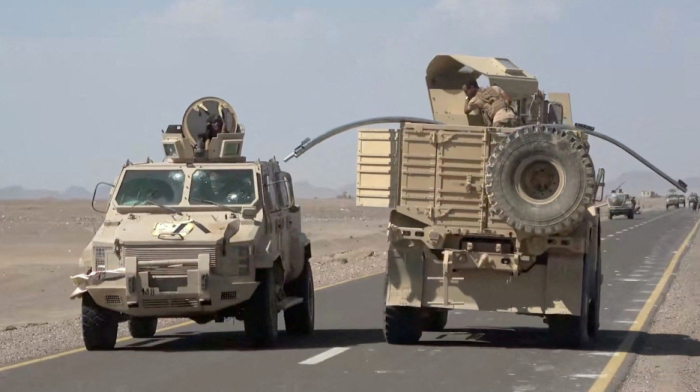
The Saudi-led coalition says it has carried out a series of military operations against Houthi targets in Yemen after attacks on two Saudi airports left three people dead and dozens injured.
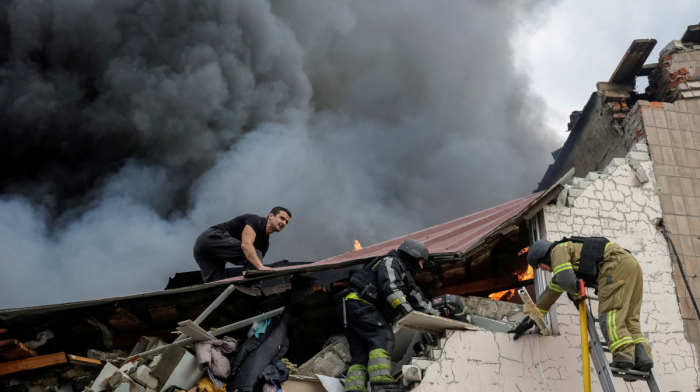
A large Ukrainian drone attack on Moscow and the surrounding region has killed two people, damaged homes and sparked a major fire at a key fuel facility, according to Russian officials and military bloggers.
Azerbaijan and the five Central Asian states have signed two key documents at the 8th Consultative Meeting of Heads of State in Turkmenbashi, formalising a broader framework for regional cooperation in transport, trade, energy, digitalisation and security.
Georgia has detained a man who planned to sell uranium-238 to a foreign national for $700,000, the national security service said on Wednesday.
Azerbaijan and the five Central Asian states have signed two key documents at the 8th Consultative Meeting of Heads of State in Turkmenbashi, formalising a broader framework for regional cooperation in transport, trade, energy, digitalisation and security.
U.S. Vice President JD Vance told Reuters on Monday (5 October) that Iran must make a “meaningful” reduction in its uranium enrichment capacity to satisfy U.S. demands and end the countries' seven-month war.
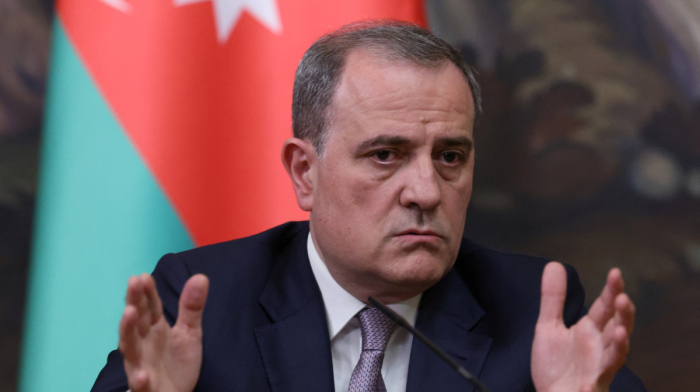
Azerbaijan’s Foreign Minister Jeyhun Bayramov has called for further integration of infrastructure between regional countries to bolster the Middle Corridor trade and logistics network.
The Saudi-led coalition says it has carried out a series of military operations against Houthi targets in Yemen after attacks on two Saudi airports left three people dead and dozens injured.
You can download the AnewZ application from Play Store and the App Store.




What is your opinion on this topic?
Leave the first comment