Centuries-old palaces and mosques in Isfahan, Iran’s celebrated cultural capital, lie in ruins after a series of air raids struck the city’s historic centre, leaving officials to warn of a devastating loss to both national and global heritage. AnewZ’s Touraj Shiralilou visited the city.
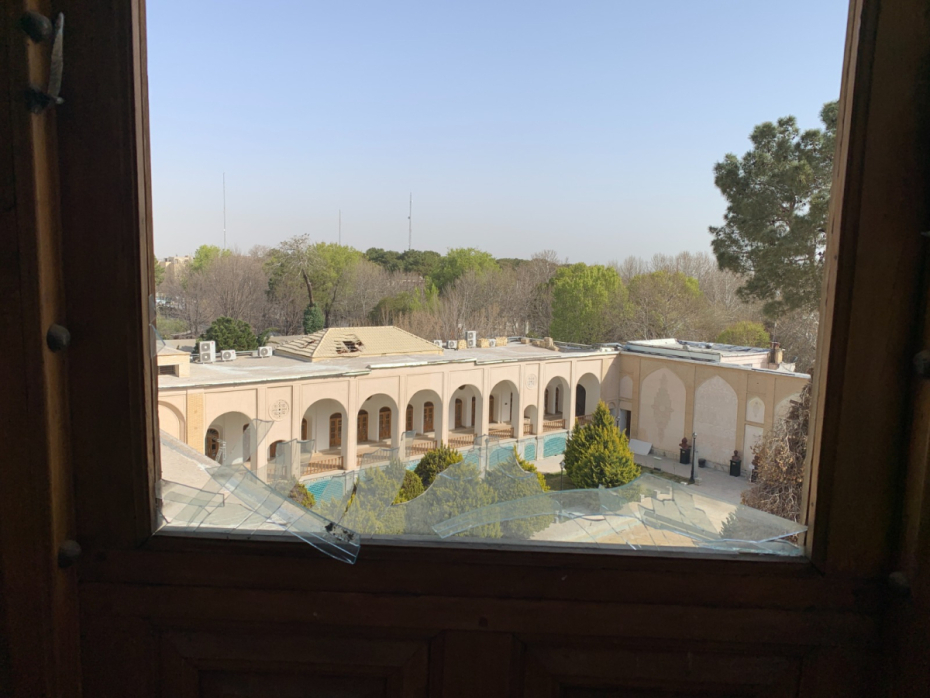
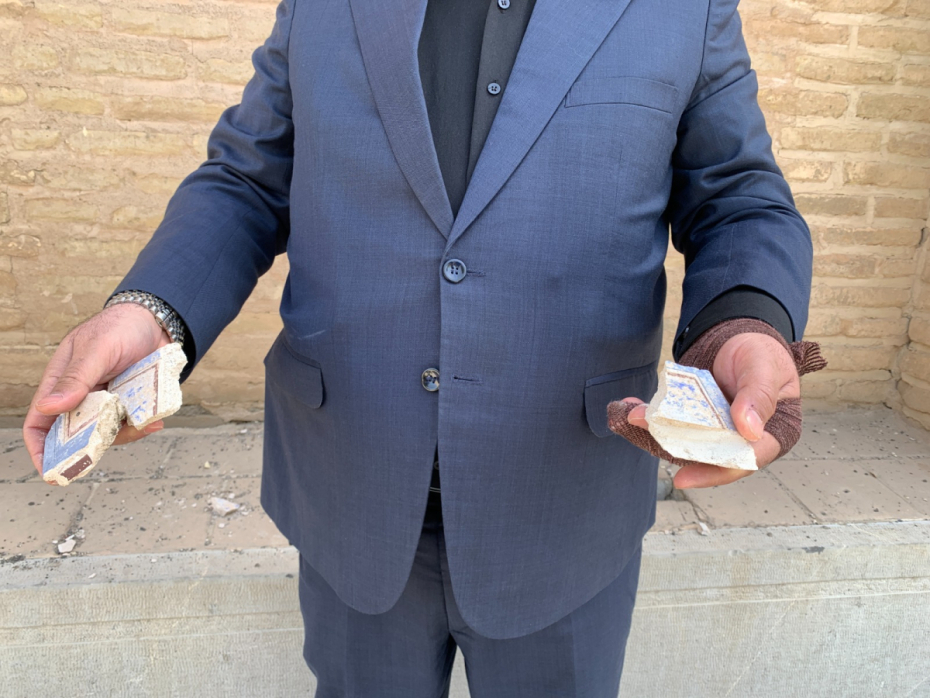
Ishfahan's historic old quarter has been left in ruins following intense air raids that targeted government buildings and nearby heritage sites.
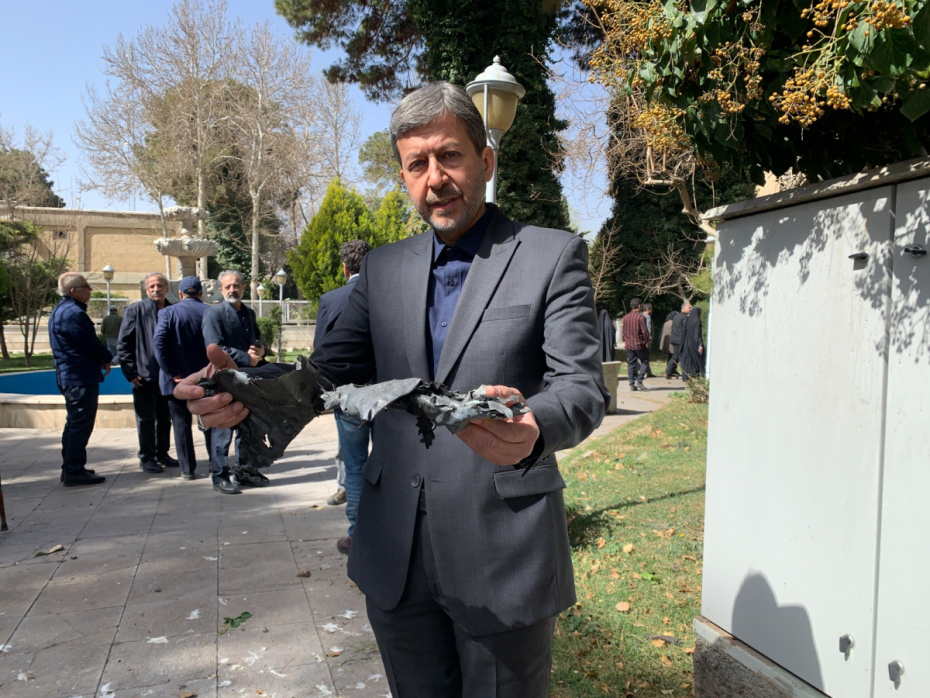
Governor-General Mehdi Jamalinejad described the damage as catastrophic, with preliminary estimates placing losses at between $200 million and $300 million. Iconic landmarks, including Chehel Sotun Palace (Forty Column Palace) and sections of the Imam Mosque in the famed Naqsh-e Jahan Square, have been seriously damaged.
“It is with a heavy heart that I stand beside what remains of Chehel Sotun,” Jamalinejad told AnewZ in an exclusive interview. “These sites are not merely national treasures - they are part of the heritage of humanity itself.” He criticised international organisations for remaining silent on what he described as deliberate attacks on protected cultural sites.
Iranian officials allege that detailed information about Isfahan’s monuments had been shared with foreign governments in advance, as part of formal coordination intended to prevent harm. They argue that this information was disregarded in the planning of the strikes.
Foreign Ministry spokesman Esmail Baghaei condemned the attacks on the city’s cultural capital as “an aggression against the civilisational heritage of humanity.” He also referenced last week’s damage to Golestan Palace near Tehran’s historic bazaar, calling it part of a worrying pattern of disregard for Iran’s cultural heritage.
Meanwhile, the broader conflict shows no sign of abating. Iran held official funeral processions today for senior military commanders killed during the ongoing U.S.–Israeli campaign, attended by high-ranking clerics and state officials.
In a dramatic development, Ayatollah Mojtaba Khamenei was announced as the nation’s third leader following the delayed burial of his father, former Supreme Leader Ayatollah Ali Khamenei, which had been postponed for security reasons.
The Iranian Revolutionary Guards issued a mobile message claiming that Iranian attacks on U.S. and Israeli interests in the region have caused more than $25 billion in losses, highlighting tensions between Washington and some of its European allies over the campaign.
As the conflict enters its 12th day, the destruction of sites such as Chehel Sotun, the Imam Mosque, and Golestan Palace is seen not only as a national tragedy but as a profound loss to global cultural heritage.











What is your opinion on this topic?
Leave the first comment